ITC Blog Posts
Catch up with the ITC
From event highlights to member spotlights, these articles showcase the people powering Idaho tech.
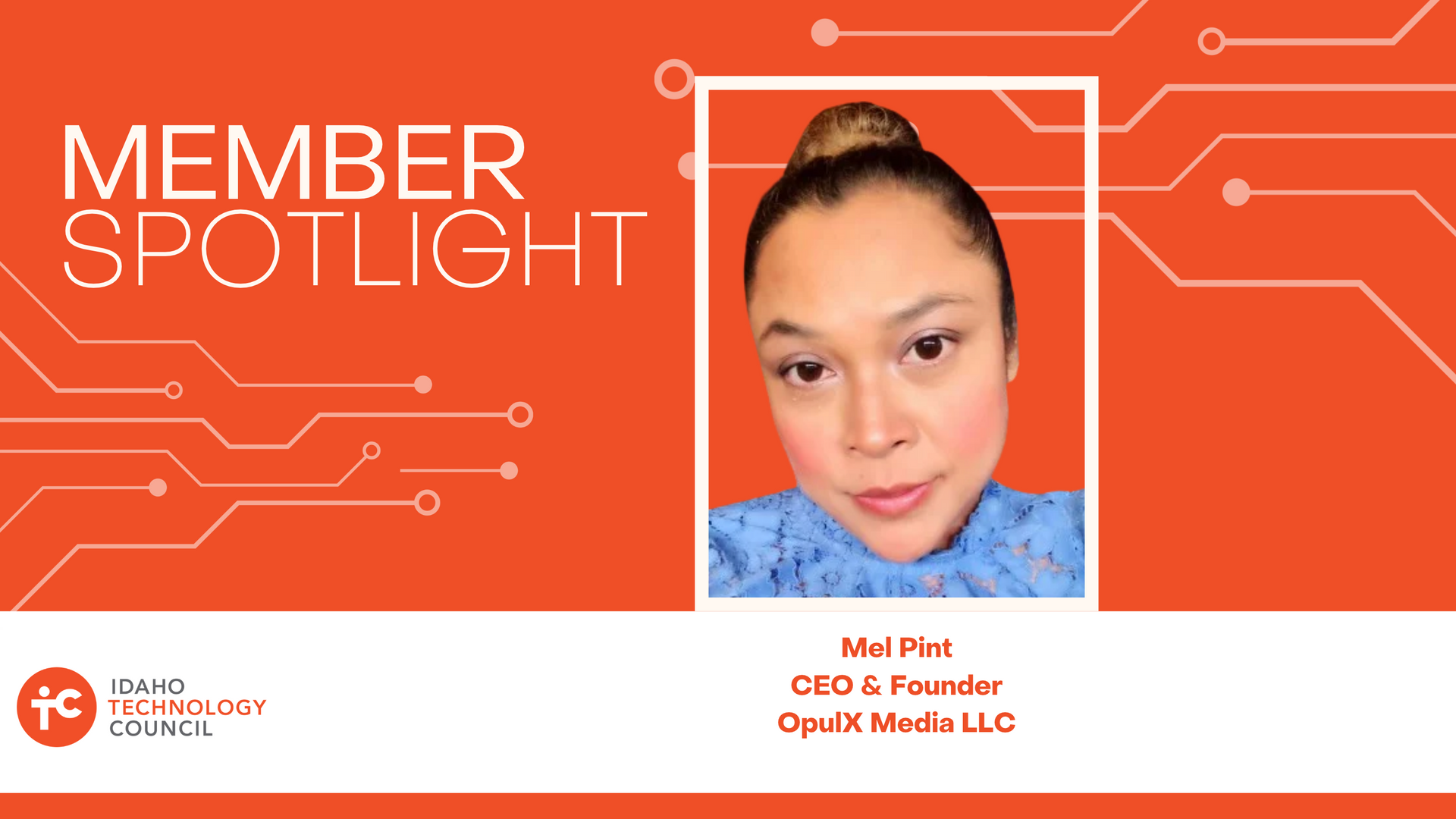
Introducing: Mel Pint, Founder & CEO, OpulX Media LLC Describe the business/organization you work for: OpulX Media LLC is an Idaho-registered live events company and a sister company of OpulenceX Inc., the marketplace where artists sell their work and keep earning royalties when it resells. OpulX Media produces art, fashion and technology showcases built around augmented reality and digital collectibles. Our first production is The Digital Loom: Intersecting Realities at Boise Centre on November 14, 2026: an AR runway, an exhibition of international artists whose every work is registered as a digital twin, and a free afternoon built around The Loom Youth Prize, a statewide art competition for Idaho kids and teens. It is planned as an annual Boise event, with a Honolulu edition in April 2027. What inspired you to start your own business, or why did you decide to work for this specific organization? I watched artists sell a piece once and never see another dollar from it, while the technology that fixes that already existed and nobody was putting it in front of the people who make things. OpulenceX Inc built the tools. OpulX Media exists because tools alone do not change anything; a room full of people watching a garment come alive through their own phone, standing next to a painting a nine-year-old made, does. Boise has a technology community, an arts community and a fashion community, and they rarely stand in the same room. I wanted to build the night where they do. What sets this business apart from others in the industry? Most media companies build audiences and rent them to advertisers. We build a creator economy and stand inside it with the creators. What challenges have you faced as a business owner or employee, and how did you overcome them? Being new. A first-year event with a technology company behind it has to earn standing in the arts community before anyone will put their name next to it. We did that the slow way: a venue contract before any letter went out, a judged youth prize with real cash and real exhibition space, terms for artists that put 70% of every sale in their hands. Joining the Idaho Technology Council was part of the same answer: be inside the community before asking anything of it. What advice would you give to someone looking to join your industry? Decide what you will not do before you decide what you will. Then find the person in your community who has done the hard part for years and ask them how, before you tell them what you are building. About the Idaho Technology Council The Idaho Technology Council (ITC) is a member-based organization that champions innovation and collaboration to grow Idaho’s economy through technology. Representing a dynamic and growing community of entrepreneurs, industry leaders, and policymakers, ITC connects vision with action to position Idaho as a hub for innovation and opportunity. Learn more at www.idahotechcouncil.org . Connect with Mel Pint on LinkedIn HERE Learn More about OpulX Media HERE
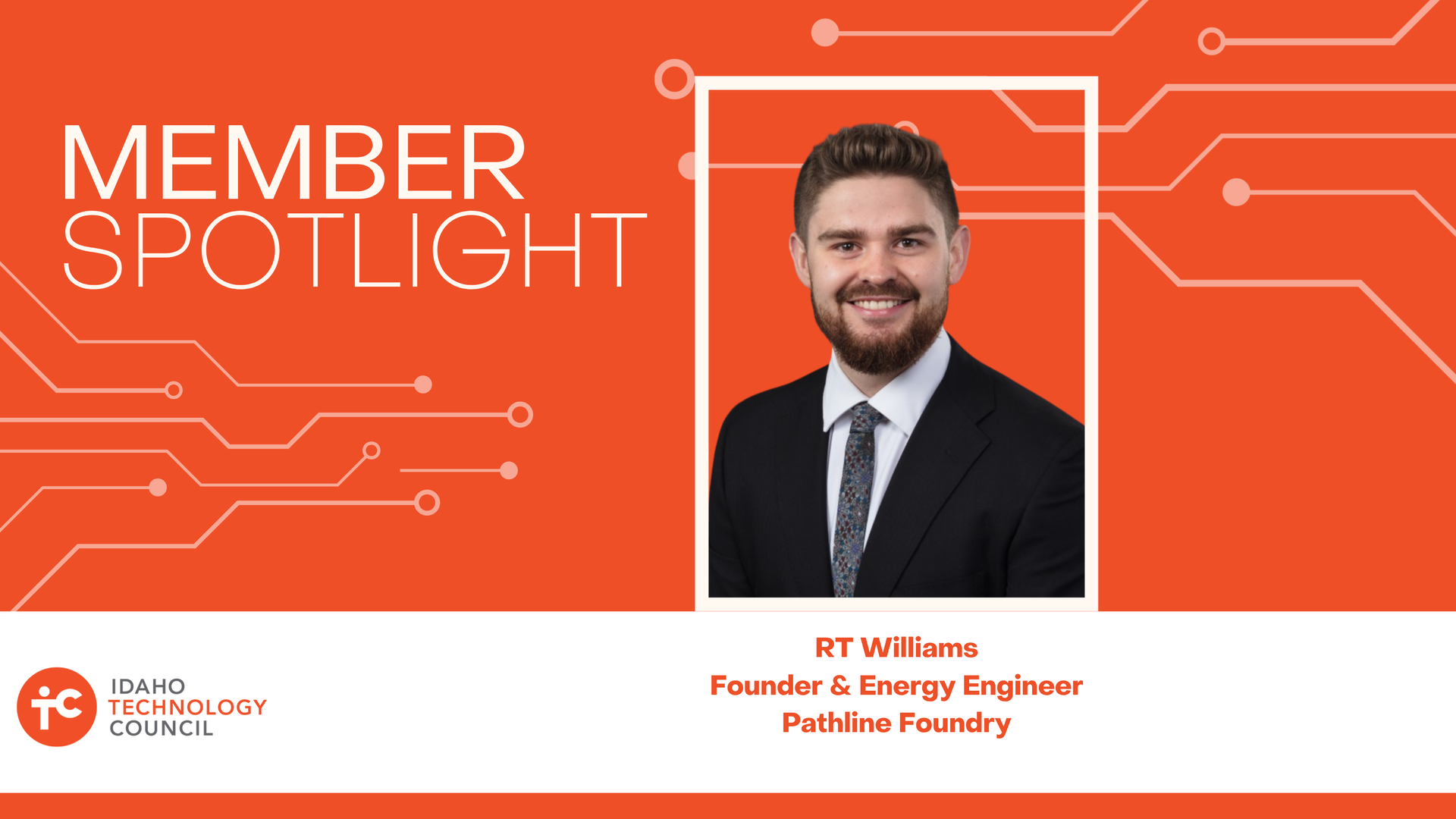
Introducing: RT Williams, Founder & Energy Engineer, Pathline Foundry Describe the business/organization you work for: Pathline Foundry is an independent energy consulting and software firm in Meridian, Idaho. I run the gamut from benchmarking and energy audits to custom software for energy strategy, management, and optimization. It's a niche offering that's widely applicable across many industries. One engineer, start to finish. See where your energy is going, so you can make a smarter decision about where it goes next. What inspired you to start your own business, or why did you decide to work for this specific organization? I want to be the person who stays and partners with those who need it most. I've been doing energy engineering since 2017, and I've kept seeing the same pattern. A building gets an audit report, the report goes on a shelf, and nothing changes. Pathline Foundry grew out of that pattern, and I build software for the same reason: the findings need somewhere to live once the engagement is over, or they end up back on the shelf. Energy gets treated as a fixed cost, a line on the bill you can't do anything about. It isn't. There's real money sitting in waste and inefficiency, and most of the people who could act on it have no spare bandwidth and limited technical staff. I wanted to make that easy to see and easy to act on. What sets this business apart from others in the industry? There's no sales team and no handoff to a junior analyst. You talk to the person doing the engineering, and that same person is still there when it comes time to implement. I build the software side myself too, so the analysis, the modeling, and the tools a client ends up using all come from one place. Where it fits, I take a share of the savings instead of a flat fee, so the work is built to pay for itself. I'm a PhD engineer and a Certified Energy Manager. I write the work so a decision-maker can understand it and an engineer can act on it. What challenges have you faced as a business owner or employee, and how did you overcome them? Starting a business in a state where nobody knows you is a slow problem, and there's no clever fix for it. My family and I moved here in 2025, and I spent a lot of that first year in rooms where I knew one person, or none. What surprised me is that it made the actual work better. I used to lead with what I found in a building. Now I ask what somebody is trying to decide first, because a room full of strangers teaches you quickly that nobody cares what you know until they know why it matters to them. That turns out to be most of the job. Idaho has been more welcoming than I expected. Almost everything I've built here started with someone making an introduction, and I look forward to growing my work to support the community that made room for me. What advice would you give to someone looking to join your industry? Go into the buildings. You can learn modeling and software anywhere, but you can't learn how a facility actually runs from a spreadsheet. Spend time with the people who operate it. They'll tell you things no data set contains, and more often than not, they already know where the waste is. About the Idaho Technology Council The Idaho Technology Council (ITC) is a member-based organization that champions innovation and collaboration to grow Idaho’s economy through technology. Representing a dynamic and growing community of entrepreneurs, industry leaders, and policymakers, ITC connects vision with action to position Idaho as a hub for innovation and opportunity. Learn more at www.idahotechcouncil.org . Connect with RT Williams on LinkedIn HERE Learn More about Pathline Foundry HERE

Idaho Technology Council Announces 2026 Hall of Fame Inductees, Idavation™ Award Finalists and Keynote Speaker Gary Sorrentino, CIO, Zoom
ITC partners with Coeur d'Alene Regional Chamber to host iTECH Summit Inland Northwest
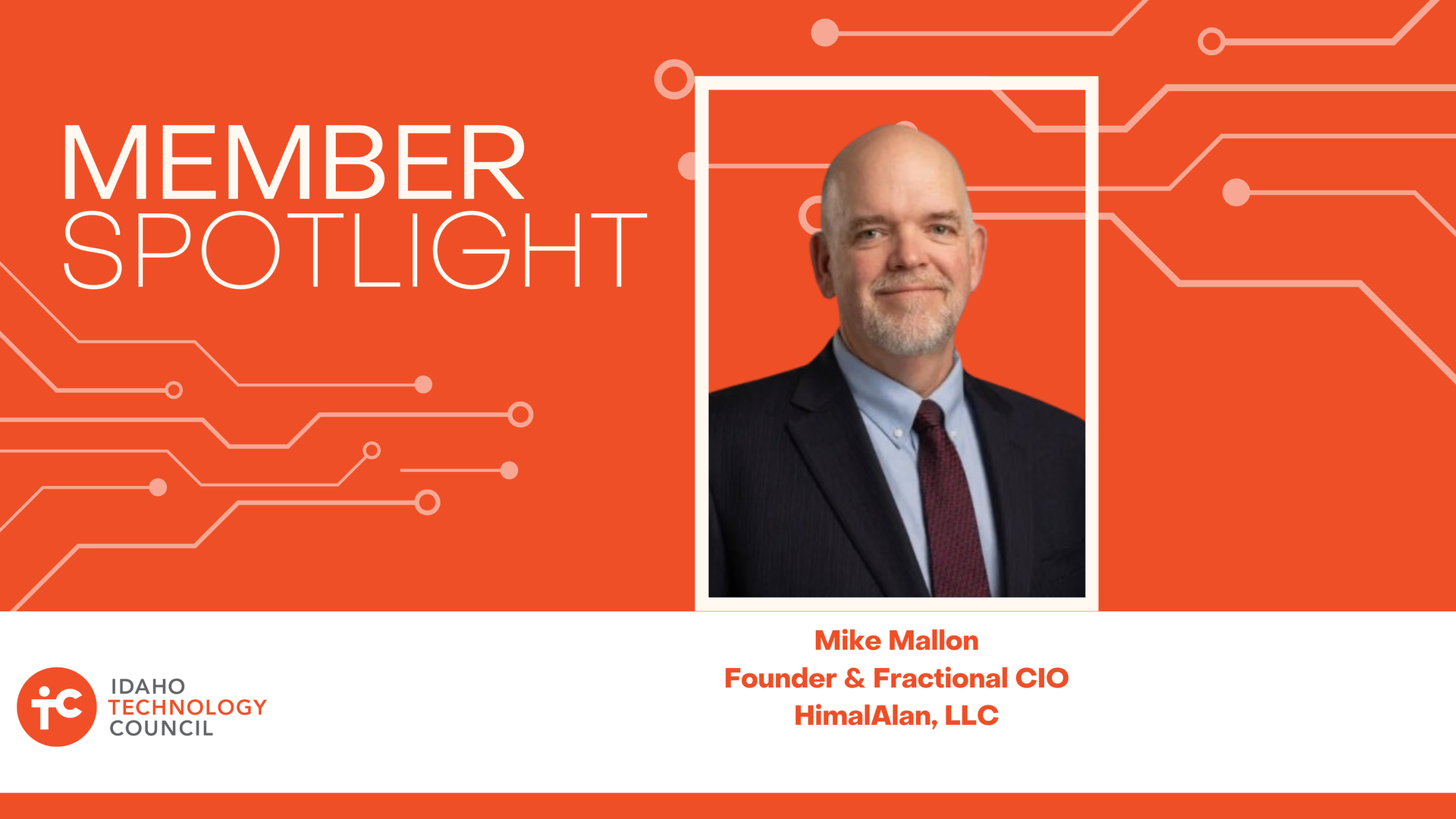
Introducing: Mike Mallon, Founder & Fractional CIO, HimalAlan, LLC Describe the business/organization you work for: HimalAIan LLC is a Meridian, Idaho startup building CrAIg™, enterprise middleware that governs AI activity across multiple systems. As companies deploy more AI agents, those agents increasingly step on each other's decisions without anyone noticing until real damage is done. CrAIg detects those conflicts before they execute and gives leaders a way to see and stop the cost before it lands. What inspired you to start your own business, or why did you decide to work for this specific organization? After 20+ years in enterprise technology leadership, including serving as CIO for a major West Coast seafood distributor, I saw the gap firsthand: every AI tool a company adopts is built to optimize its own corner of the business, but nothing is built to watch the space between them. That gap is where real financial exposure hides, and I started HimalAIan to close it What sets this business apart from others in the industry? Most AI governance tools compete with the AI systems already in place. CrAIg doesn't. Our positioning is "Not competing. Completing." We sit in the space between existing systems and catch the collisions no single tool is built to see. What challenges have you faced as a business owner or employee, and how did you overcome them? The biggest challenge has been building everything solo. Engineering, fundraising, patent strategy, business development, all of it, at once, without a team to share the load. I've overcome it the same way I'd tell any operator to handle a hard problem: break it into pieces that can each be moved forward independently, prioritize ruthlessly, and use every relationship and resource available rather than trying to do it all in isolation. What advice would you give to someone looking to join your industry? Don't wait for the market to hand you permission. If you've spent years watching a problem from the inside, the way I watched it from my experience in enterprise systems and technology, trust that domain knowledge enough to act on it. The technical build is hard, but it's rarely the hardest part. The harder part is staying in motion on funding, partnerships, and structure every single day, even when the feedback is slow or silent. About the Idaho Technology Council The Idaho Technology Council (ITC) is a member-based organization that champions innovation and collaboration to grow Idaho’s economy through technology. Representing a dynamic and growing community of entrepreneurs, industry leaders, and policymakers, ITC connects vision with action to position Idaho as a hub for innovation and opportunity. Learn more at www.idahotechcouncil.org . Connect with HimalAlan, LLC on LinkedIn HERE Learn More about HimalAlan, LLC HERE
Protecting Yourself from Artificial Intelligence (AI)-Powered Imposter Scams – Tips from KeyBank
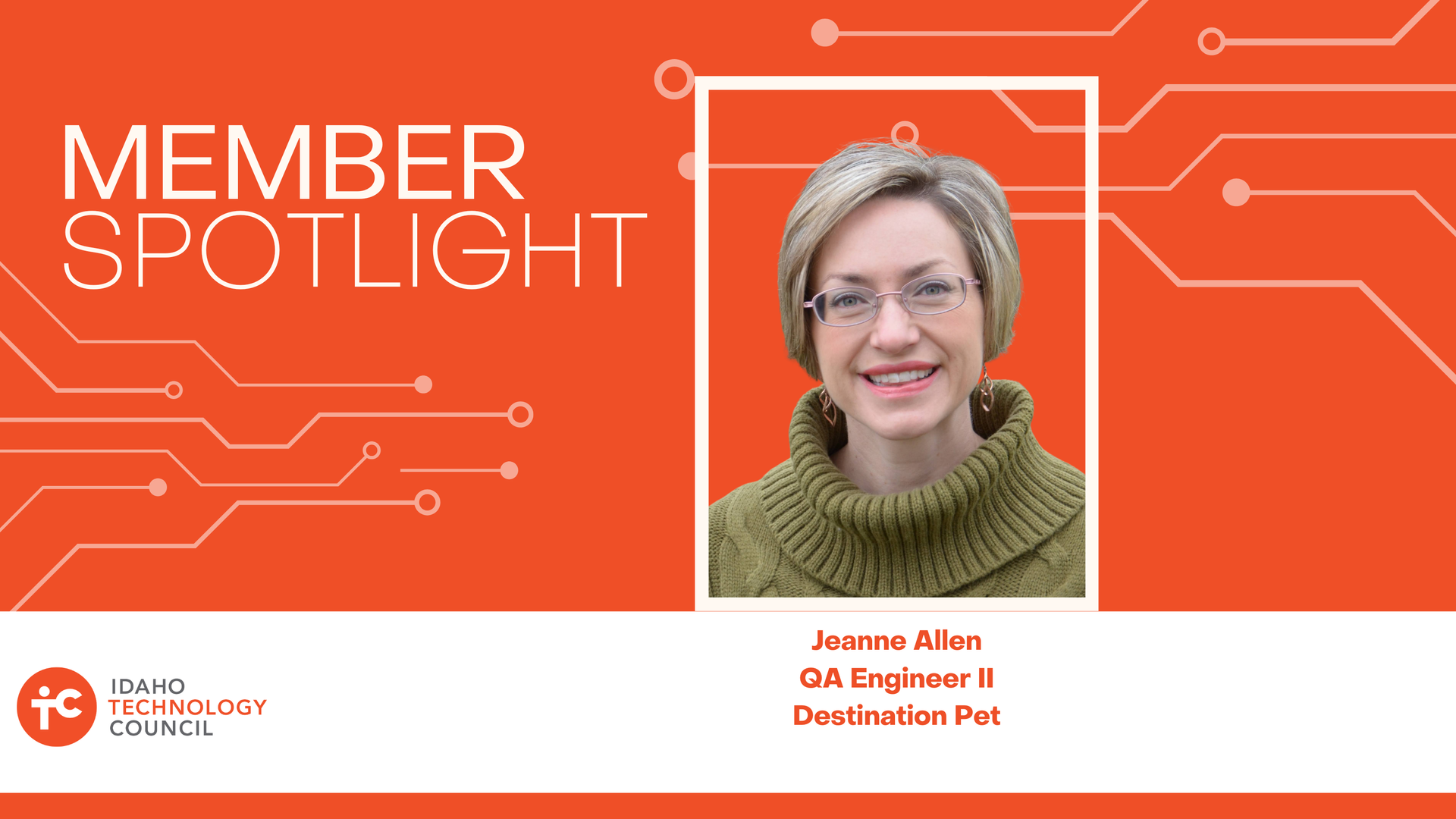
Introducing: Jeanne Allen, QA Engineer II, Destination Pet Describe the business/organization you work for: Destination Pet is a company that provides pet services like boarding, daycare, house sitting, and dog walking and grooming. I work on the Yourgi app, which is the online portal for booking appointments for your pets. What inspired you to start your own business, or why did you decide to work for this specific organization? I decided to work for Destination Pet because the team there is incredible, and I felt like I could make a difference and help the company grow. What sets this business apart from others in the industry? They really care about their customers and try to make every pet service something to remember. What challenges have you faced as a business owner or employee, and how did you overcome them? Working for a tech startup can be hard because the infrastructure isn't set up for development. I enjoy helping set up this infrastructure, so I'm working with the team to make their processes more efficient and enhance communication across teams. What advice would you give to someone looking to join your industry? Be curious and excited to learn. With QA, software development, and devops, there's so much to learn, and being curious is an essential part of the job. About the Idaho Technology Council The Idaho Technology Council (ITC) is a member-based organization that champions innovation and collaboration to grow Idaho’s economy through technology. Representing a dynamic and growing community of entrepreneurs, industry leaders, and policymakers, ITC connects vision with action to position Idaho as a hub for innovation and opportunity. Learn more at www.idahotechcouncil.org . Connect with Jeanne on LinkedIn HERE Check out Destination Pet HERE
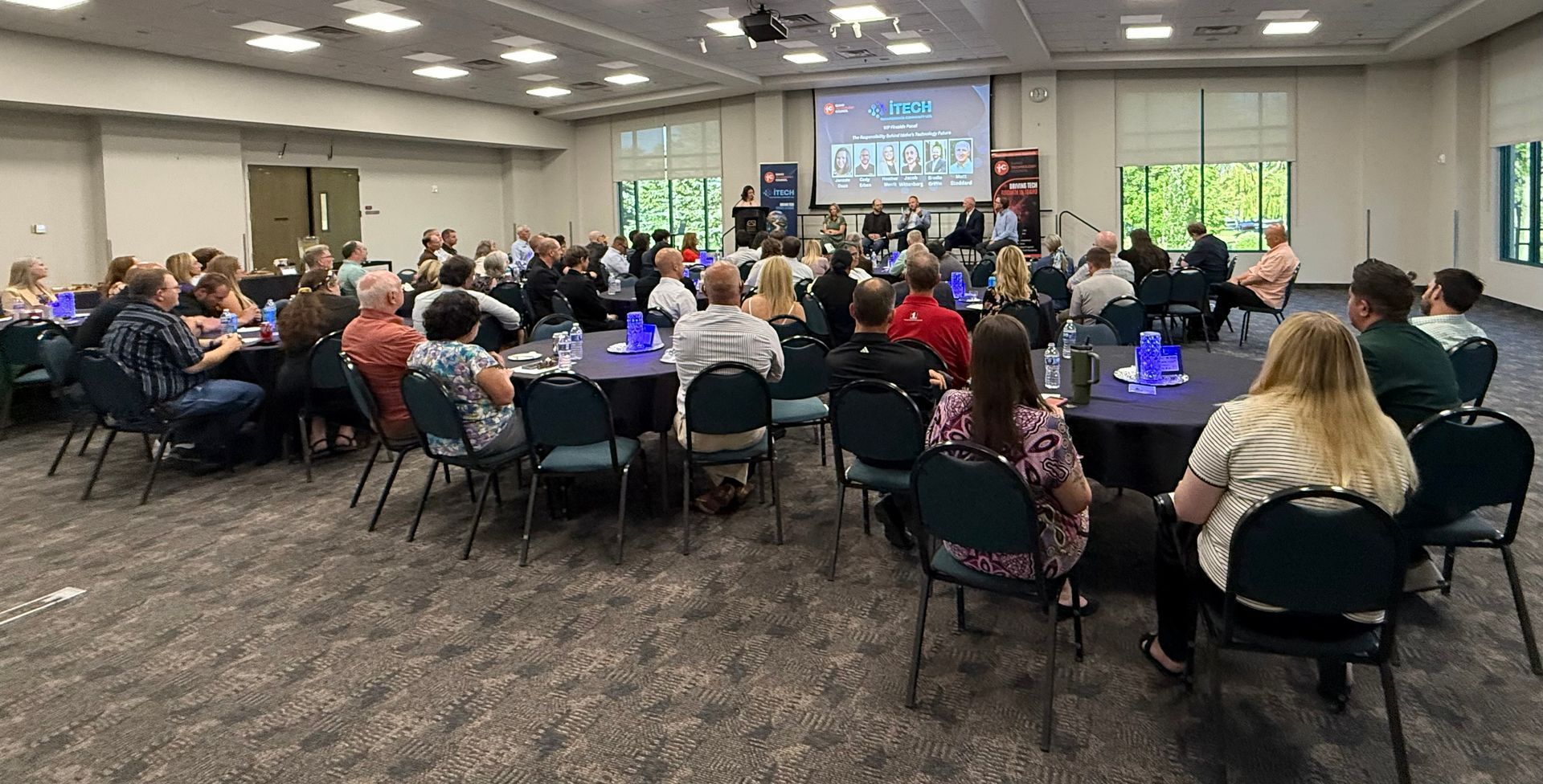
Two-day summit at the College of Southern Idaho unites regional leaders, entrepreneurs, and innovators around the theme Tech Powered. Community Led. — marking the Idaho Technology Council's first major event in South Central Idaho.
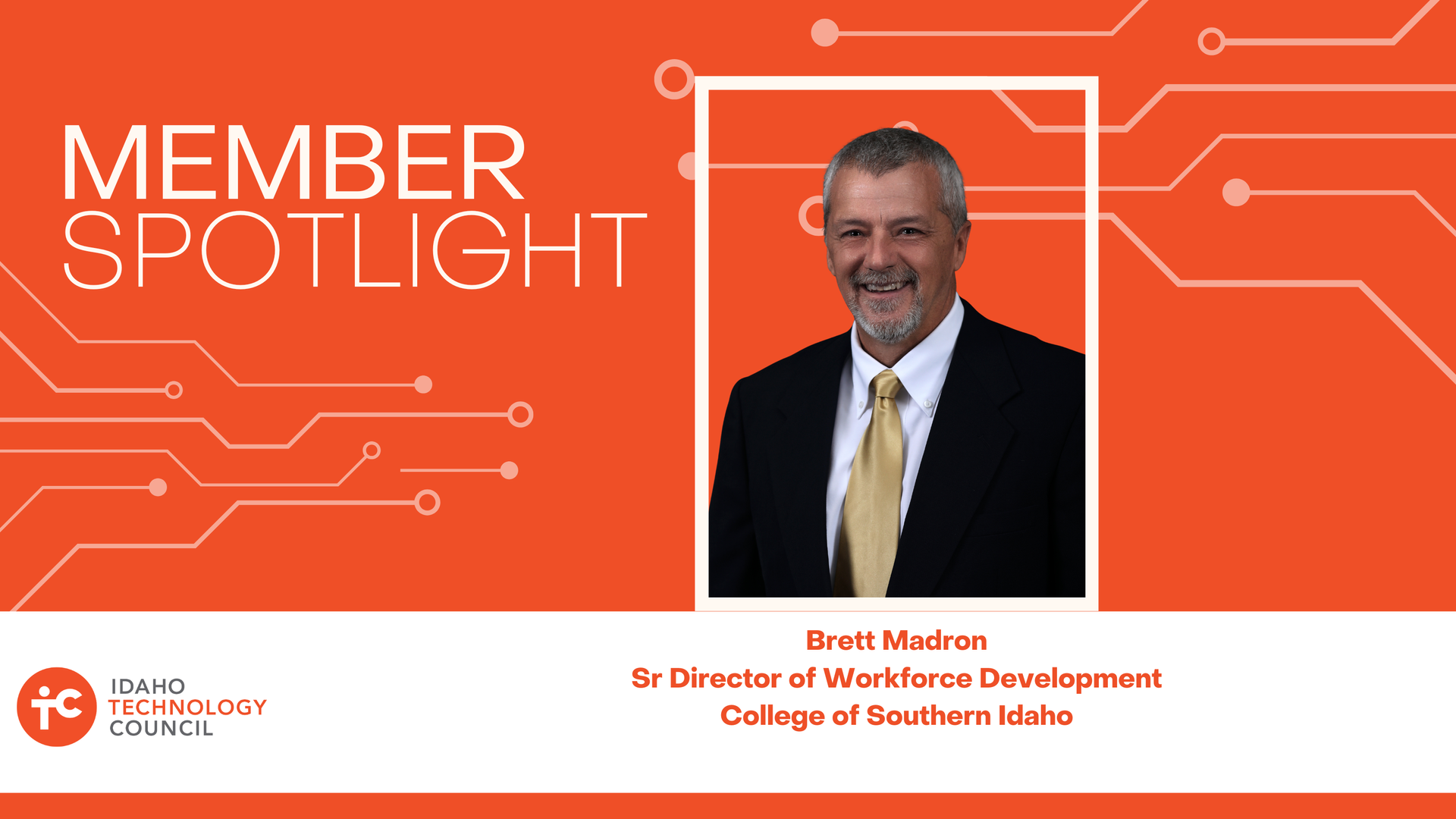
Introducing: Brett Madron, Sr Director of Workforce Development, CSI Describe the business/organization you work for: College of Southern Idaho Workforce Development and Training helps people and businesses build real-world skills that lead to real opportunities. As part of the College of Southern Idaho, the team works closely with employers to offer hands-on training, customized programs, and apprenticeships across areas like manufacturing, healthcare, trades, safety, technology, and professional development. Whether you’re an individual looking to grow your career or a company building your workforce, CSI offers practical, local training designed to meet today’s workforce needs right here in the Magic Valley. What inspired you to start your own business, or why did you decide to work for this specific organization? Joining the CSI Workforce Development and Training department was a meaningful homecoming. My wife and I were both born and raised in Twin Falls, and as a graduate of both the College of Southern Idaho and the University of Idaho, returning to serve this community was always a goal of mine. With both of our families here, the timing was finally right to move home. After spending a brief period working remotely as a data analyst and strategic partner for Idaho Forest Group, the opportunity to lead CSI’s Workforce Development Department opened, and I jumped on board. This role allows me to apply my education and experience in engineering and manufacturing to help other companies grow and be successful. What sets this business apart from others in the industry? What sets CSI Workforce Development and Training apart is its deep connection to industry and real-world operations. My background in local food processing, lumber production, and semiconductor manufacturing brings a practical, firsthand perspective to workforce training. Having worked inside these environments—including advanced manufacturing and high-tech operations—I understand the challenges companies face as they modernize and adopt new technologies. That experience allows CSI to serve as more than a training provider; we act as a strategic partner, helping local employers upskill their workforce in ways that are practical, relevant, and aligned with where their industries are headed. What challenges have you faced as a business owner or employee, and how did you overcome them? The challenges I’ve experienced leading the Workforce Development Department at CSI have been minimal, largely because I inherited a strong team with a clear, well-defined mission. As a lifelong learner and non-traditional student, I deeply value a broad and applied education, and that perspective shapes how I approach this work. Throughout my career, I’ve had the opportunity to work alongside exceptional tradespeople, engineers, and organizational leaders, learning something valuable from each of them. It’s especially rewarding to now help others recognize the importance of lifelong learning across all disciplines and to see how continued education can open new doors for individuals and strengthen the workforce as a whole. What advice would you give to someone looking to join your industry? For anyone considering a career in higher education or workforce development, my advice is to focus on the impact. The most meaningful rewards come from seeing people grow—watching an apprentice walk across the stage to cheers and tears, or seeing someone return to their job with new skills, greater confidence, and access to higher responsibility and pay. Helping individuals advance in their careers and lives is incredibly fulfilling, and it’s a constant reminder that this work truly matters. About the Idaho Technology Council The Idaho Technology Council (ITC) is a member-based organization that champions innovation and collaboration to grow Idaho’s economy through technology. Representing a dynamic and growing community of entrepreneurs, industry leaders, and policymakers, ITC connects vision with action to position Idaho as a hub for innovation and opportunity. Learn more at www.idahotechcouncil.org . Connect with Brett on LinkedIn HERE Check out College of Southern Idaho HERE
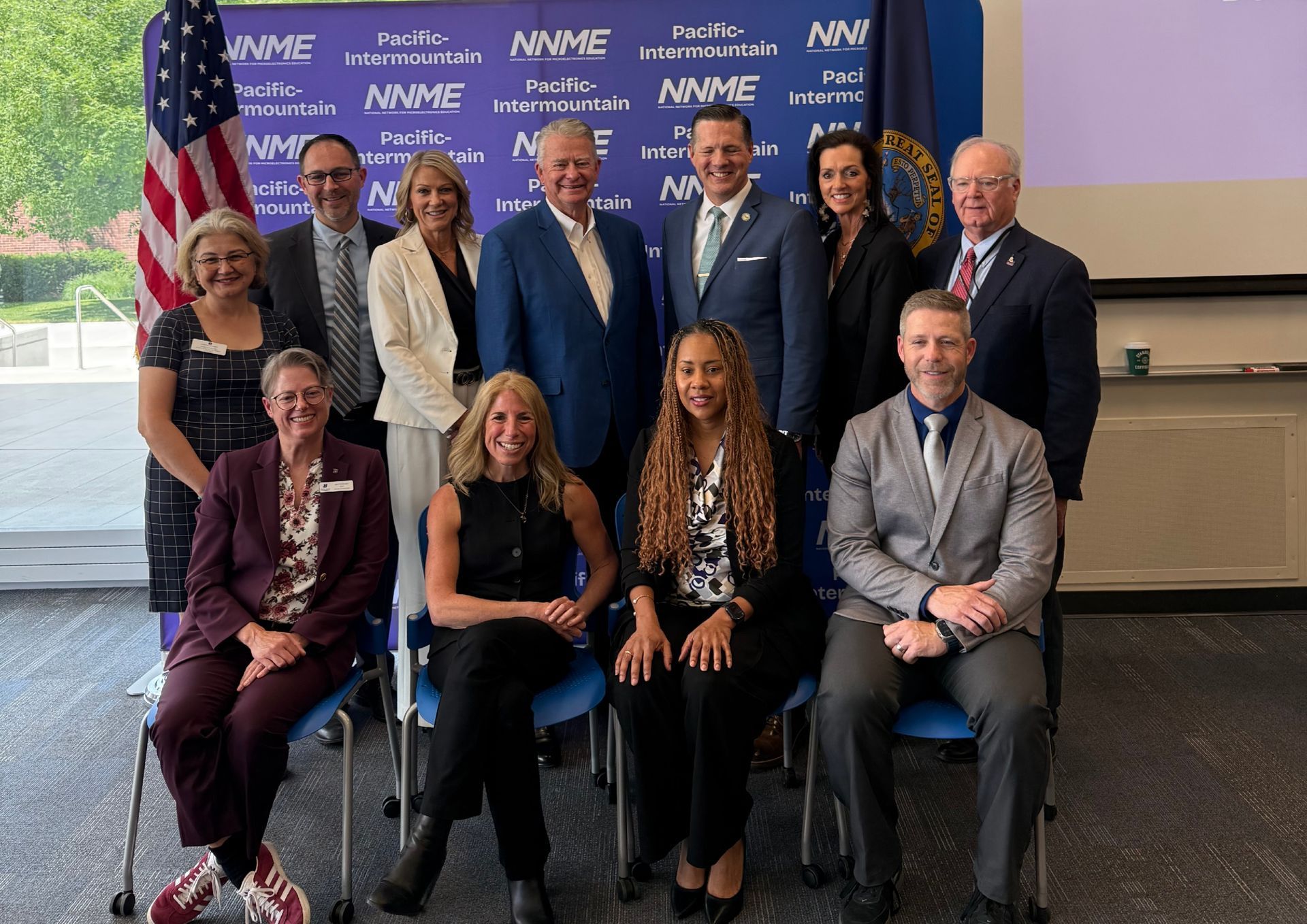

About the Idaho Technology Council The Idaho Technology Council has a mission to build a strong tech community in Idaho by bringing people together, supporting tech education, and advocating for policies that promote sustainable growth. Together, we’re making Idaho a top destination for technology and innovation. The Idaho Technology Council is a membership organization committed to increasing awareness of a thriving technology ecosystem statewide. We are dedicated to fostering an innovative tech community in Idaho by acting as a catalyst that brings together leaders, drives collaboration across all industries, and advocates for tech growth. As a nucleus of thought leaders, innovation, and tech advocacy, we empower government, industry, and reinvestment. Our mission is to position Idaho as a premier tech destination by attracting tech companies and talent, driving educational support and policy, convening tech leadership, and initiating conversations on emerging topics.
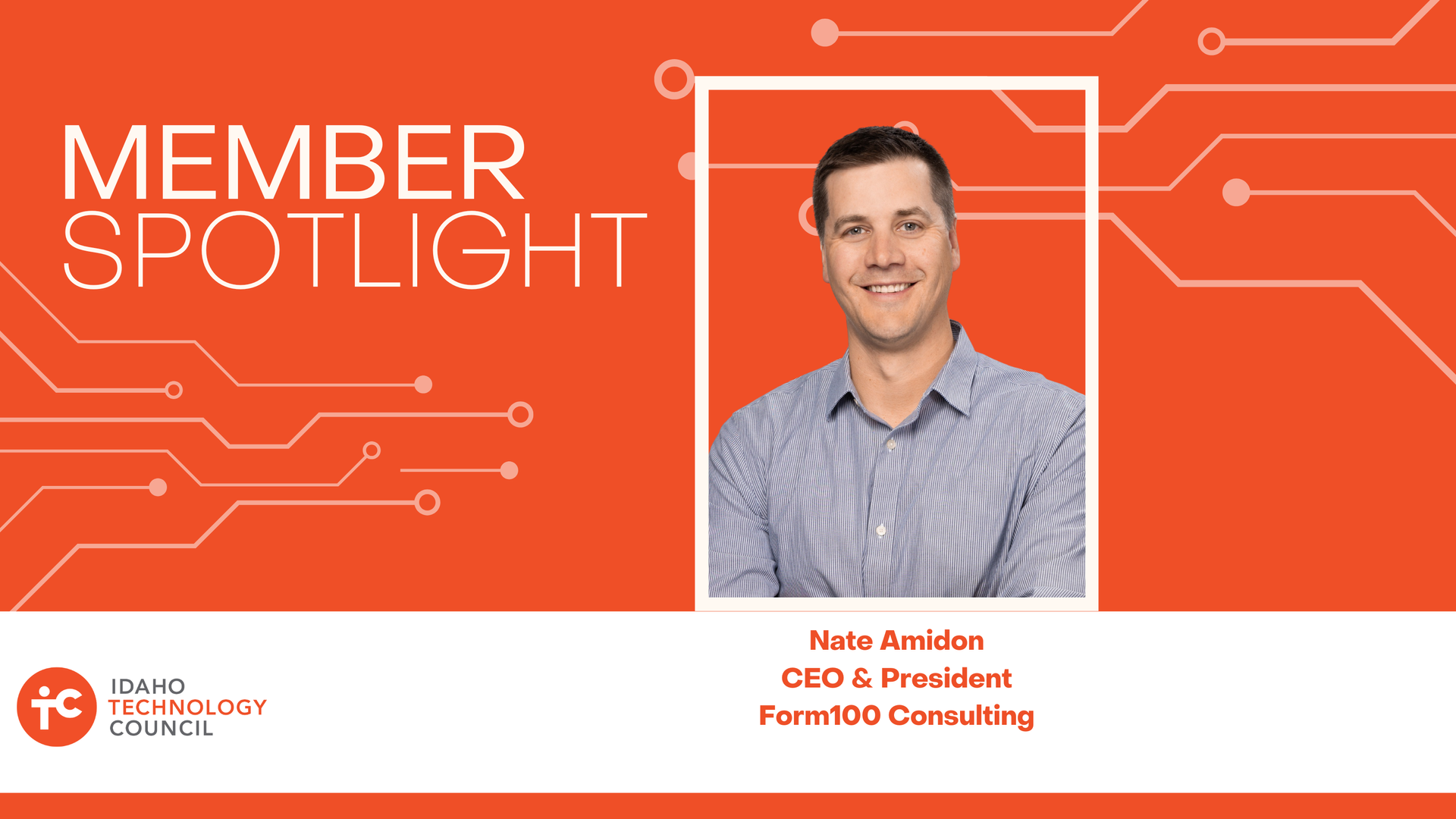
Introducing: Nate Amidon, CEO & President, Form100 Consulting Describe the business/organization you work for: Form100 Consulting is a specialized staffing and execution partner for technology leaders running complex programs. We embed top military talent into technology teams to deliver clarity, accountability, and predictable outcomes. What inspired you to start your own business, or why did you decide to work for this specific organization? I saw a gap in software development and technology program management in the industry. Programs were struggling to communicate, stay aligned, and deliver value. I wanted to match that need with an untapped talent pool of former military leaders who have experience leading in dynamic domains. What sets this business apart from others in the industry? We are not a traditional staffing and consulting firm. Most staffing firms provide capacity while most consultancies provide recommendations. Form100 Consulting is a specialized staffing firm that does both. We provide clients with leaders who have leadership training and experience gained in the military. They seamlessly integrate with our client's team, supported by extensive industry experience, a disciplined methodology and established systems. We work together as a team to drive alignment, clarity, and implement the right processes to deliver value. What challenges have you faced as a business owner or employee, and how did you overcome them? The market is crowded and getting your message out was a challenge. Finding the right type of clients and finding a way to communicate our unique value proposition took time...and a lot of effort. We just kept going, meeting more people, and trying to find ways to provide value. What advice would you give to someone looking to join your industry? Focus on delivery and make sure you exceed your client's expectations. We believe in servant leadership and take pride in partnering with our clients to do whatever is needed to drive value through the system. About the Idaho Technology Council The Idaho Technology Council (ITC) is a member-based organization that champions innovation and collaboration to grow Idaho’s economy through technology. Representing a dynamic and growing community of entrepreneurs, industry leaders, and policymakers, ITC connects vision with action to position Idaho as a hub for innovation and opportunity. Learn more at www.idahotechcouncil.org . Connect with Nate on LinkedIn HERE Check out Form100 Consulting HERE