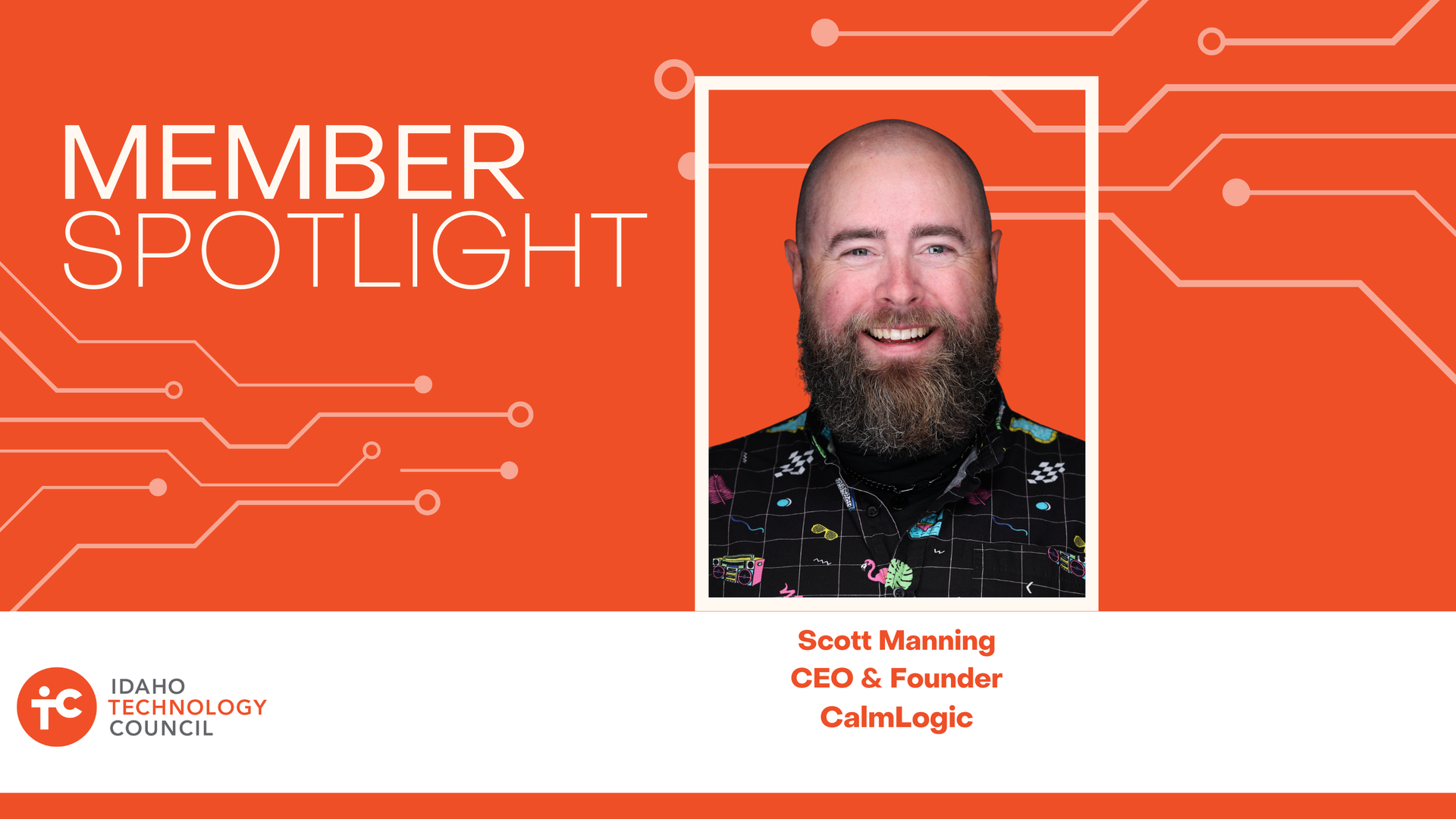
Introducing: Scott Manning, CEO & Founder, CalmLogic
Describe the business/organization you work for:
For too long, IT and other high-pressure professionals have grappled with stereotypes of poor communication and lacking emotional regulation, often leading to burnout, health challenges, and unhealthy coping mechanisms. At CalmLogic, I teach you to engineer your internal emotional network with the same logic you apply in your craft. Just using a different tool set. Our corporate workshops, event services, breathwork sessions, and retreats provide the education and experiences necessary to cultivate emotional intelligence, empowering professionals to navigate stress effectively and become their best, most resilient selves.
What inspired you to start your own business, or why did you decide to work for this specific organization?
After years in the industry accumulating lots of certs and climbing the ladder in many different roles, I noticed some unhealthy trends in myself and my colleagues. High levels of burnout, stress, poor work/life balance, and poor communication skills. This led to unhealthy coping mechanisms, most commonly just numbing ourselves. The method of numbing is different for many, but common ones were alcohol, cannabis, video games, doom scrolling, binge watching TV/movies, hiding in our home labs, hyper-focusing on work, etc.
I eventually couldn't sustain the cycle and hit the bottom - job on the line due to lack of motivation, marriage on the fence from constant numbing, dark thoughts, health issues creeping in, and depression. Climbing out of that hole, with the help of my therapist and coach, I found a better way to face life's challenges than numbing. It was to actually face and feel everything that was coming up. Scary, right!
Being logically minded, I needed to understand how those emotions worked and why they snuck up on me when they did. This led me to the world of Emotional Intelligence and mindfulness. I realized I could work through my emotional and mental health struggles using some of the same methods I used in my day job. I could troubleshoot my internal network, find the root causes of the issues, escalate when necessary, and make the necessary changes to fix it. I just needed to learn how to use this different set of tools.
Now I spend my days teaching other professionals how to use those evidence-based tools along with science-backed education to reframe how you view your internal world. I want to share what I've learned with other IT, and non IT, professionals in hopes that maybe they can change course before hitting the bottom like I did.
What sets this business apart from others in the industry?
The difference between CalmLogic and other emotional intelligence or mindfulness companies is in experience. I come from 20 years of experience in the IT space. Specifically in the networking and Wi-Fi world. I have seen and lived first hand many of the stresses, pressures, and unhealthy patterns that are accepted as normal in the industry. I can speak your language and relate to your experience, because there is a really good chance I've been there too.
What challenges have you faced as a business owner or employee, and how did you overcome them?
The biggest challenge is convincing other companies that this is a problem that is worth addressing. Many recognize and see the issues and patterns, but for some reason refuse to work on them and instead accept the "this is just how it is" mentality. Watching your employees, coworkers, or even yourself struggle with mental health issues, burnout, and overwhelm is not normal and can be addressed directly. You just have to be willing to say yes.
What advice would you give to someone looking to join your industry?
The IT industry is a fascinating place. It is equally the fastest growing industry while also one of the industries with jobs most under threat from AI. My advice would be to jump into the space knowing you will likely need to pivot and learn new skills or technology quickly to stay relevant. Don't assume you'll be doing the same thing even a few years down the road. Be an observer of the industry and watch the waves form that you can jump on to propel yourself further.
About the Idaho Technology Council
The Idaho Technology Council (ITC) is a member-based organization that champions innovation and collaboration to grow Idaho’s economy through technology. Representing a dynamic and growing community of entrepreneurs, industry leaders, and policymakers, ITC connects vision with action to position Idaho as a hub for innovation and opportunity. Learn more at www.idahotechcouncil.org.
Connect with Scott on LinkedIn HERE
Check out CalmLogic HERE