PRESS RELEASE
Idaho Delegation Completes Historic Trade Mission to Taiwan, Advancing Semiconductor Workforce Development and International Business Partnerships
Multi-institutional delegation explores Taiwan's science park model, semiconductor workforce training, and entrepreneurial opportunities as Idaho celebrates the 40th anniversary of the Idaho–Taiwan Sister State relationship
BOISE, Idaho
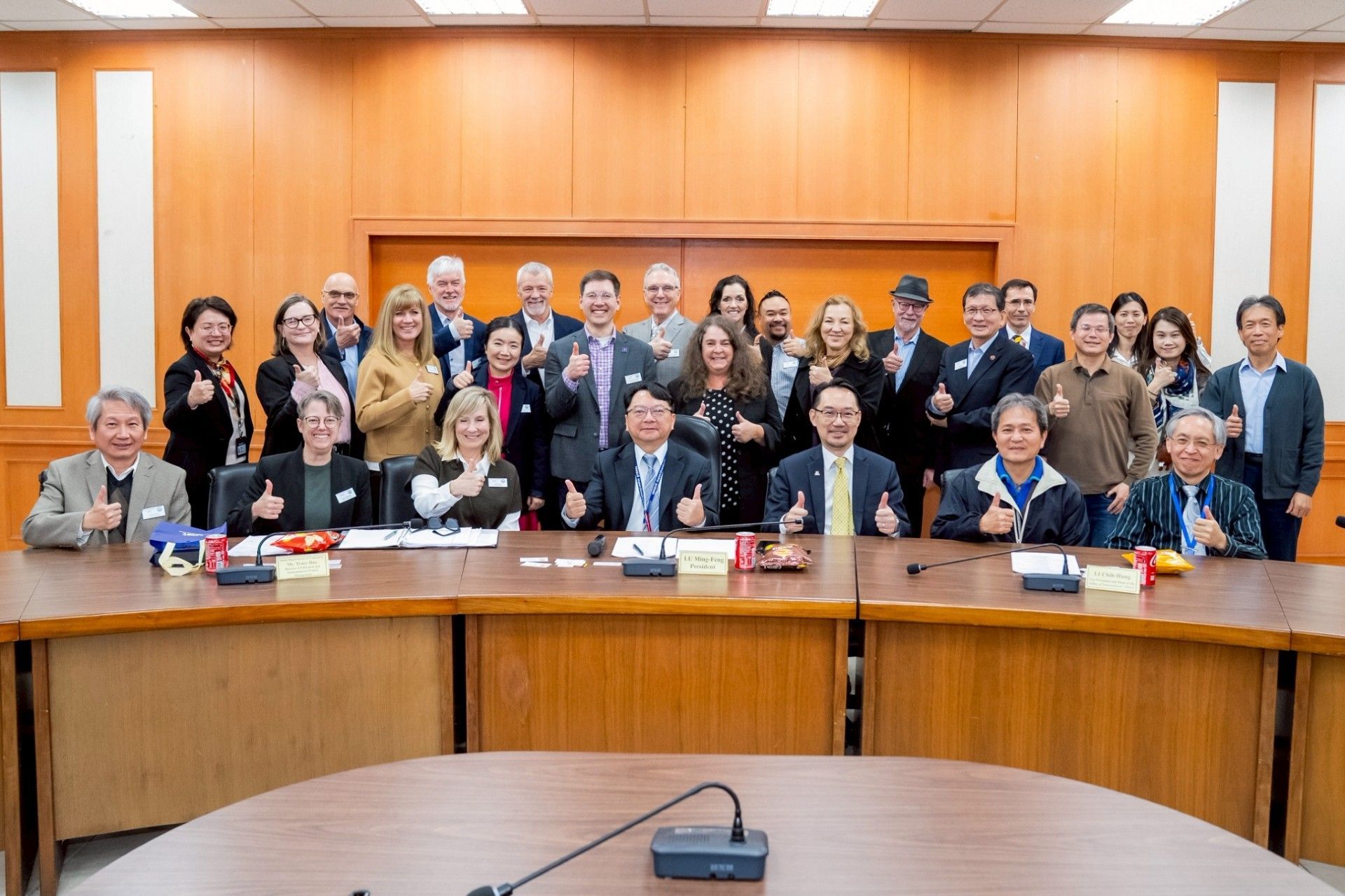
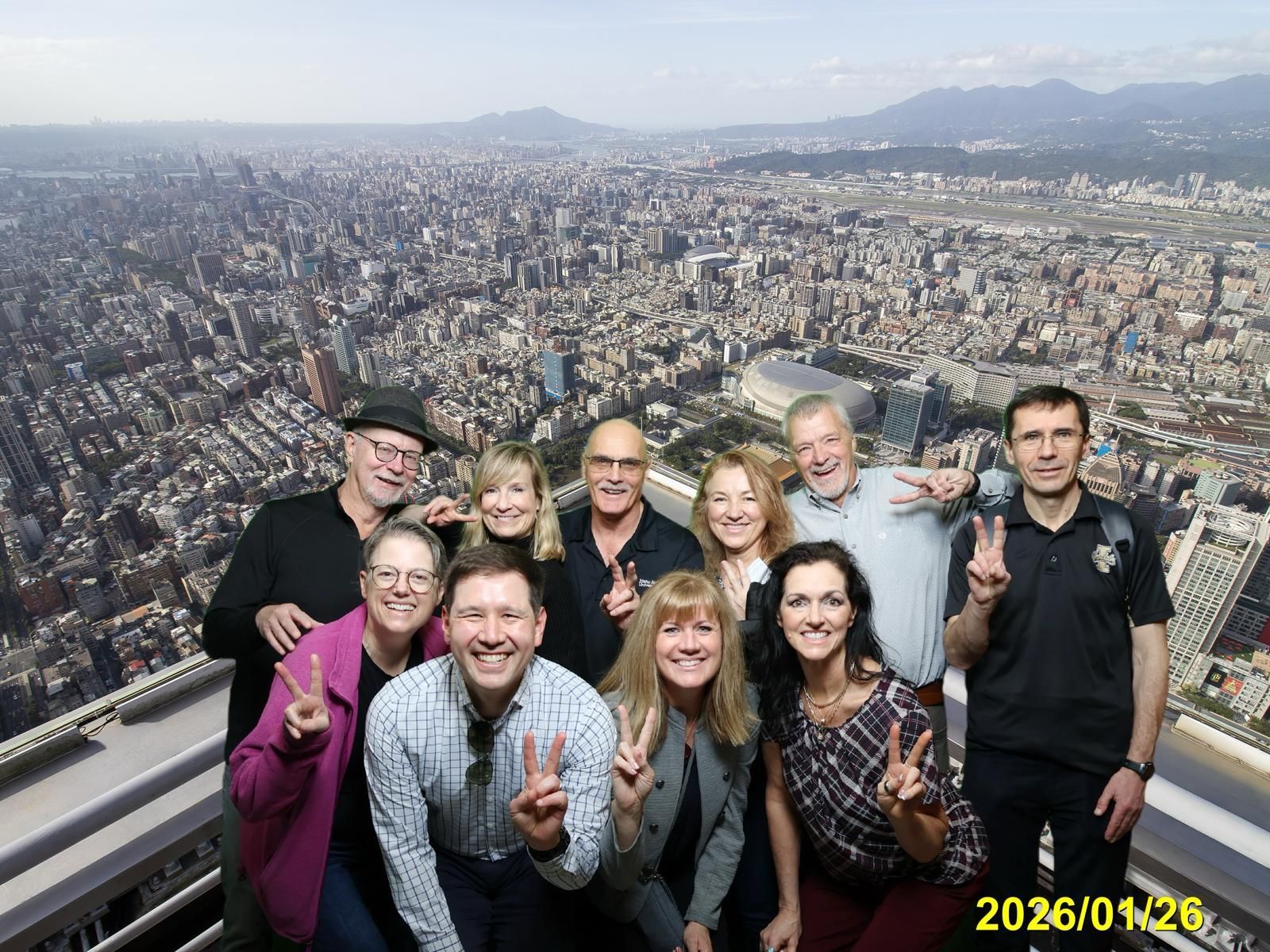
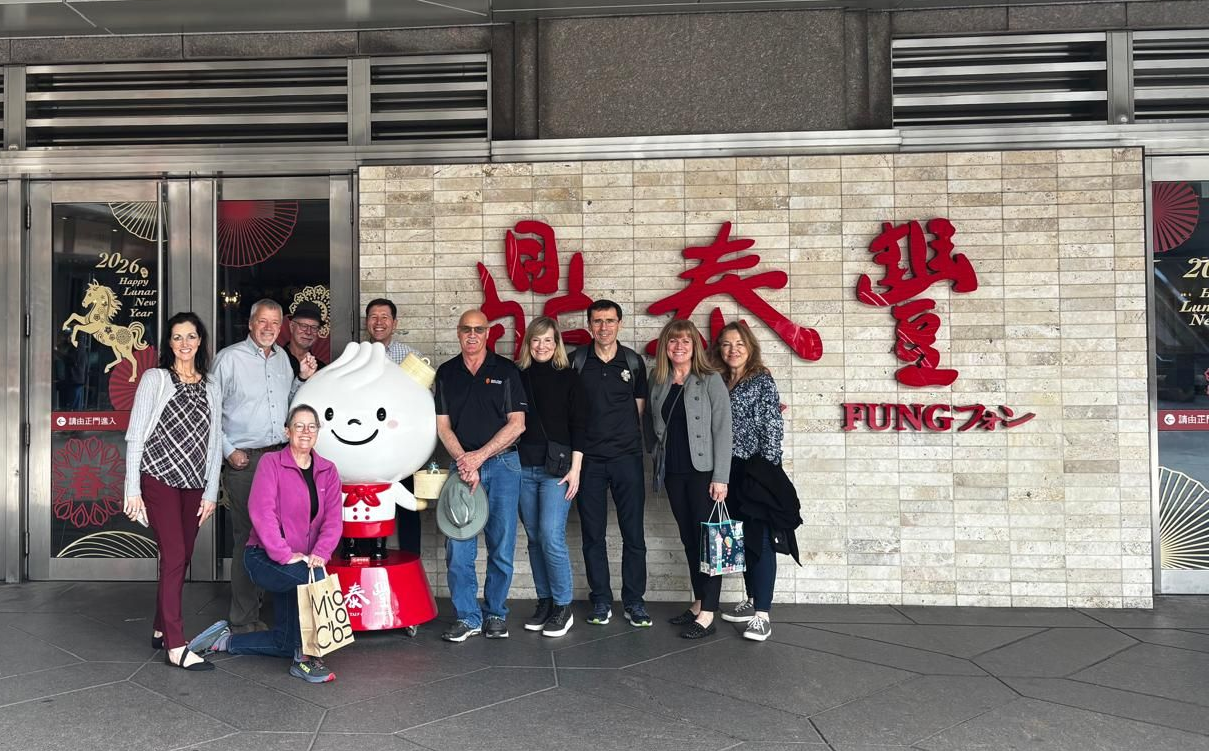
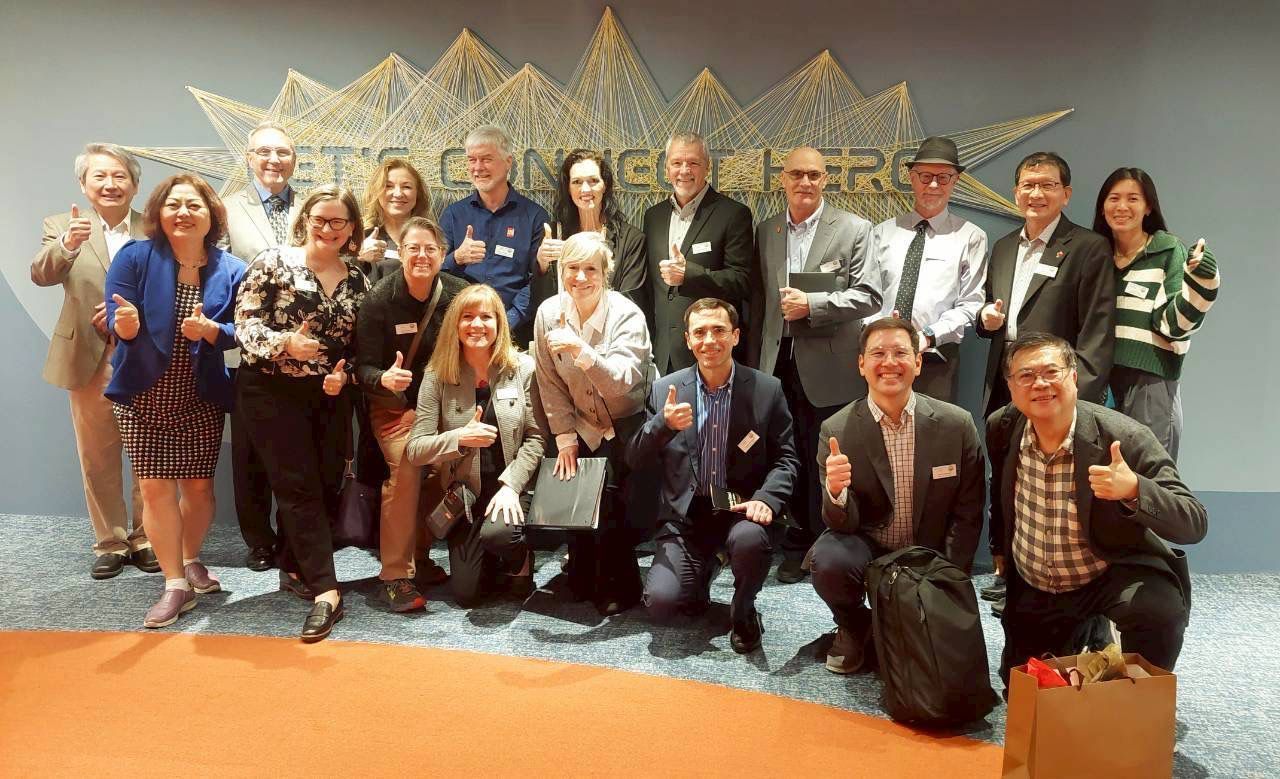
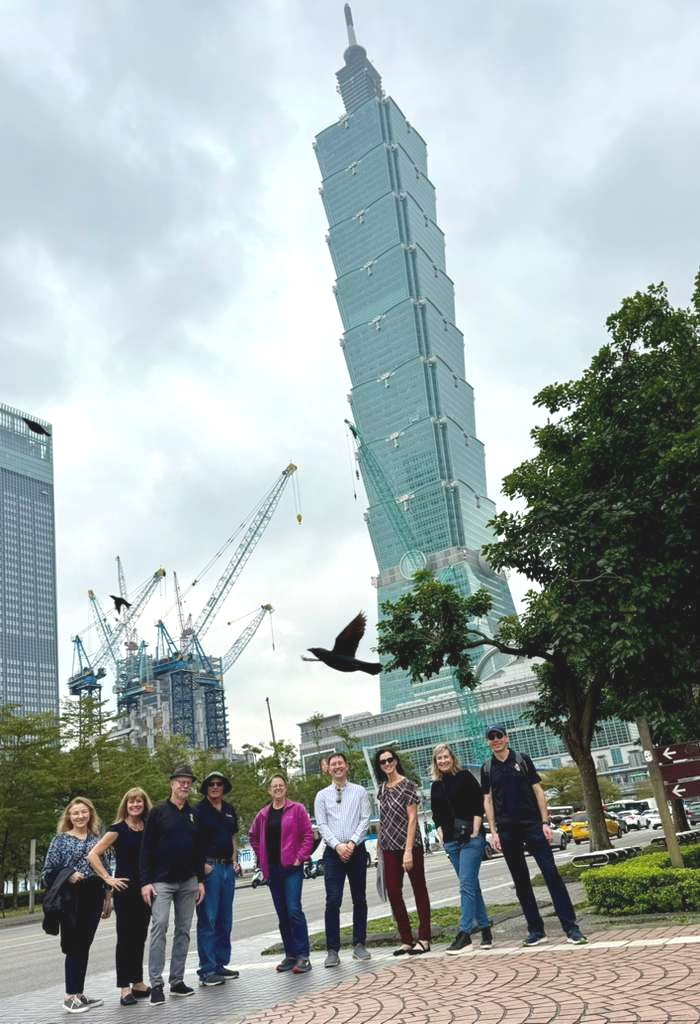
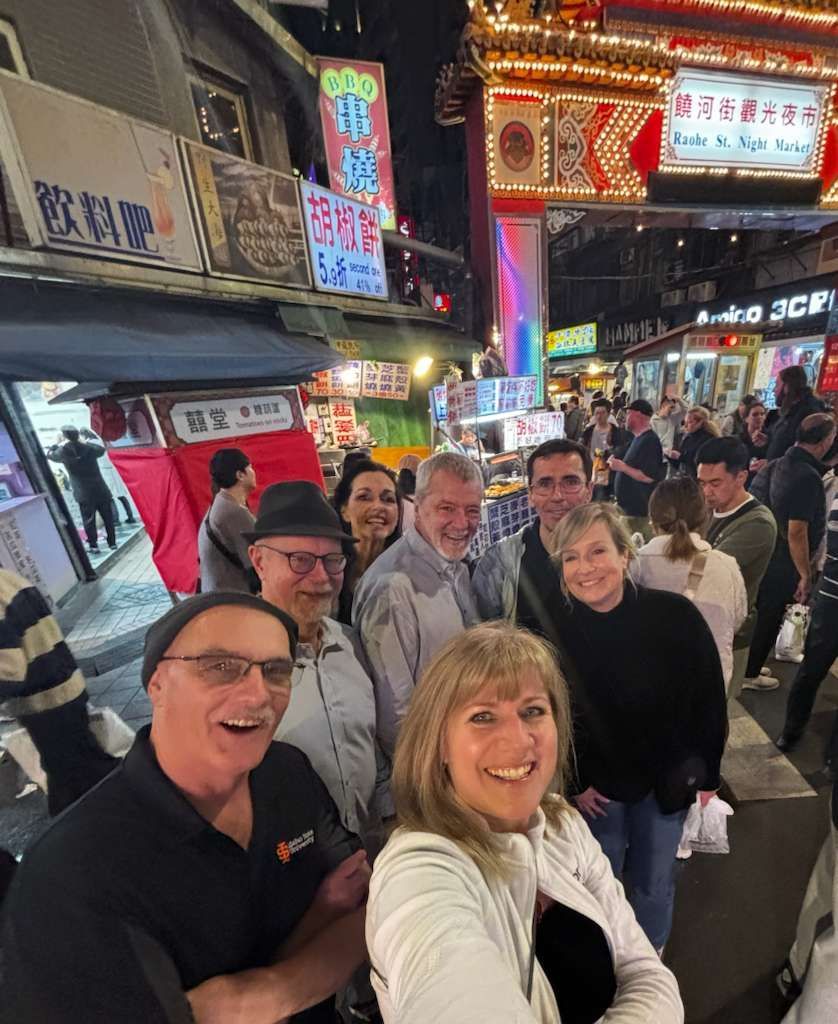
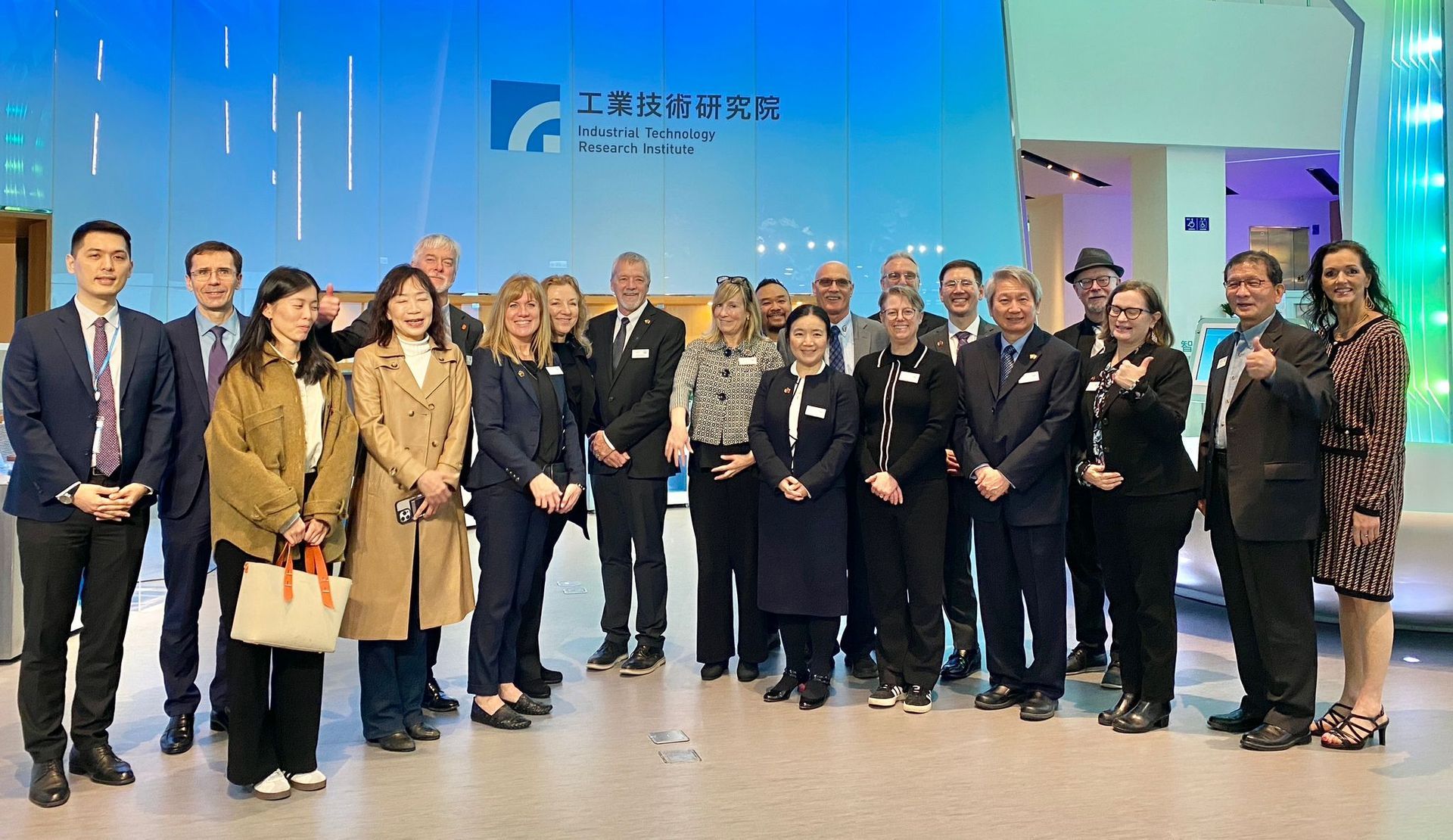
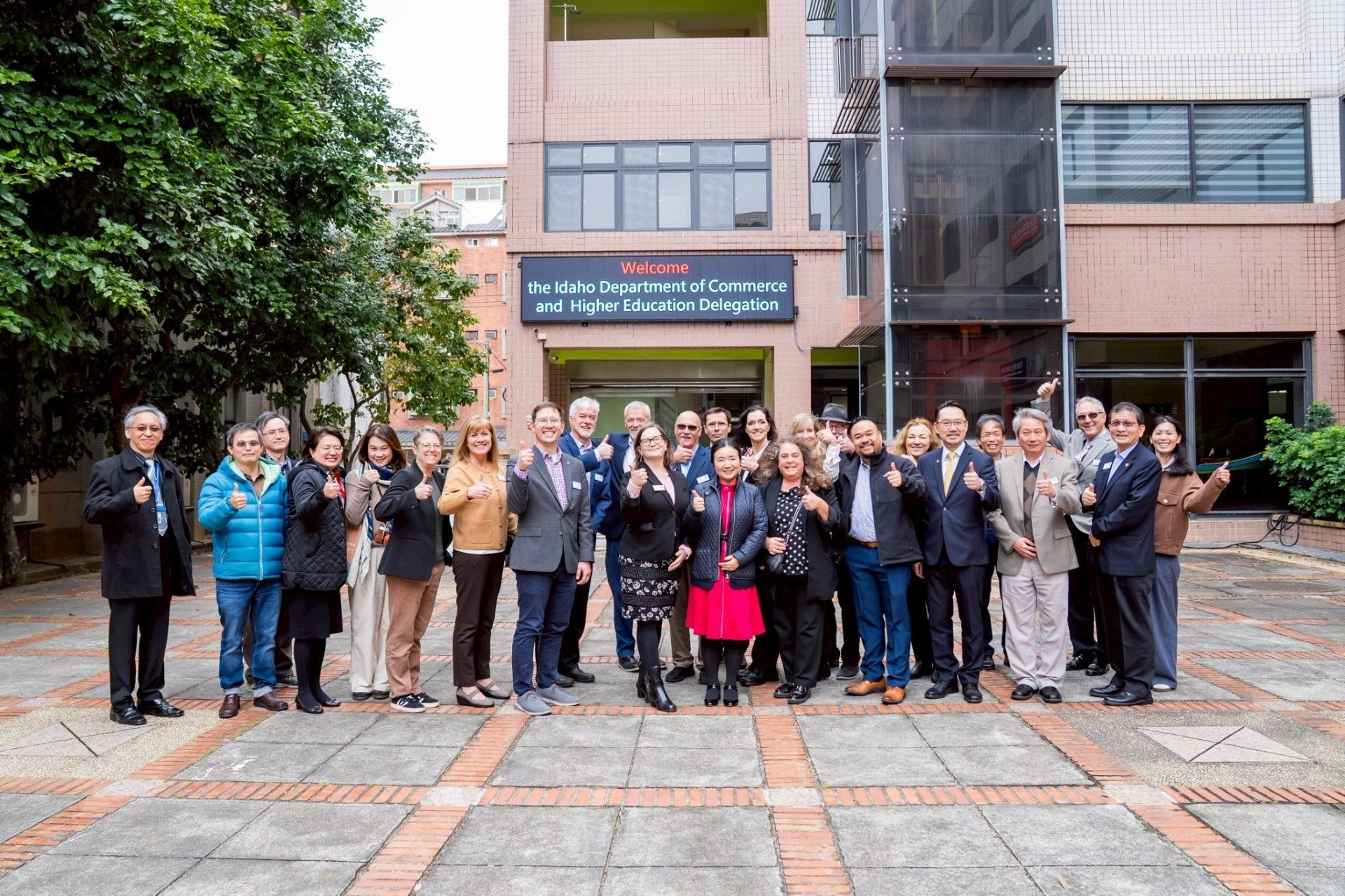
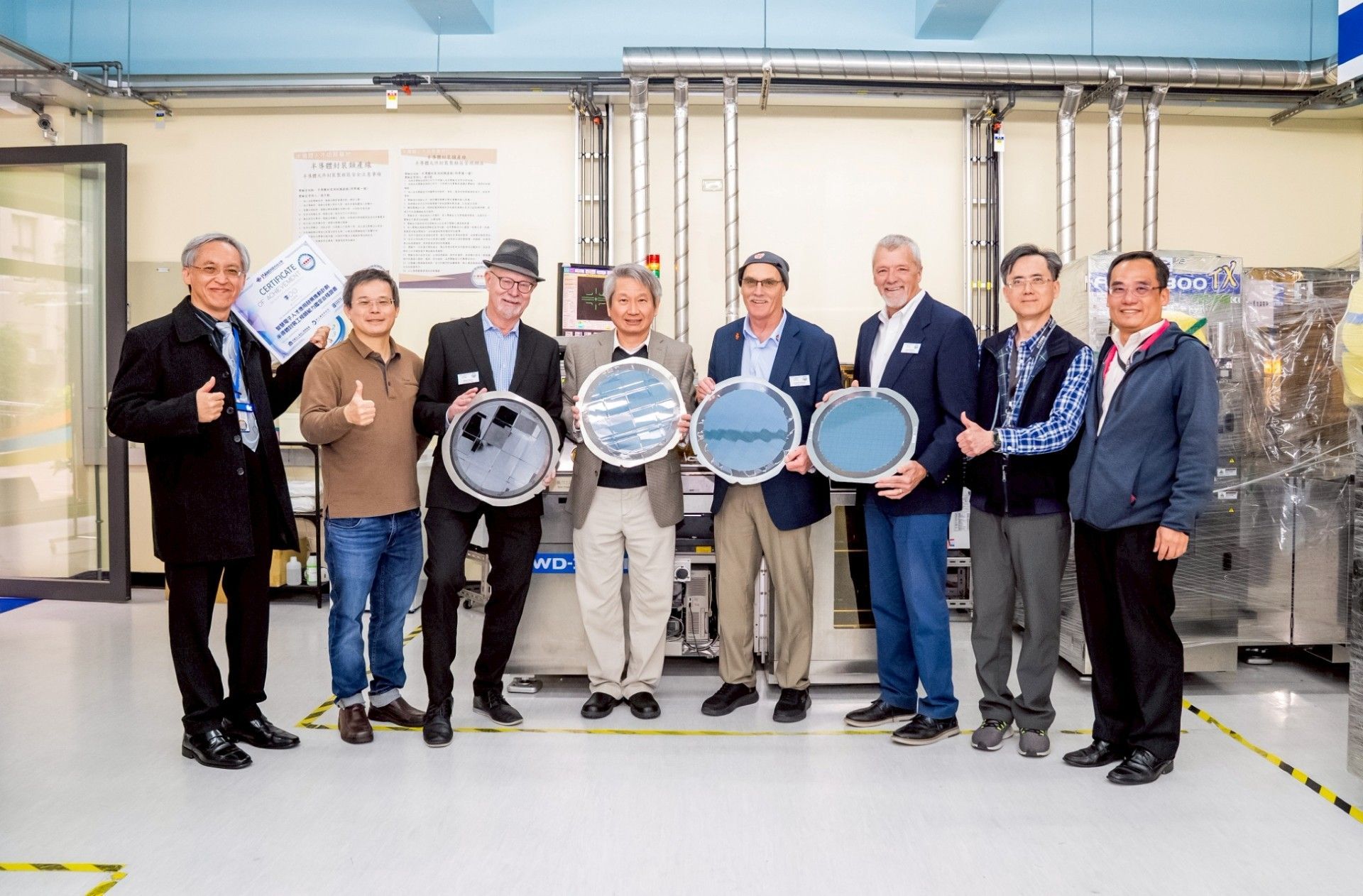
— From January 27–30, 2026, a delegation of Idaho educators, industry leaders, and workforce development professionals traveled to Taiwan on a trade mission organized by the Idaho Department of Commerce and the Idaho–Asia Trade Office. The mission—timed to mark the 40th anniversary of the Idaho–Taiwan Sister State relationship established in 1984—focused on understanding Taiwan's semiconductor workforce training systems, evaluating the feasibility of science parks in Idaho, and identifying opportunities for Taiwanese entrepreneurs to establish a business presence in the United States.
Mission Overview
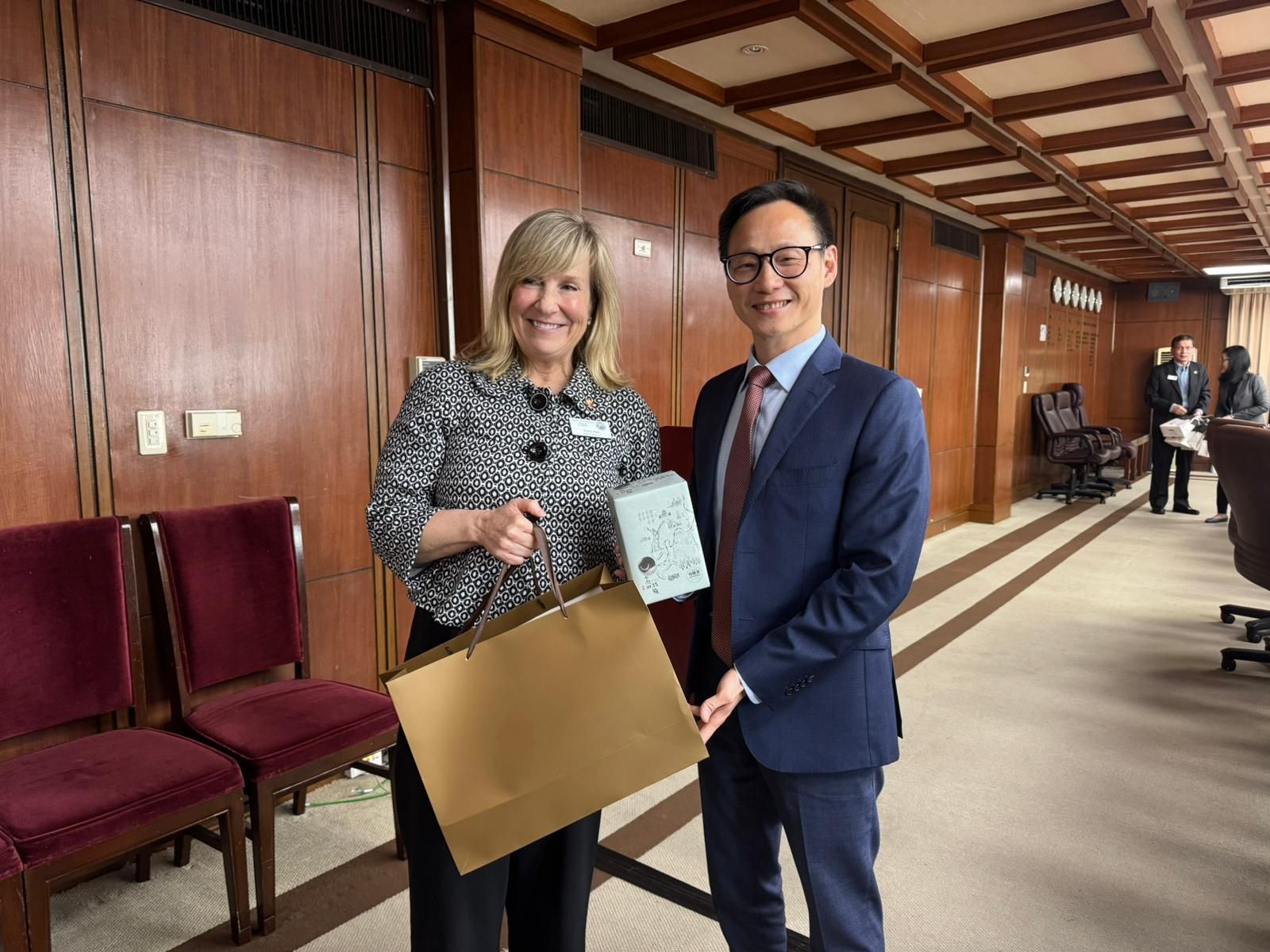
Led by Tracy Day, Business Development Specialist at the Idaho Department of Commerce, and coordinated by Eddie Yen, Director of the Idaho–Asia Trade Office in Taipei, the delegation included representatives from Idaho's leading universities, community colleges, manufacturing organizations, and technology sector. The mission was designed to build on the deep trade relationship between Idaho and Taiwan—Taiwan remains Idaho's second-largest export destination, with more than $504 million in goods exported in 2024.
Tracy Day, Idaho Department of Commerce
"Our mission to Taiwan was a standout success, fueled by an incredibly warm welcome and a genuine spirit of partnership. As the largest education-focused delegation to ever visit Taiwan, we brought together a dedicated group of professionals representing northern, southern, southwestern, and eastern Idaho. The synergy and collaboration across our statewide team were truly impressive, allowing us to see firsthand the rich opportunities for trade and semiconductor workforce development. This trip reinforced that when we work together across the entire state, Idaho and Taiwan have an incredible future of shared innovation and economic growth ahead."
Key Focus Areas
Semiconductor Workforce Development.
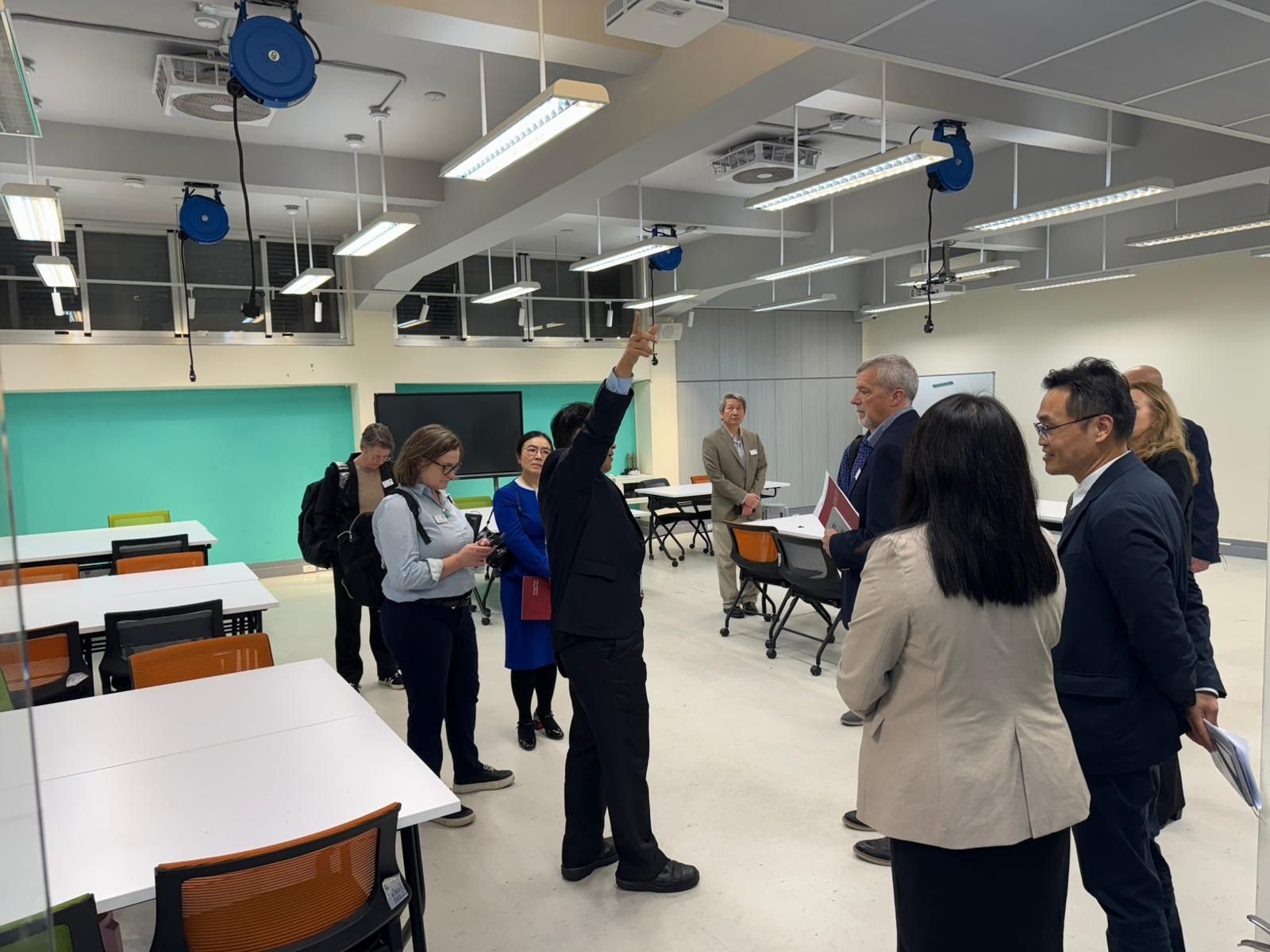
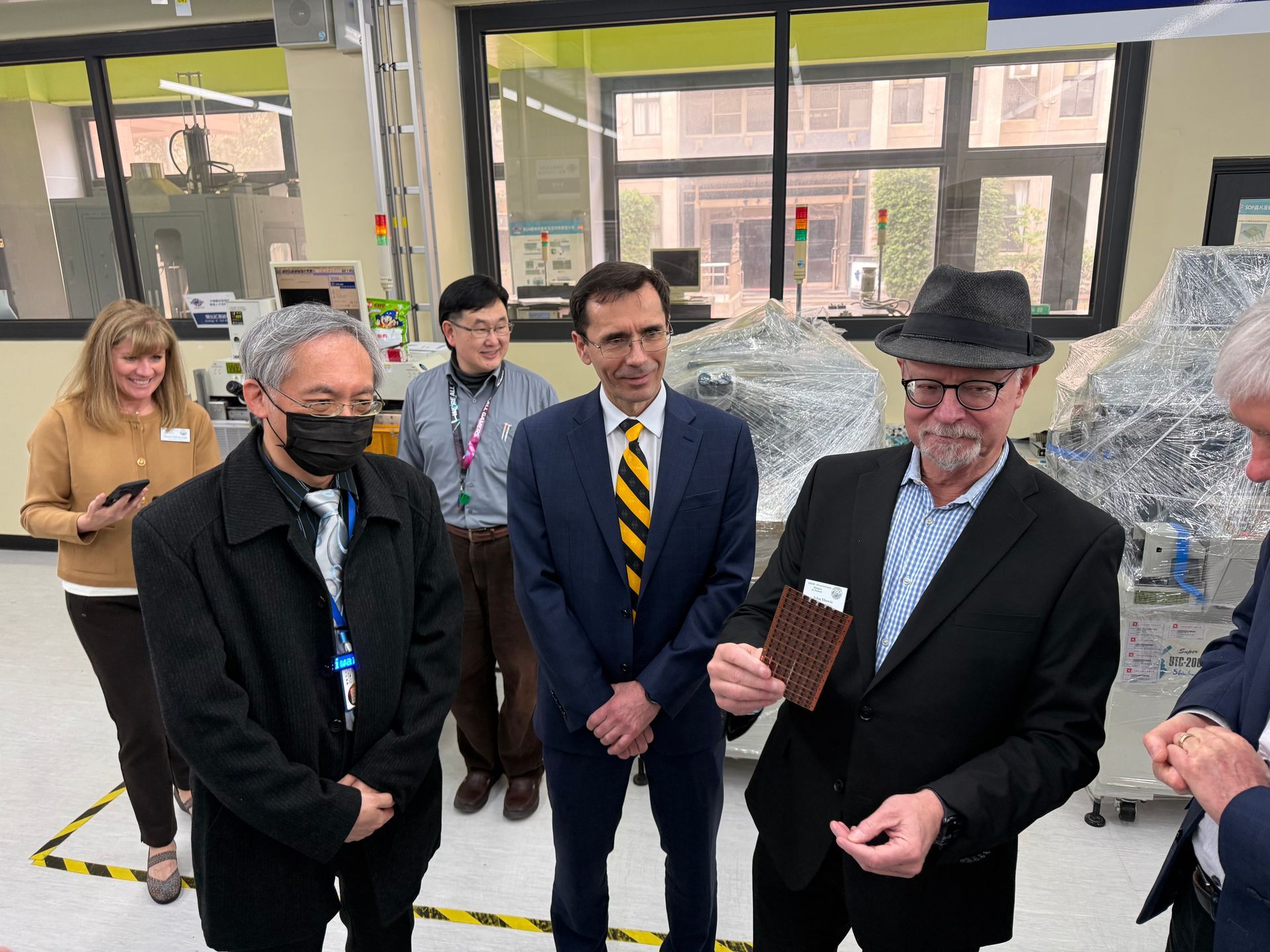
A central objective of the mission was to understand how Taiwan trains its semiconductor workforce at scale. Delegation members visited universities with established Micron Taiwan partnerships—including National Chung Hsin University, Feng Chia University, and Minghsin University of Science and Technology—and toured the Taiwan Semiconductor Research Institute to observe how education, research, and manufacturing are integrated into a cohesive talent pipeline. Idaho's educators and workforce leaders brought these observations back as benchmarks for strengthening domestic programs, particularly as the state responds to growing demand driven by the CHIPS and Science Act.
Science Park Feasibility.
The delegation explored Taiwan's model of science parks—integrated ecosystems that co-locate research institutions, semiconductor manufacturers, and supporting industries under a shared governance structure. Visits to the Hsinchu Science Park district, home to TSRI, ITRI, and the TSMC Museum of Innovation, provided the group with a firsthand understanding of how these parks operate. Discussions centered on the potential for replicating or adapting elements of this model in Idaho, evaluating land, infrastructure, institutional partnerships, and policy frameworks that could support such a development.
Gina Robison, Executive Director, Idaho Manufacturing Alliance (IMA)
"This mission reinforces how critical alignment between industry, education, and workforce systems is to build a competitive semiconductor ecosystem. Seeing Taiwan's integrated approach—where manufacturers, universities, and government move in unison—gave us tangible models Idaho can learn from and adopt. For manufacturers across our state, these relationships translate into stronger talent pipelines, smarter infrastructure planning, and new opportunities to connect Idaho's supply chain to global partners."
Taiwanese Entrepreneurial Opportunities in the U.S.
The mission engaged directly with organizations focused on Taiwanese business expansion into the United States, while identifying reciprocal opportunities for Idaho firms seeking to enter Asian markets. An introductory meeting with the Taiwan Eastbound Alliance of Launching America (TEALA)
on Monday evening, followed by a visit to the Taoyuan Skyline Accelerator later in the week, highlighted the pipeline of entrepreneurs and suppliers already looking to establish U.S. operations. The visit to RayZher Enterprise—a Micron and TSMC supplier planning to open a Boise office in 2026—was a tangible example of this momentum, particularly in light of the recently announced Taiwanese $250 billion in U.S. manufacturing investment commitments.
Micron Taiwan Facility Tour.
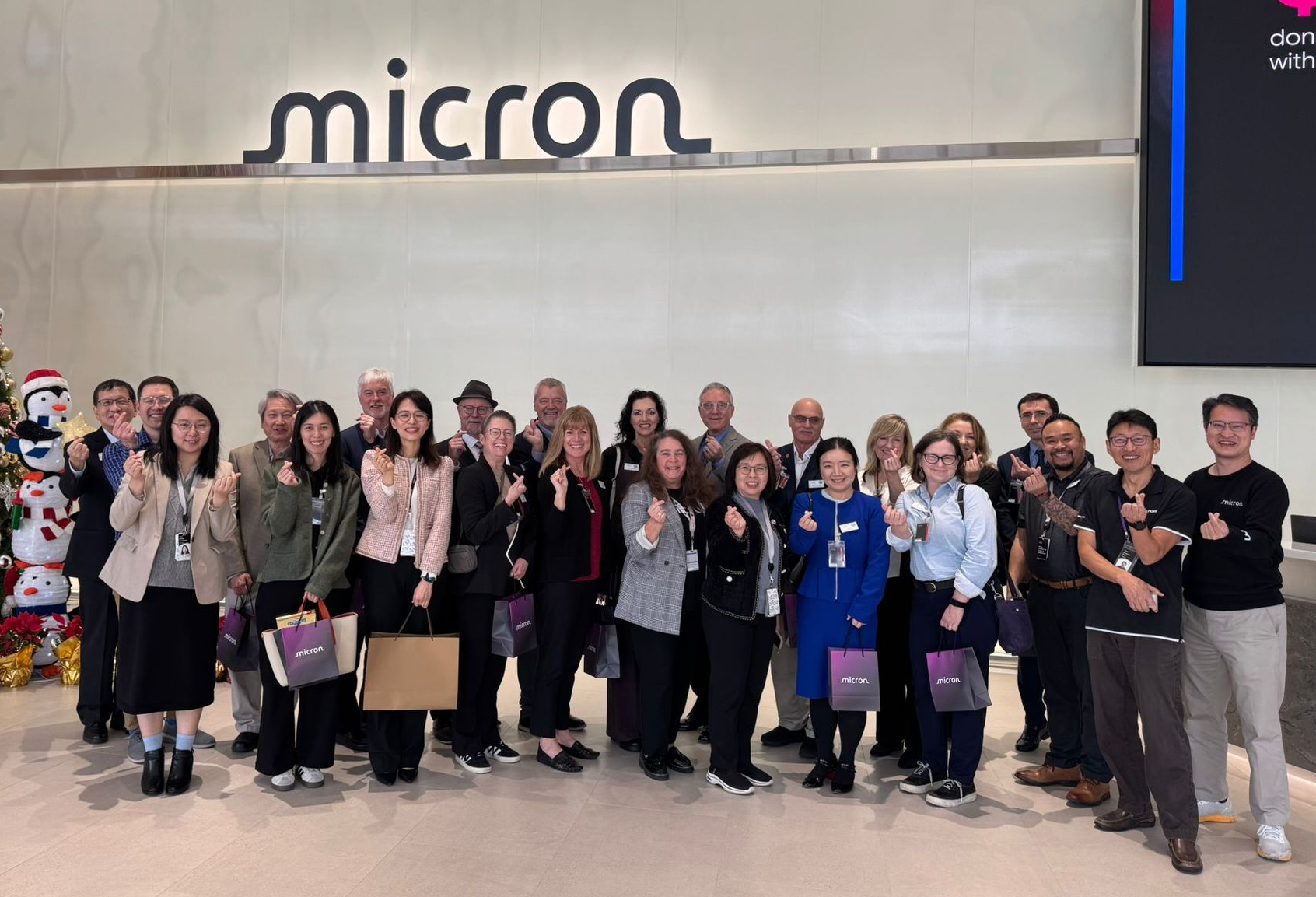
Delegation members Janine Rush-Byers and Kevin Phithak of Micron Technology facilitated a tour of Micron's Taichung operations on the first day of the mission, offering the group an inside look at global-scale semiconductor manufacturing and the workforce systems that support it. Micron has been the largest foreign employer in Taiwan since 2015 and manufactures DRAM at its Taiwan facilities. The visit reinforced the deep ties between Idaho's semiconductor industry and Taiwan's manufacturing base and highlighted opportunities for continued collaboration in training and talent development.
Government & Institutional Engagement.
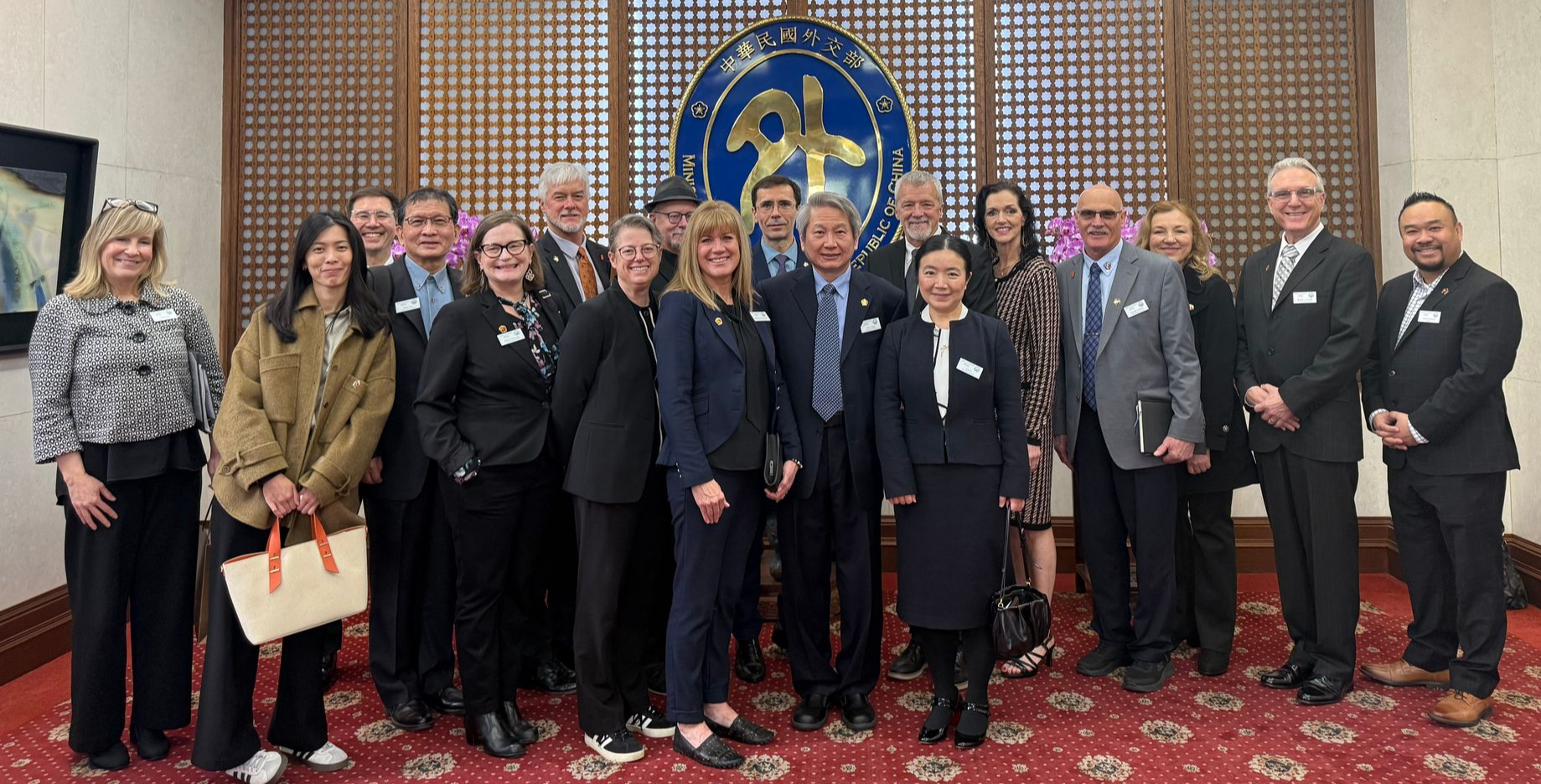
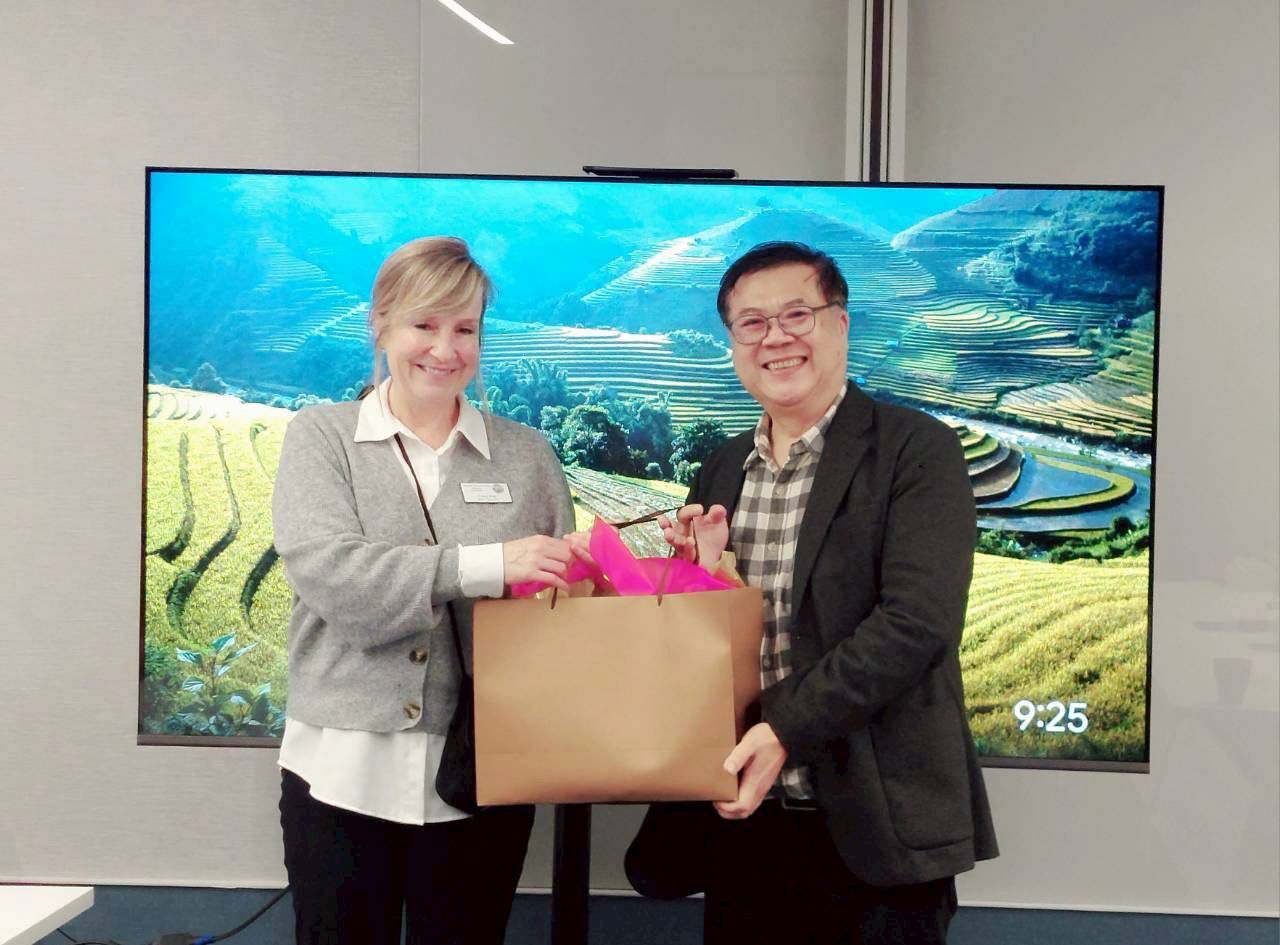
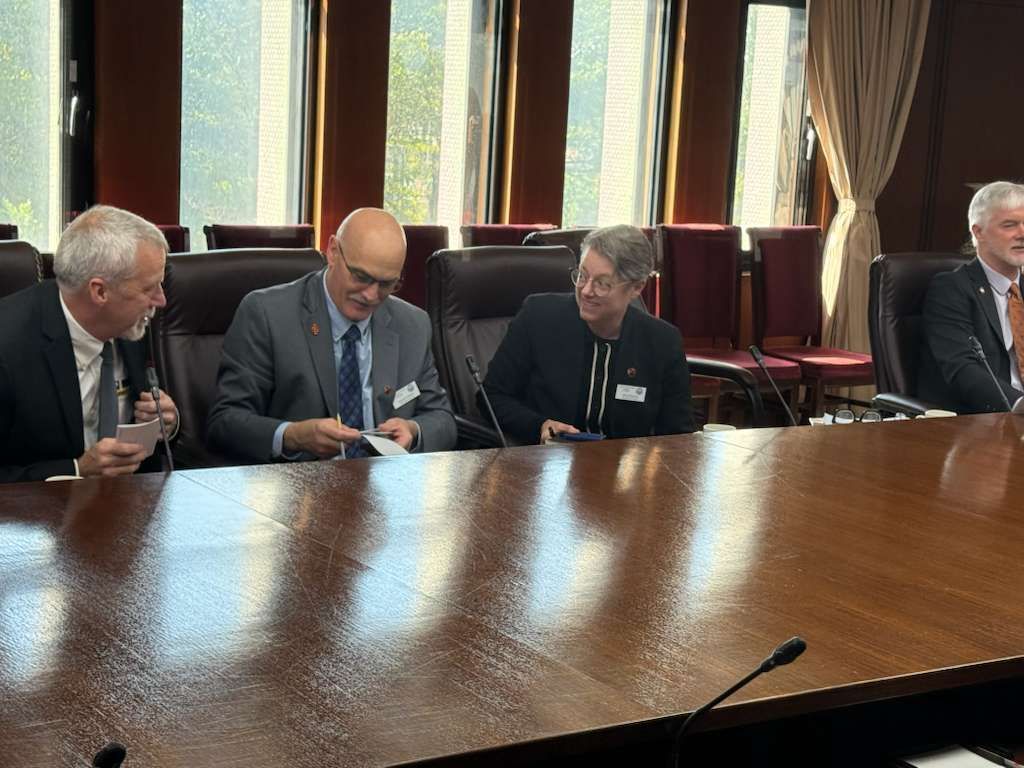
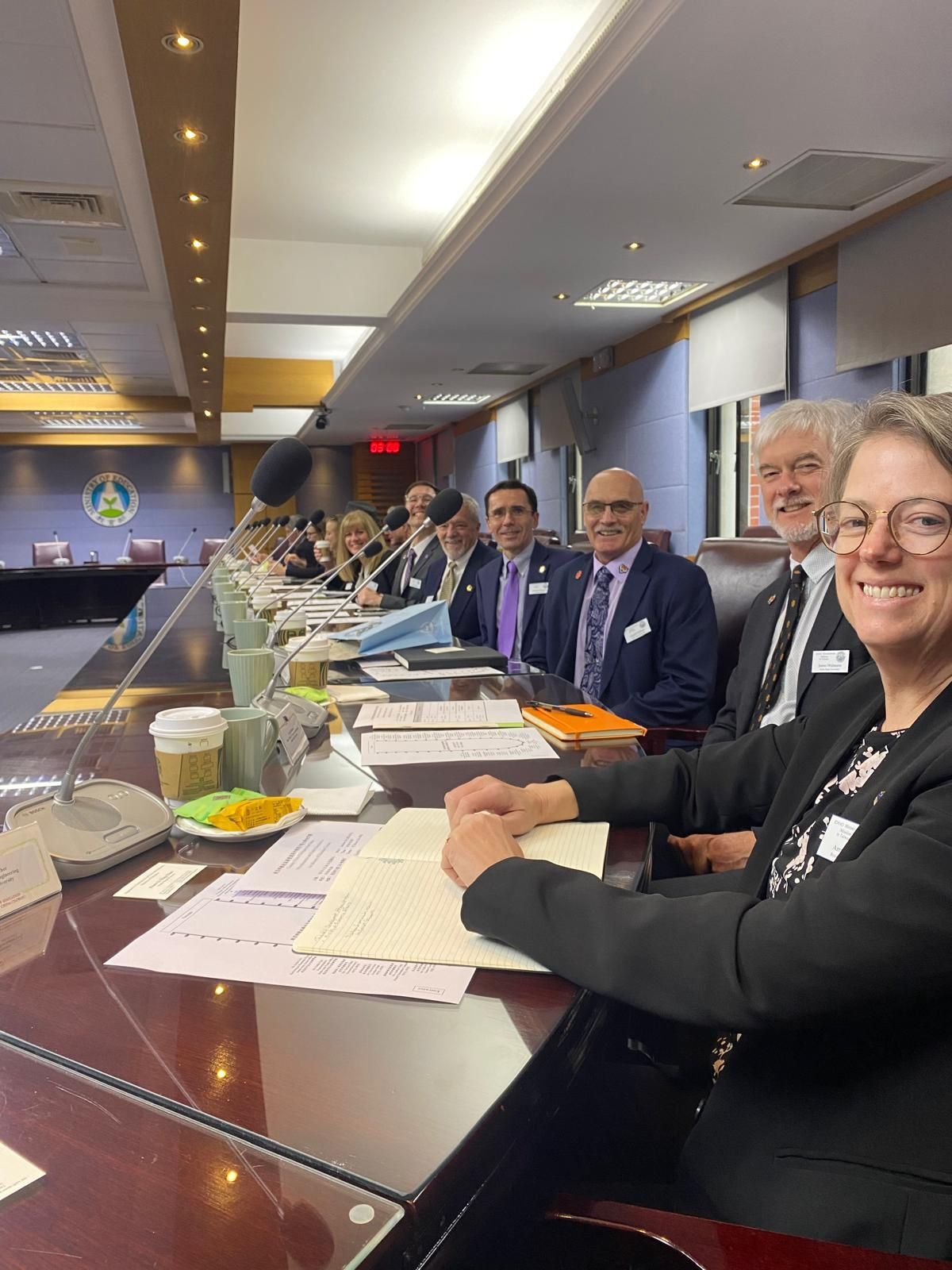
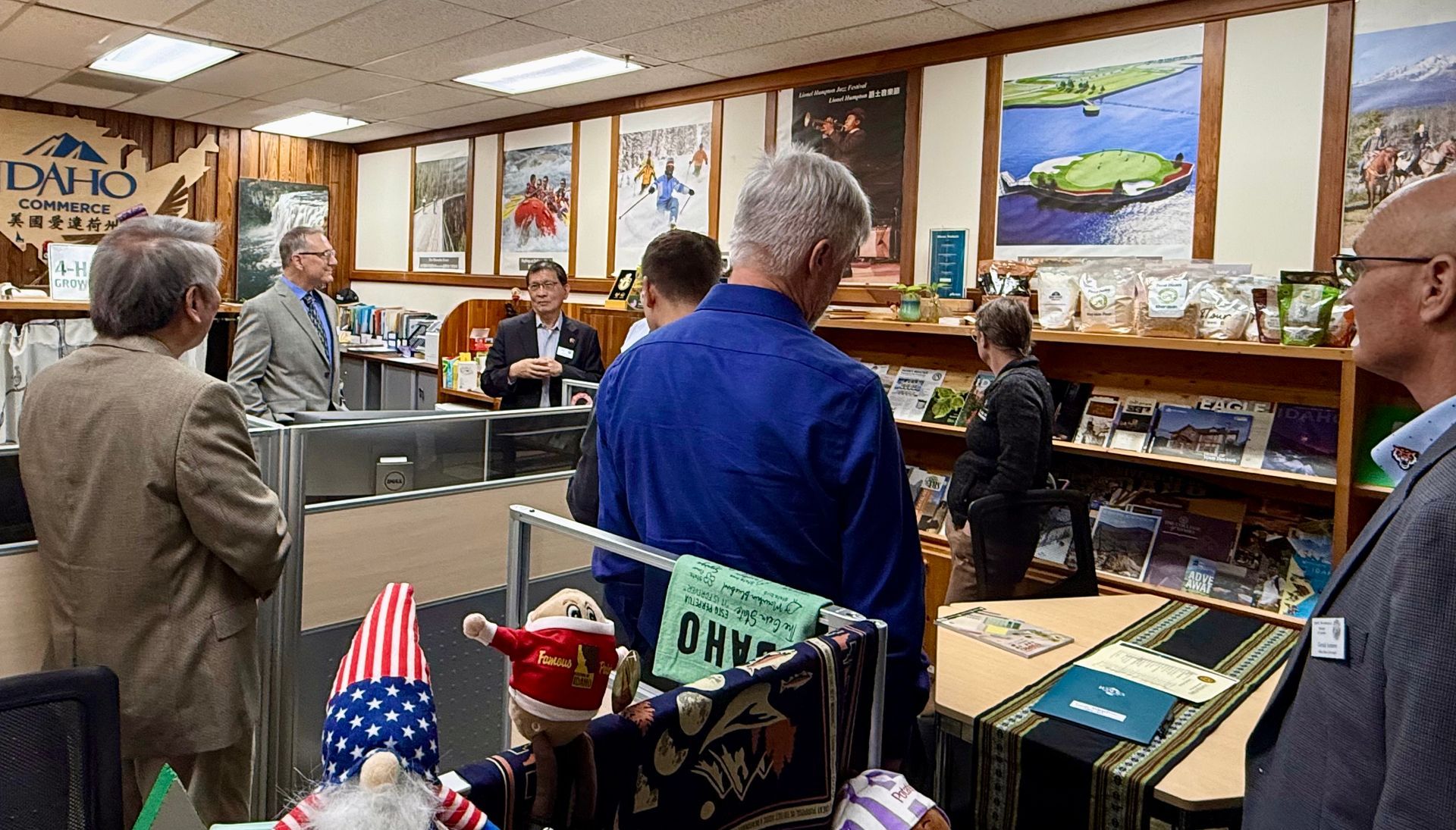
The delegation met with key Taiwanese government bodies including the Ministry of Foreign Affairs, the Ministry of Economic Affairs, and the Ministry of Education—the latter hosted by Vice Minister K. W. Liu. These meetings addressed bilateral trade policy, semiconductor investment frameworks, and education-industry alignment. The delegation also visited the American Institute in Taiwan's commercial section to discuss U.S.–Taiwan trade corridors and Idaho's role in them.
Diane Temple, President & CEO, Idaho Technology Council
"Taiwan and Idaho are mission-aligned in growing healthy technology ecosystems. This mission gave us an opportunity to learn from Taiwan's proven semiconductor workforce models and establish a framework for sharing resources and best practices. The partnerships we've built this week will help both regions address critical tech talent needs while positioning Idaho as a strategic gateway for Taiwanese companies expanding into the U.S. market."
Janine Rush-Byers, Director of Global Strategic University Partnerships, Micron
"By visiting Micron’s Taichung operations, the delegation saw firsthand how deeply connected Idaho and Taiwan are in building the future of semiconductor innovation. Seeing the scale of manufacturing excellence in Taiwan—and the education and workforce systems that sustain it—reinforced the importance of our partnerships across universities, community colleges, industry, and the public sector. Everyone returned home with a renewed commitment to bridging our teams, ideas, and shared mission to grow the semiconductor workforce of tomorrow."
Meetings & Visits: Day-by-Day
The following table details each meeting, facility tour, and institutional visit conducted during the four-day mission.
| Date | Meetings & Visits |
|---|---|
| Monday, January 26
|
Taiwan Eastbound Alliance of Launching America (TEALA)
On the evening of their first full day, the delegation met with TEALA at the Taiwan World Trade Center in Taipei. Led by Edison Chen, CEO, the meeting introduced the delegation to TEALA's mission of supporting Taiwanese entrepreneurs and companies seeking to launch or expand operations in the United States—setting the stage for the later visit to the Taoyuan Skyline Accelerator.
|
| Tuesday, January 27
|
Micron Taichung
The delegation opened the mission with a tour of Micron's Taichung fabrication operations, hosted by Micron representatives Janine Rush-Byers and Kevin Phithak. The visit included an introduction to Micron's Taiwan operations—the company has been the largest foreign employer in Taiwan since 2015—followed by a walkthrough of the A3 Fab Showroom and a presentation on Micron's university collaboration programs in Taiwan.
|
| National Chung Hsin University (NCHU)
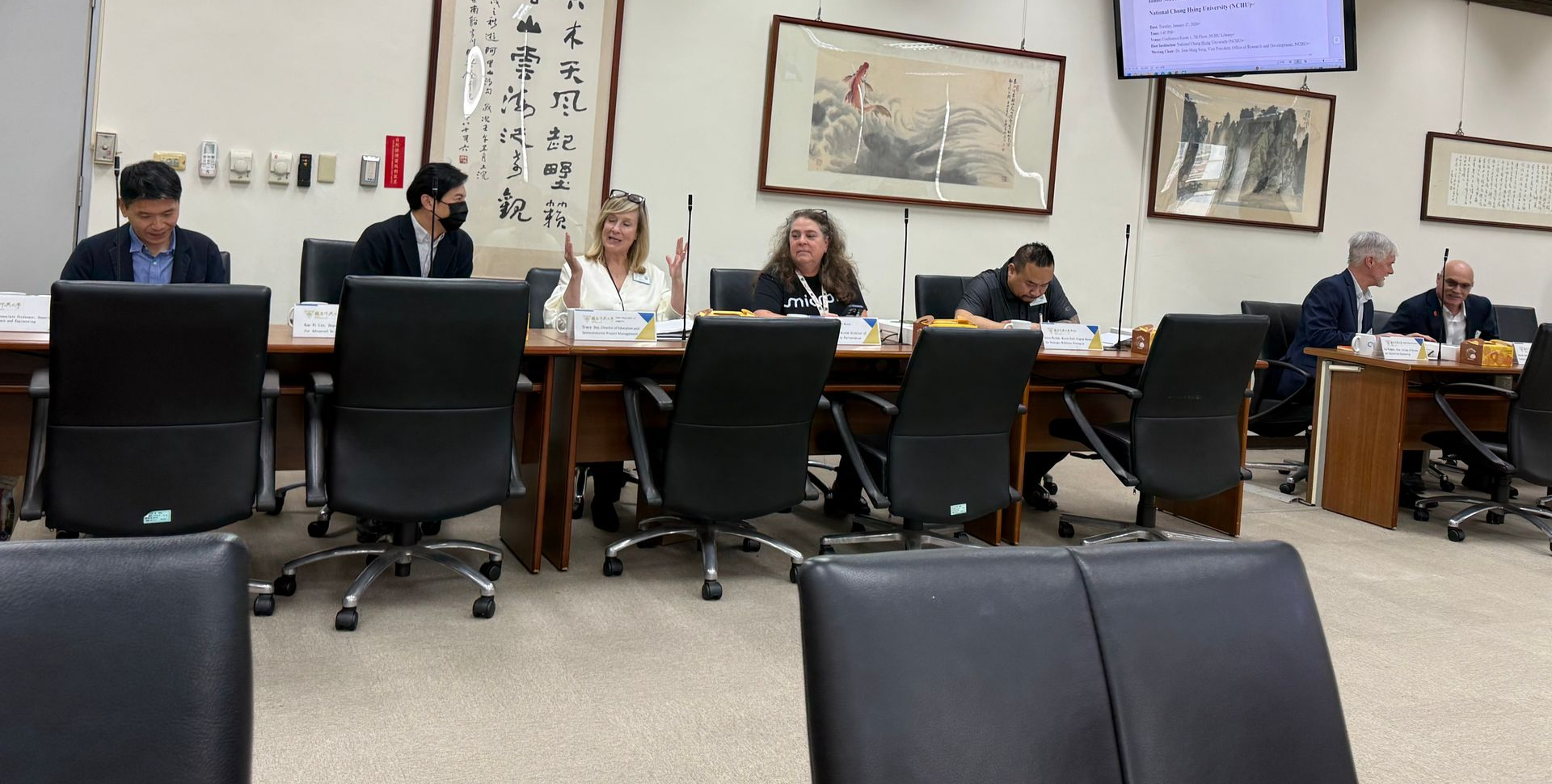
Delegation members visited NCHU, one of the Taiwanese universities with an established partnership with Micron Taiwan, to learn about their joint workforce development and research programs. The visit was led by Dr. Sam Sung, Dean of the Office of R&D.
|
|
| Feng Chia University (FCU)
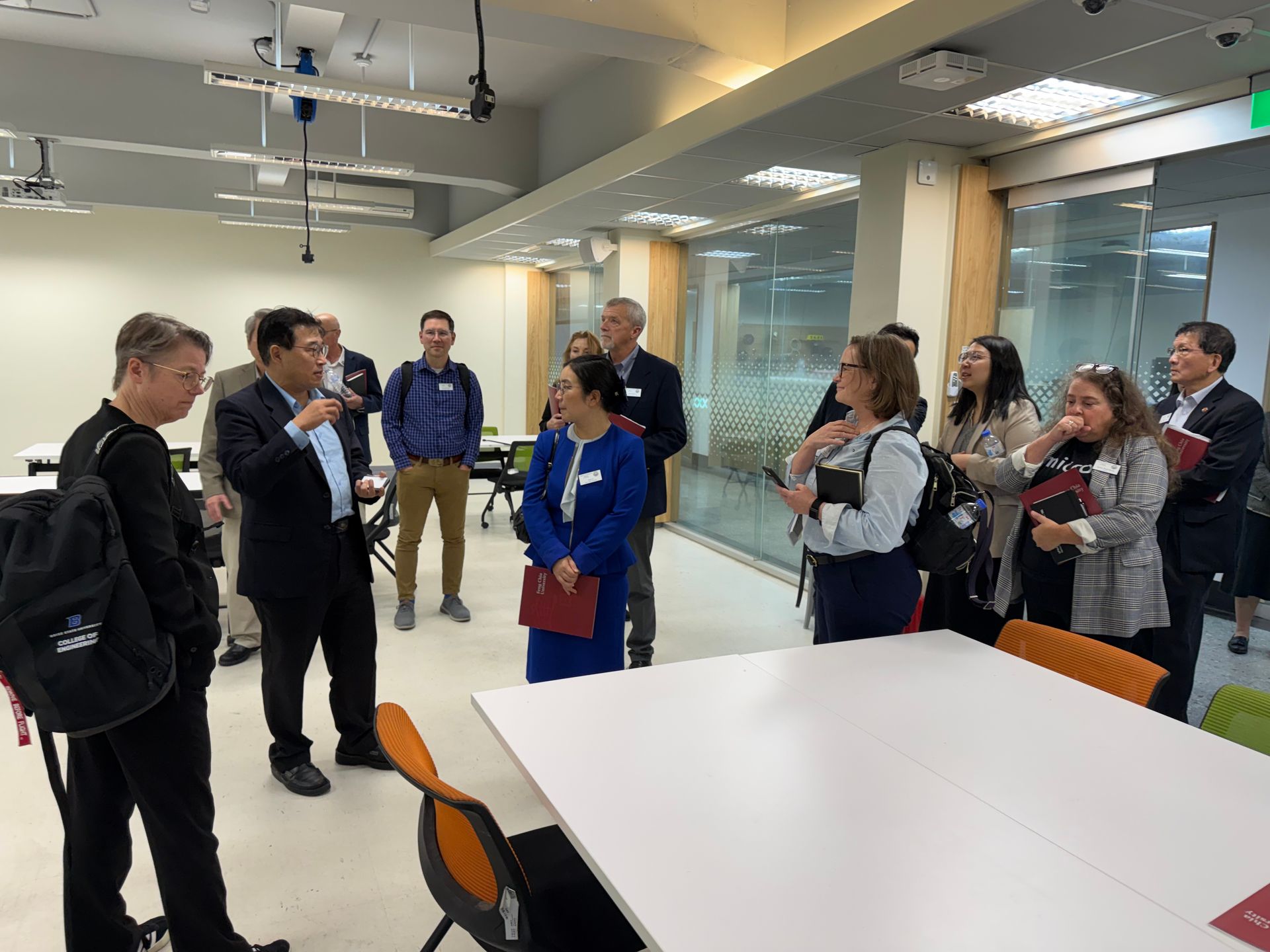
The group then toured Feng Chia University, another institution with active Micron Taiwan ties, meeting with Dr. Pei Liu, CIO of International Affairs, and Dr. Yu C. Liu, Director of the Office of Industry Collaboration and Extension, to discuss curriculum alignment with industry needs.
|
|
| Wednesday, January 28
|
Semiconductor School, Minghsin University of Science and Technology
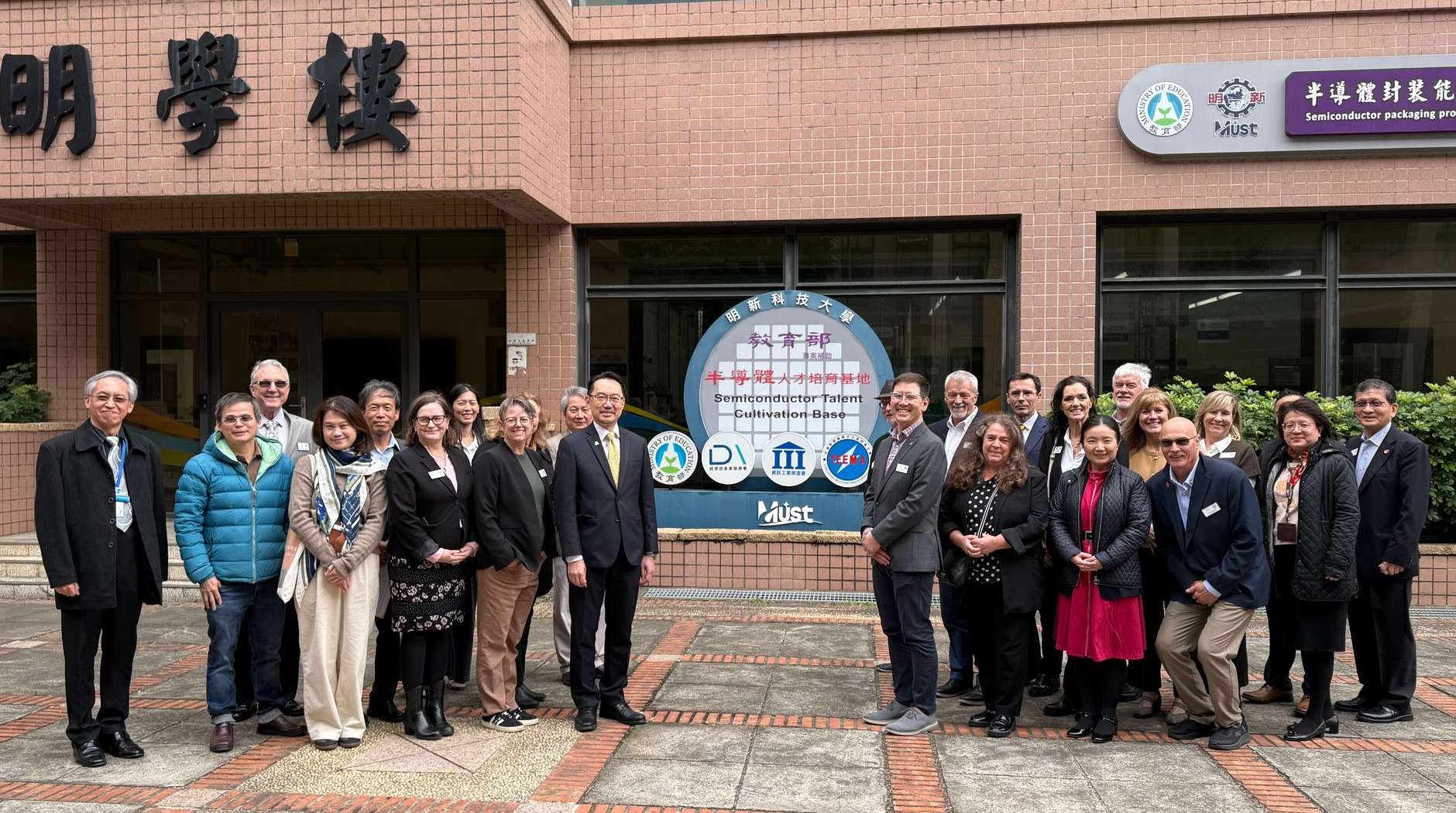
The delegation visited Minghsin's dedicated Semiconductor School, gaining a firsthand look at how a Taiwanese university structures an entire academic unit around semiconductor education. The visit was hosted by Dr. Li Chih-Hung, Dean and Vice President.
|
| RayZher Enterprise
Delegation members met with RayZher, a company that provides piping installation and support services to both Micron Taiwan and TSMC. Notably, RayZher is planning to expand to Boise in 2026—an early signal of Taiwanese supplier interest in the Idaho semiconductor ecosystem.
|
|
| Taiwan Semiconductor Research Institute (TSRI)
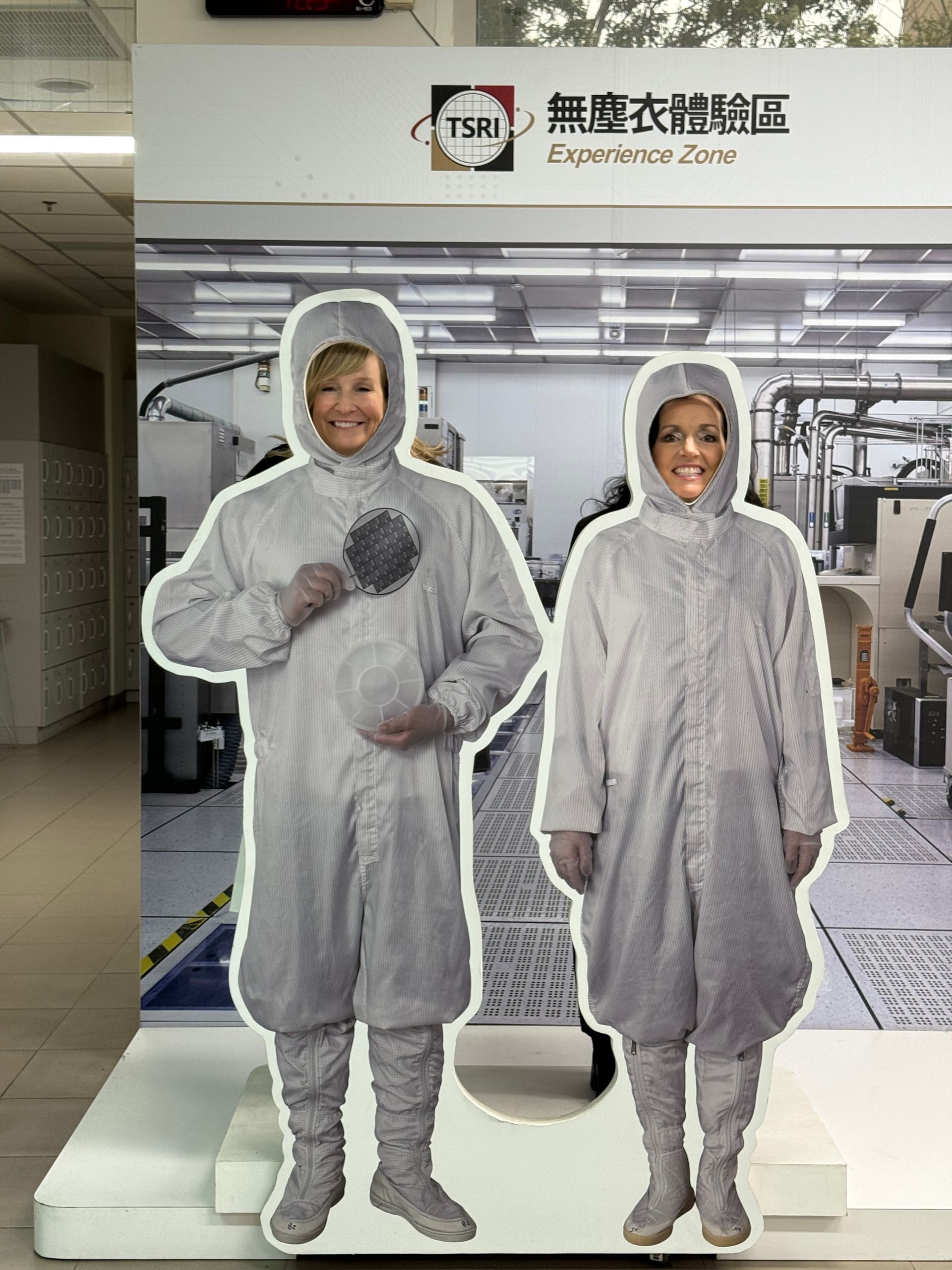
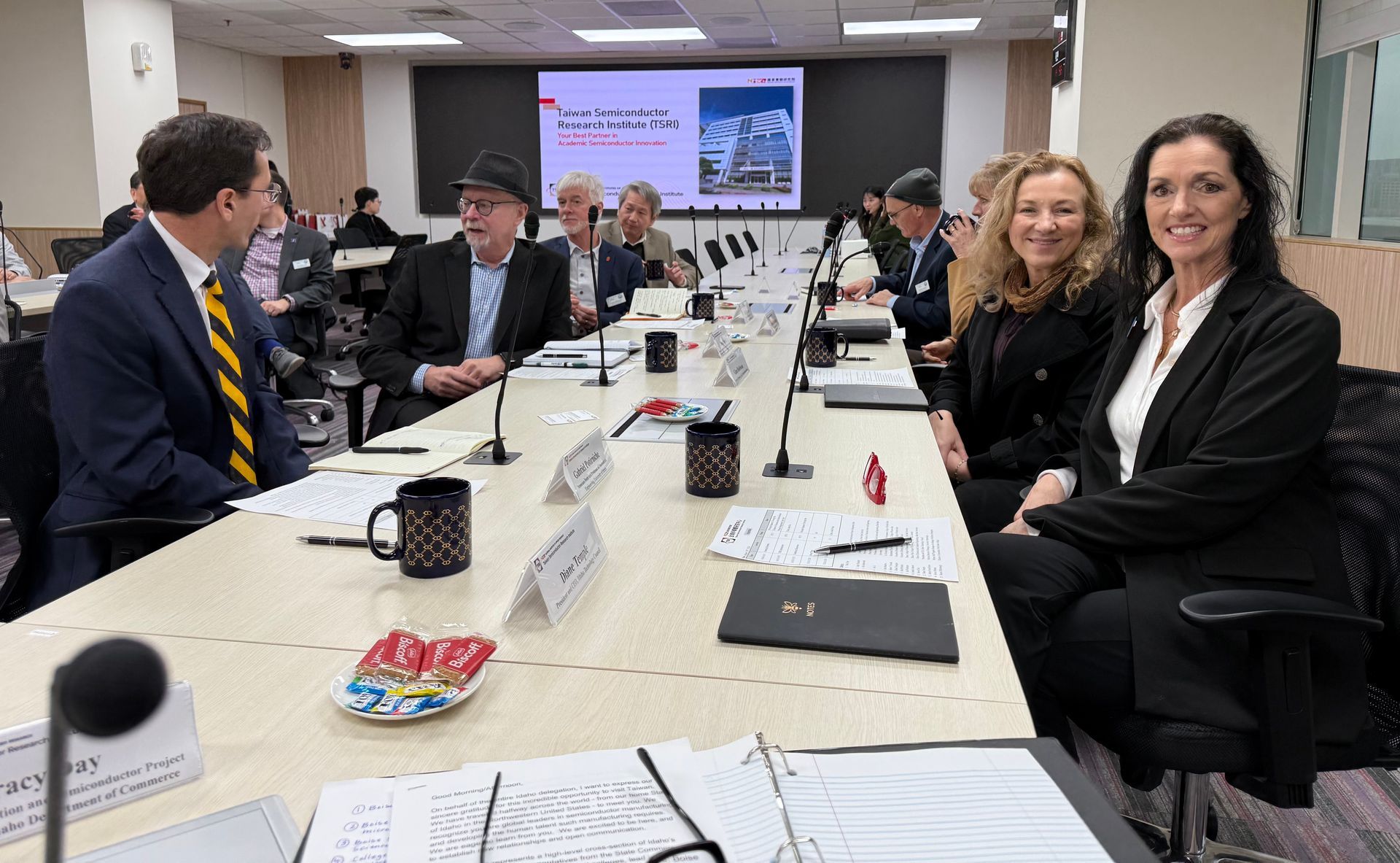
Located within the Hsinchu Science Park, TSRI provided the delegation with insight into Taiwan's centralized approach to semiconductor research and development and the role national research institutes play in sustaining the supply chain.
|
|
| National Tsing Hua University (NTHU)
The group visited NTHU to explore its semiconductor-focused research programs and the university's role in producing the technical talent that supports Taiwan's chip industry.
|
|
| Thursday, January 29
|
Ministry of Foreign Affairs (MoFA)
The delegation met with Taiwan's Ministry of Foreign Affairs to discuss the bilateral relationship between Idaho and Taiwan and the state-level opportunities for expanded collaboration in trade and technology.
|
| Taoyuan Skyline Accelerator
The delegation visited the Taoyuan Skyline Accelerator, led by Ethan Huang, to see firsthand the startup infrastructure Taiwan has built to nurture companies with U.S. expansion ambitions. The accelerator showcased entrepreneurs and suppliers actively preparing to establish operations in the United States—directly relevant to the $250 billion U.S. manufacturing investment landscape.
|
|
| Industrial Technology Research Institute (ITRI)
The delegation visited ITRI, one of Taiwan's premier national research bodies, to understand how government-funded research institutions support semiconductor innovation, workforce training, and industry-academia collaboration at scale.
|
|
| TSMC Museum of Innovation
The group toured the TSMC Museum of Innovation in Hsinchu Science Park, gaining a historical and technological overview of TSMC's role in shaping the global chip industry.
|
|
| Friday, January 30
|
American Institute in Taiwan (AIT) – Commercial Section
The delegation began its final day with a meeting at the American Institute in Taiwan's commercial office, discussing U.S.–Taiwan trade corridors and opportunities for Idaho businesses and entrepreneurs.
|
| Ministry of Economic Affairs (MOEA)
The group met with Taiwan's Ministry of Economic Affairs to explore policy frameworks that support semiconductor industry investment and workforce development on both sides of the Pacific.
|
|
| Ministry of Education (MOE)
Hosted by Vice Minister K. W. Liu, the delegation visited the Ministry of Education to discuss Taiwan's national approach to semiconductor education and training, and the potential for cross-border curriculum and student exchange initiatives.
|
Delegation Roster
The following Idaho leaders participated in the January 2026 Taiwan Trade Mission:
| Organization | Delegate(s) |
|---|---|
| Idaho Department of Commerce
|
Tracy Day, Business Development Specialist
|
| Idaho Technology Council
|
Diane Temple, President & CEO
|
| Micron Technology
|
Janine Rush-Byers, Director of Global Strategic University Partnerships
Kevin Phithak, Staff Program Manager, Strategic Workforce Strategies
|
| Boise State University
|
Dr. Amy S. Fleischer, Dean of Engineering
Dr. Eric Jankowski, Director, Micron School of Materials Science & Engineering
Dr. Lan Li, Professor of Materials Science & Engineering
|
| College of Southern Idaho
|
Brett William Madron, P.E., Senior Director of Workforce & Economic Development
|
| College of Western Idaho
|
Robert T. Novak, Department Chair, Industrial Automation
Jillana Finnegan, Executive Director of Strategic Projects
|
| Idaho Manufacturing Alliance
|
Gina Robison, Executive Director
|
| Idaho State University
|
Dr. Jim Widmann, Dean, College of Science & Engineering
Gerald (Jerry) Anhorn, Dean, College of Technology
Dr. Steve C. Chiu, Professor & Chair, Computer Science and Electrical & Computer Engineering
|
| North Idaho College
|
Marita Diffenbaugh, Director of Innovation
|
| University of Idaho
|
Dr. Gabriel Potirniche, Associate Dean, College of Engineering
Dr. John C. Shovic, Director, Center for Intelligent Industrial Robotics
|
Looking Ahead
The Taiwan Trade Mission represents a significant step in Idaho's ongoing efforts to build a world-class semiconductor ecosystem. The insights gathered on workforce training, science park structures, and international entrepreneurship will inform state-level planning across education, economic development, and industry policy. Early signs—including RayZher's planned Boise expansion and the breadth of entrepreneurial interest surfaced through TEALA—suggest that the Idaho–Taiwan relationship is entering a new phase of active investment and collaboration. The Idaho Department of Commerce and the Idaho Technology Council will continue to work in partnership with Taiwan and other international partners to translate these learnings into actionable programs and investments for Idaho.
MEDIA CONTACT
Diane Temple
President & CEO
Idaho Technology Council
diane@idahotechcouncil.org | (208) 344-8767
President & CEO
Idaho Technology Council
diane@idahotechcouncil.org | (208) 344-8767
###
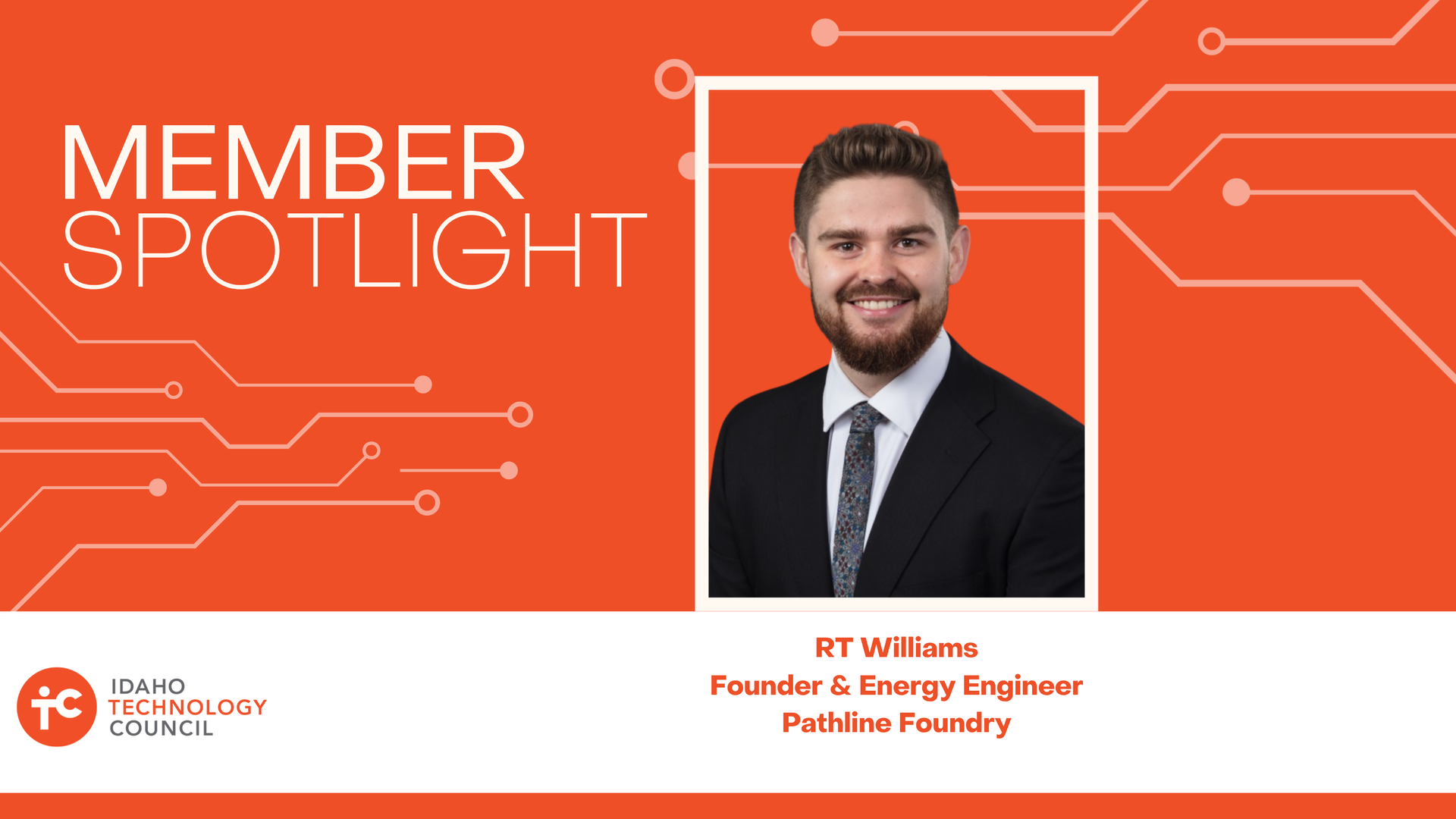
Introducing: RT Williams, Founder & Energy Engineer, Pathline Foundry Describe the business/organization you work for: Pathline Foundry is an independent energy consulting and software firm in Meridian, Idaho. I run the gamut from benchmarking and energy audits to custom software for energy strategy, management, and optimization. It's a niche offering that's widely applicable across many industries. One engineer, start to finish. See where your energy is going, so you can make a smarter decision about where it goes next. What inspired you to start your own business, or why did you decide to work for this specific organization? I want to be the person who stays and partners with those who need it most. I've been doing energy engineering since 2017, and I've kept seeing the same pattern. A building gets an audit report, the report goes on a shelf, and nothing changes. Pathline Foundry grew out of that pattern, and I build software for the same reason: the findings need somewhere to live once the engagement is over, or they end up back on the shelf. Energy gets treated as a fixed cost, a line on the bill you can't do anything about. It isn't. There's real money sitting in waste and inefficiency, and most of the people who could act on it have no spare bandwidth and limited technical staff. I wanted to make that easy to see and easy to act on. What sets this business apart from others in the industry? There's no sales team and no handoff to a junior analyst. You talk to the person doing the engineering, and that same person is still there when it comes time to implement. I build the software side myself too, so the analysis, the modeling, and the tools a client ends up using all come from one place. Where it fits, I take a share of the savings instead of a flat fee, so the work is built to pay for itself. I'm a PhD engineer and a Certified Energy Manager. I write the work so a decision-maker can understand it and an engineer can act on it. What challenges have you faced as a business owner or employee, and how did you overcome them? Starting a business in a state where nobody knows you is a slow problem, and there's no clever fix for it. My family and I moved here in 2025, and I spent a lot of that first year in rooms where I knew one person, or none. What surprised me is that it made the actual work better. I used to lead with what I found in a building. Now I ask what somebody is trying to decide first, because a room full of strangers teaches you quickly that nobody cares what you know until they know why it matters to them. That turns out to be most of the job. Idaho has been more welcoming than I expected. Almost everything I've built here started with someone making an introduction, and I look forward to growing my work to support the community that made room for me. What advice would you give to someone looking to join your industry? Go into the buildings. You can learn modeling and software anywhere, but you can't learn how a facility actually runs from a spreadsheet. Spend time with the people who operate it. They'll tell you things no data set contains, and more often than not, they already know where the waste is. About the Idaho Technology Council The Idaho Technology Council (ITC) is a member-based organization that champions innovation and collaboration to grow Idaho’s economy through technology. Representing a dynamic and growing community of entrepreneurs, industry leaders, and policymakers, ITC connects vision with action to position Idaho as a hub for innovation and opportunity. Learn more at www.idahotechcouncil.org . Connect with RT Williams on LinkedIn HERE Learn More about Pathline Foundry HERE
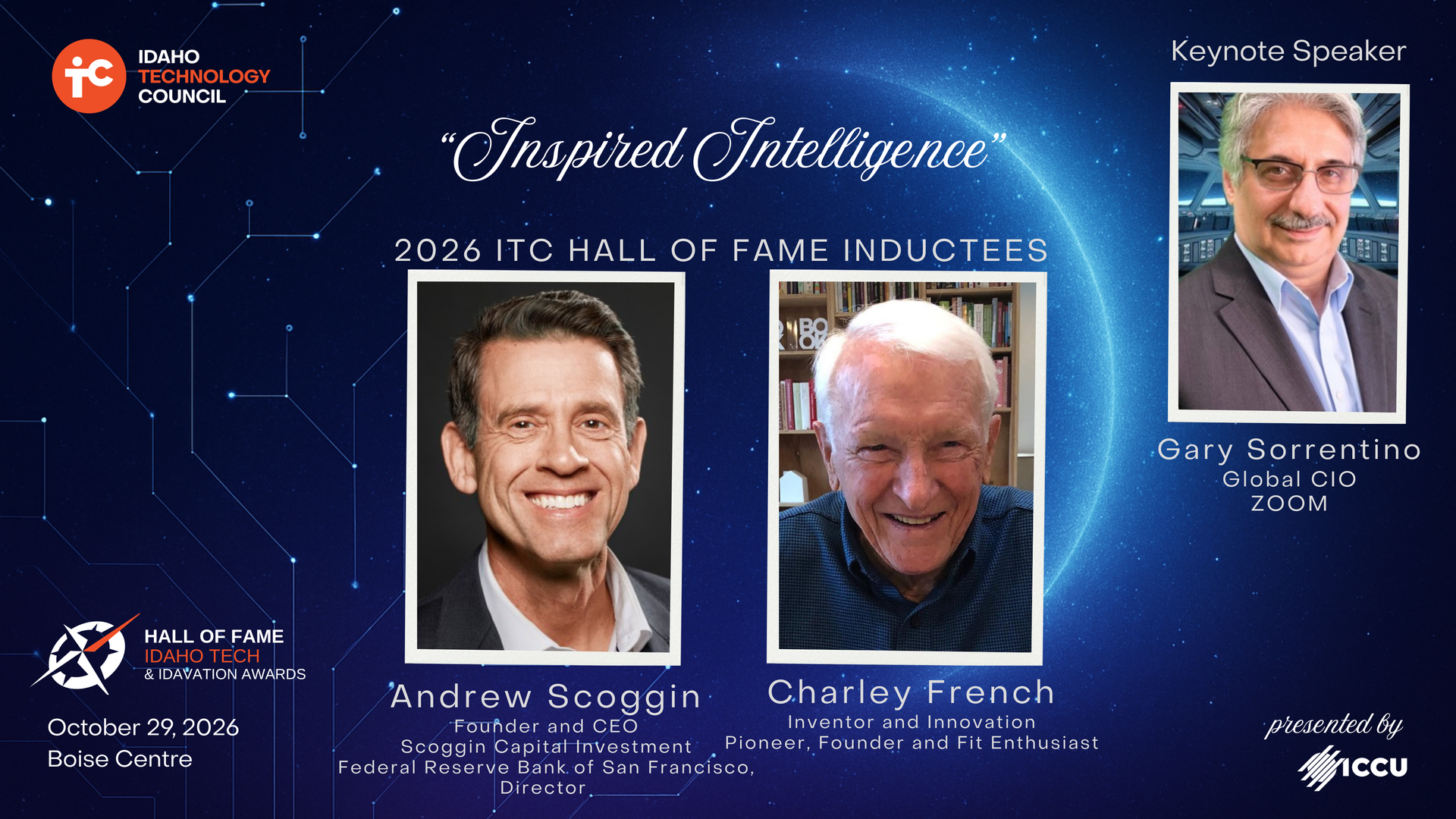
Idaho Technology Council Announces 2026 Hall of Fame Inductees, Idavation™ Award Finalists and Keynote Speaker Gary Sorrentino, CIO, Zoom
ITC partners with Coeur d'Alene Regional Chamber to host iTECH Summit Inland Northwest