TWIN FALLS, Idaho — The Idaho Technology Council's inaugural iTECH Summit Magic Valley concluded June 17 at the College of Southern Idaho with nearly 150 registered attendees, five IDEA² Pitch Competition award winners, and a clear signal that South Central Idaho is ready to lead on technology, innovation, and workforce development.
Day One · VIP Fireside Chat & Leadership ReceptionAn Invitation-Only Evening at the Herrett Center
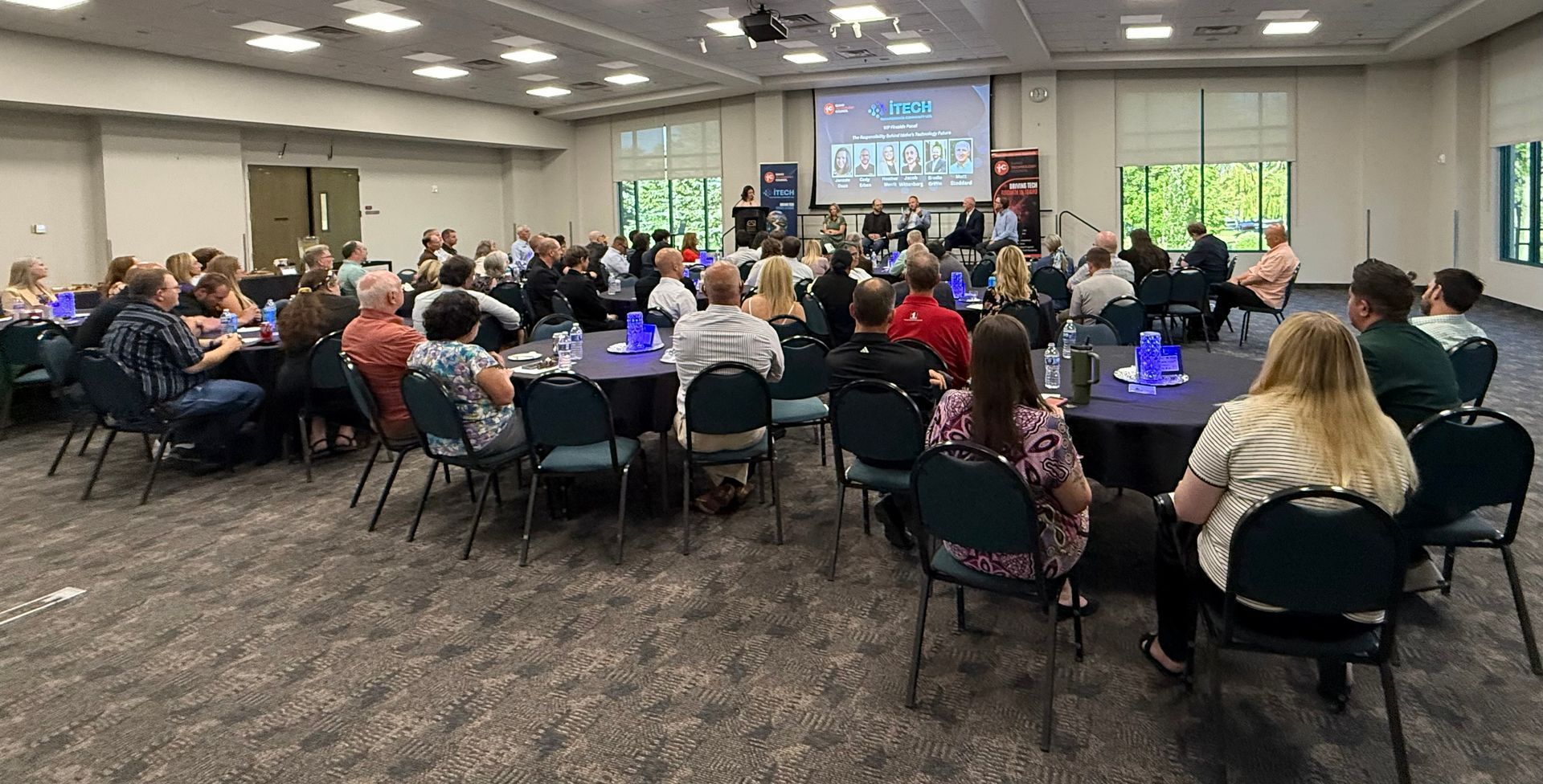
Day One opened in one of the Magic Valley's most distinctive settings — the Herrett Center for Arts and Science on the CSI campus — where regional executives, founders, and community leaders gathered for a VIP reception designed around one idea: the conversations that matter most happen in rooms like this one.
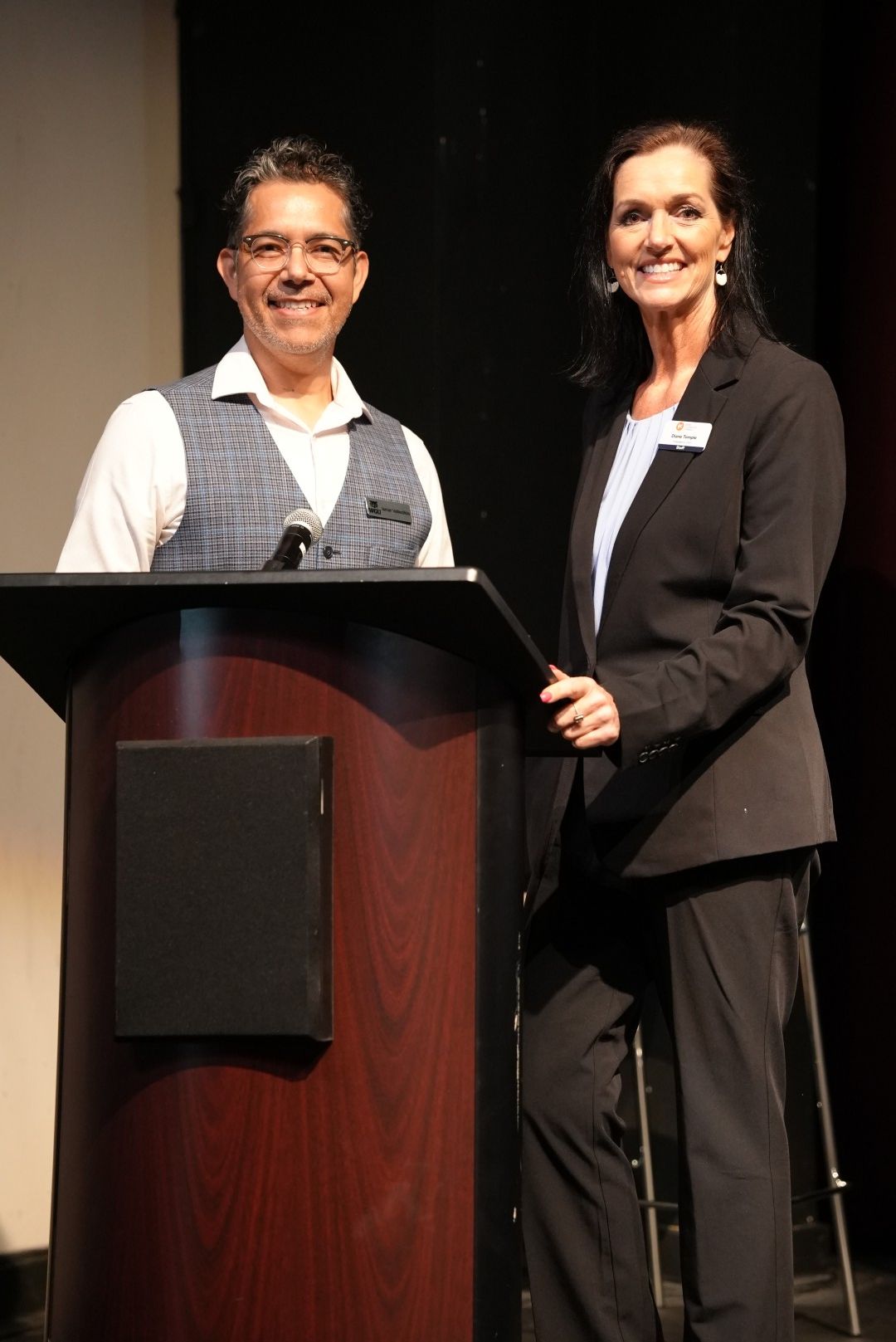
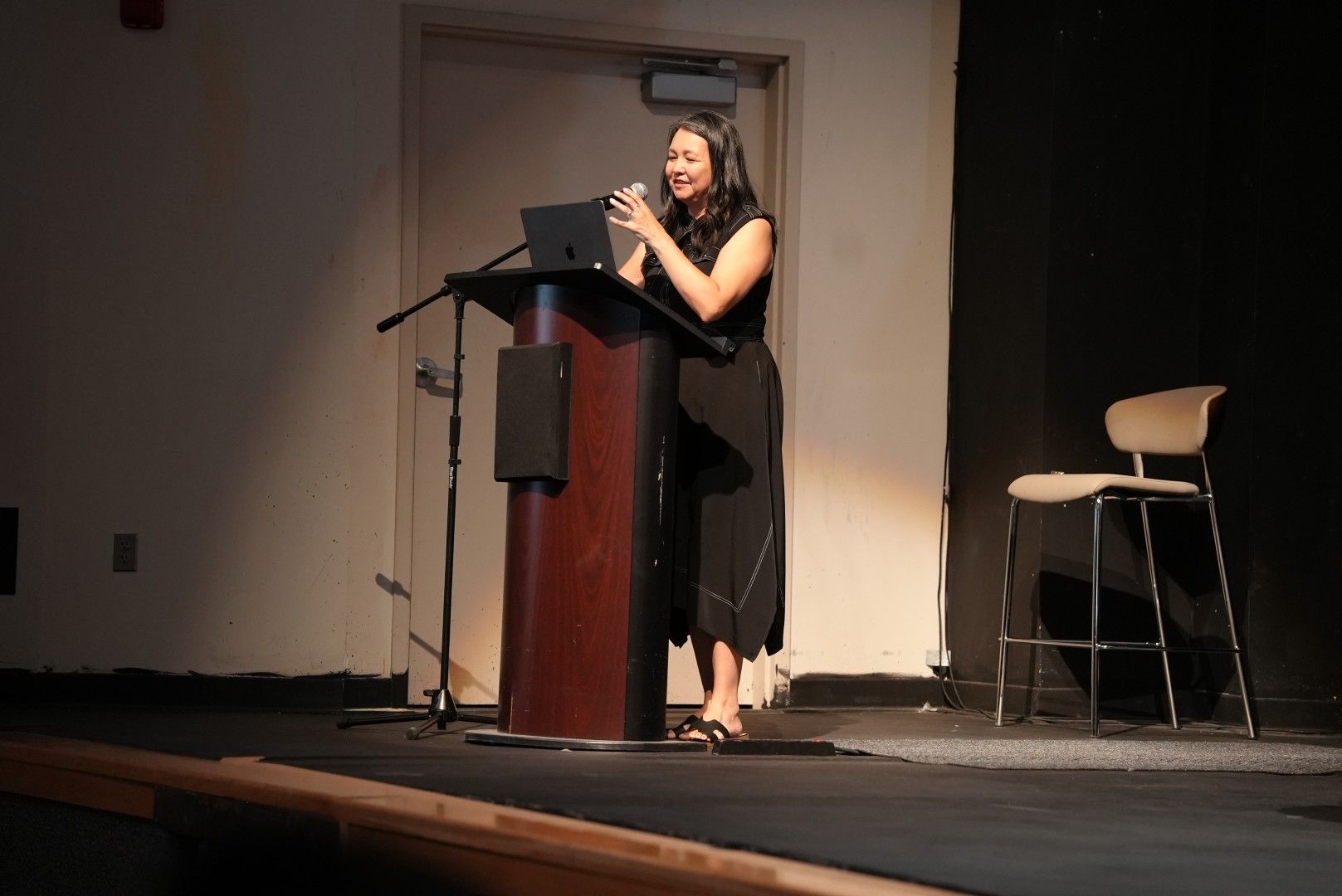
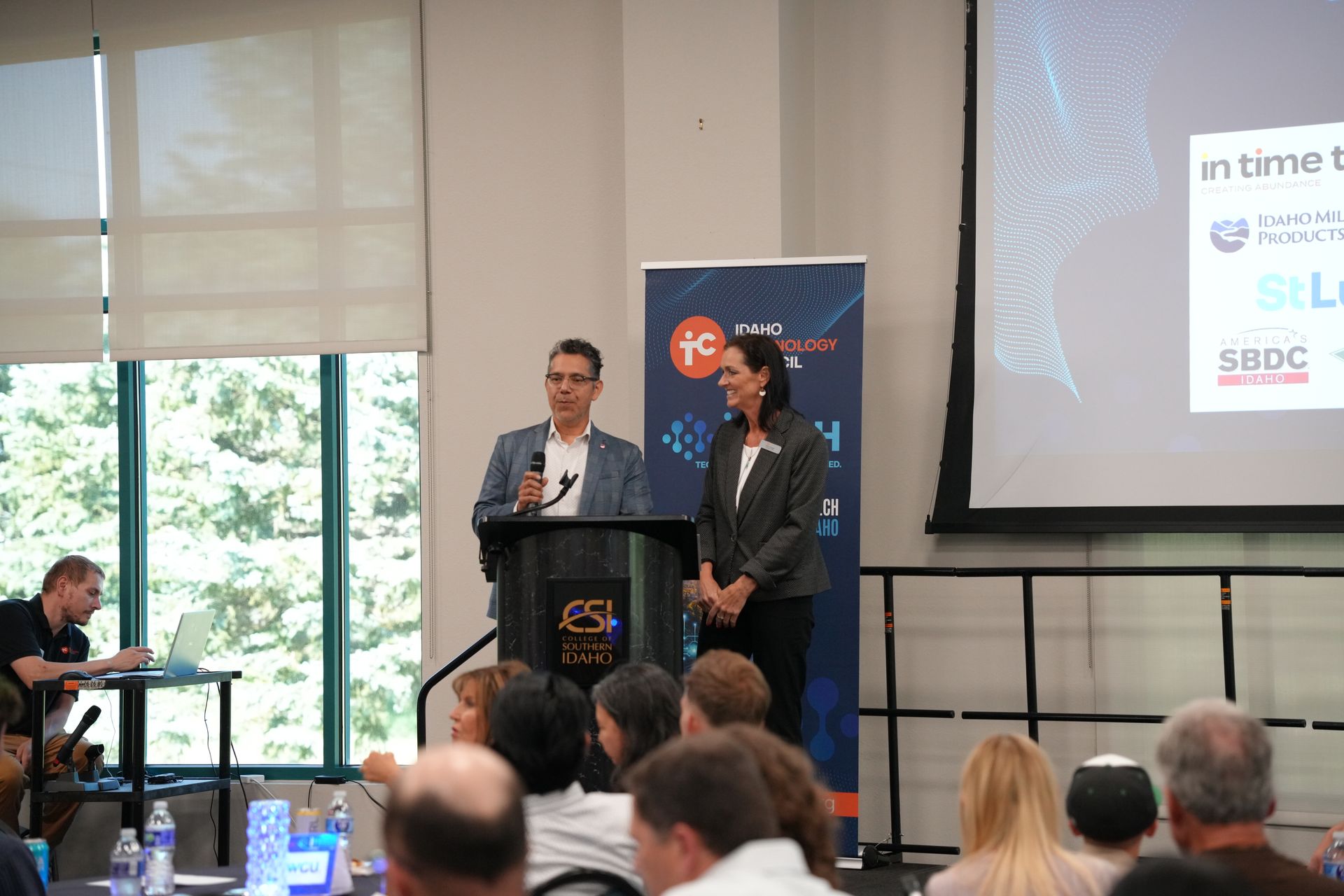
ITC President and CEO Diane Temple welcomed the room alongside co-emcee Ismar Vallecillos, Regional Director of Operations for Western Governors University, who would anchor the program across both days. "The people in this room are the ones shaping what technology looks like in southern Idaho," Temple told the assembled guests. "That is not a small thing."
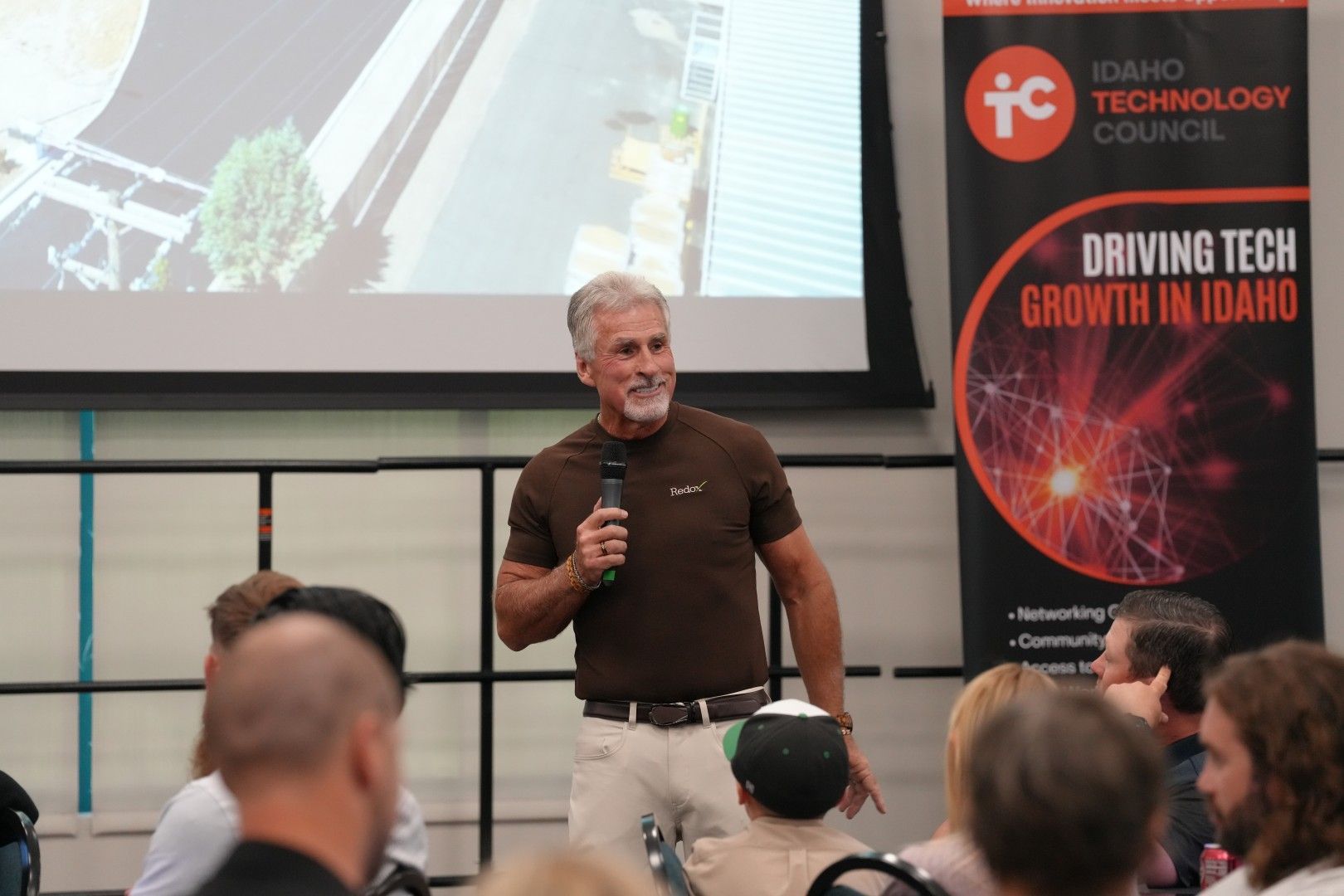
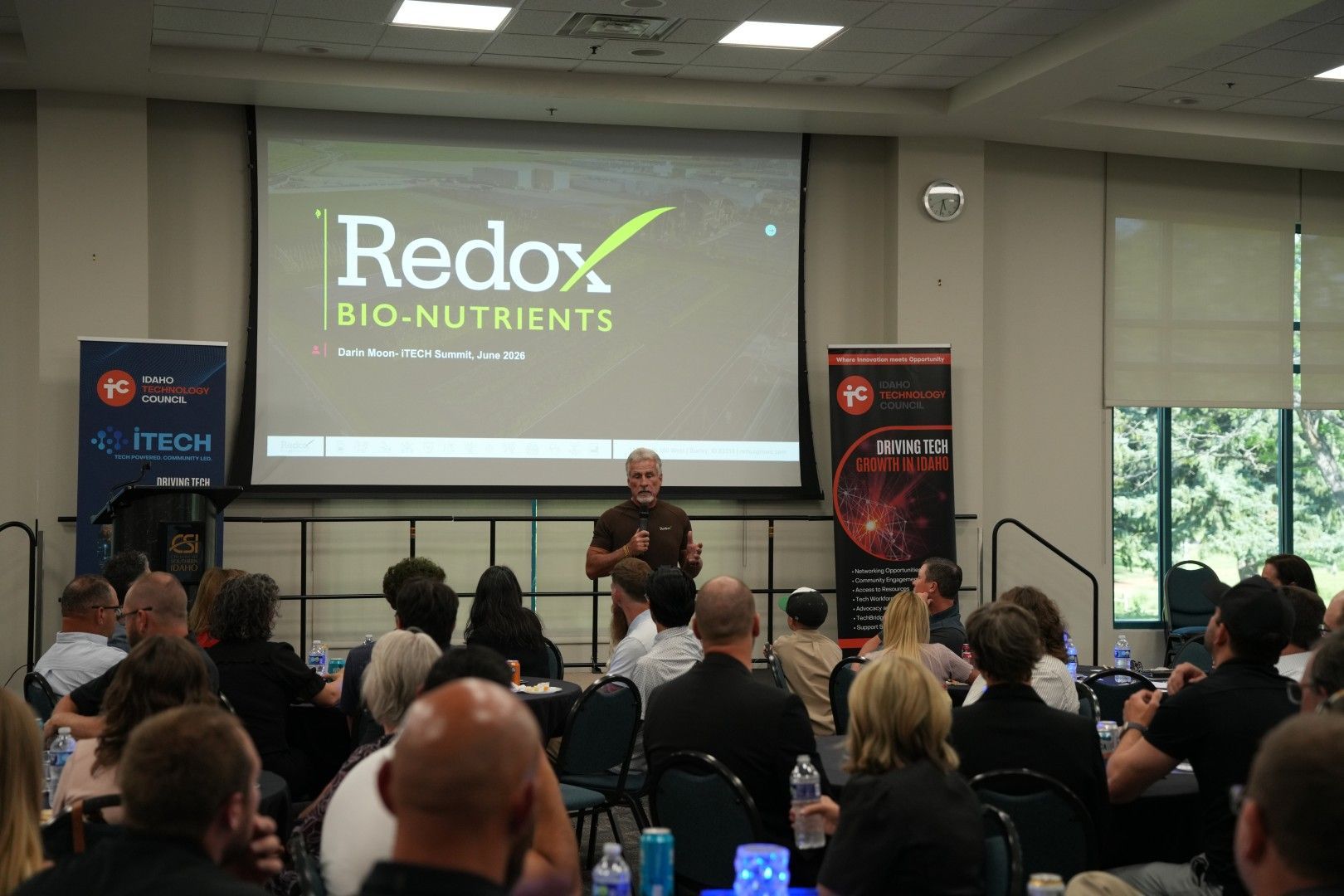
The evening's featured speaker needed no introduction in Idaho agriculture — but his story still stopped the room. Born and raised on a small family farm in Heyburn, Idaho, Darin Moon channeled grief, soil science, and stubborn optimism into founding Redox Bio Nutrients out of Burley in 1994. What began from humble beginnings — motivated in part by the early loss of his father, a high school biology teacher, to cancer — has grown into a global leader in sustainable crop nutrition sold across the United States and internationally.
Moon walked the room through an entrepreneurial journey defined not by venture capital or coastal tech campuses, but by the people around him. His message landed with particular force: surround yourself with people you genuinely trust, and then actually trust them. That trust, he said, was not a soft value — it was the most essential ingredient in everything Redox became. For a room full of executives navigating AI adoption, organizational change, and workforce uncertainty, it was the grounding reminder the evening needed.
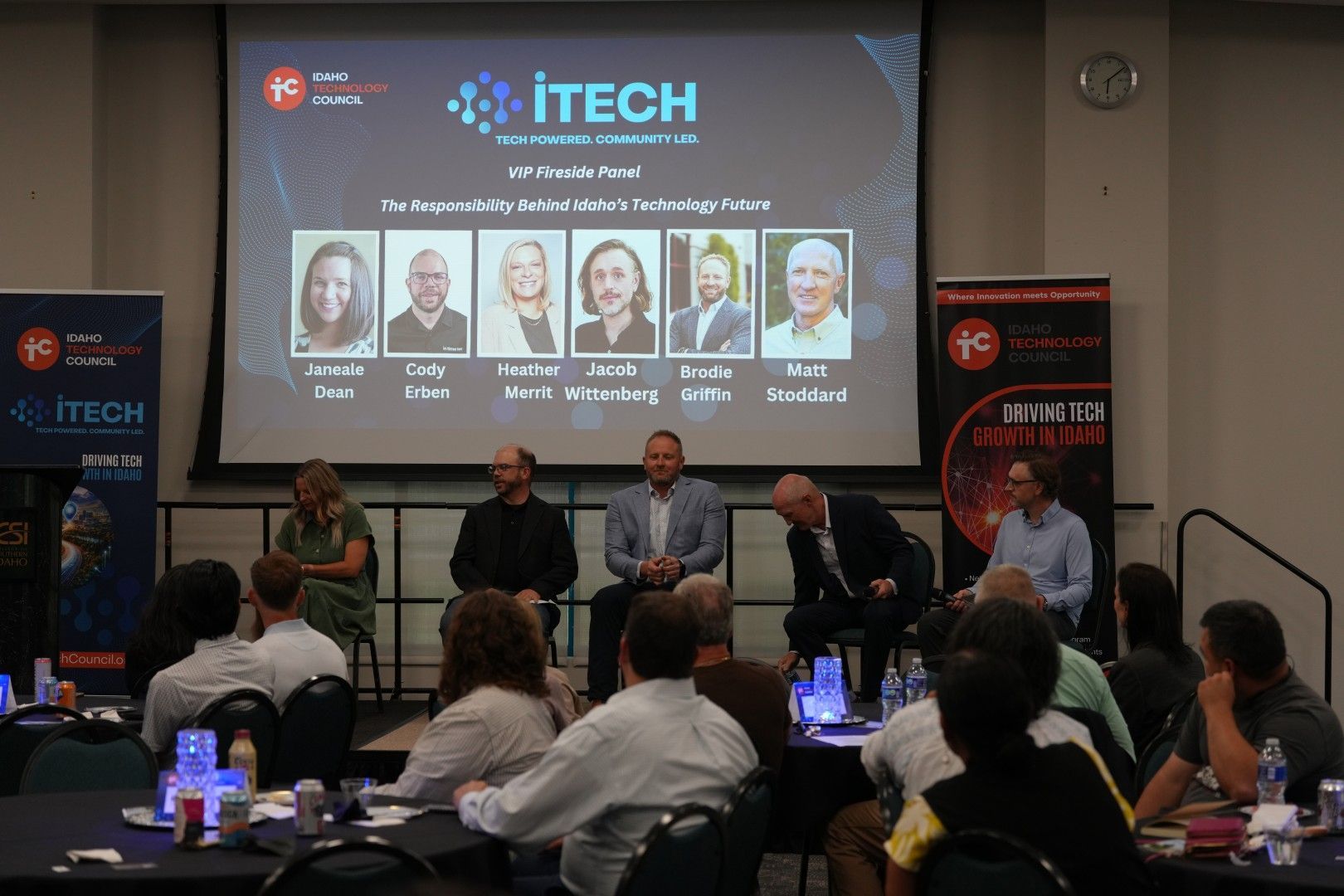
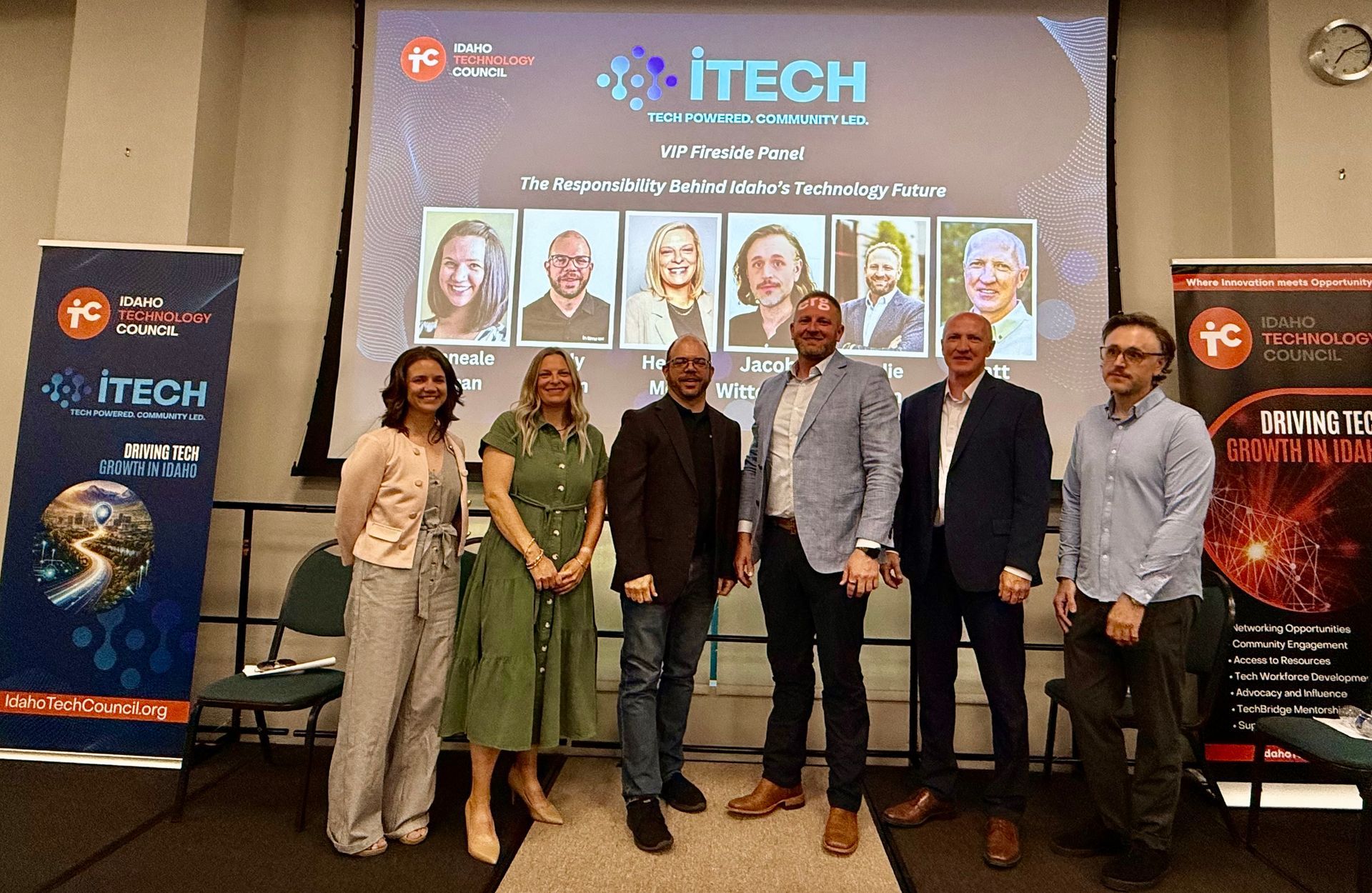
The Responsibility Behind Idaho's Technology Future
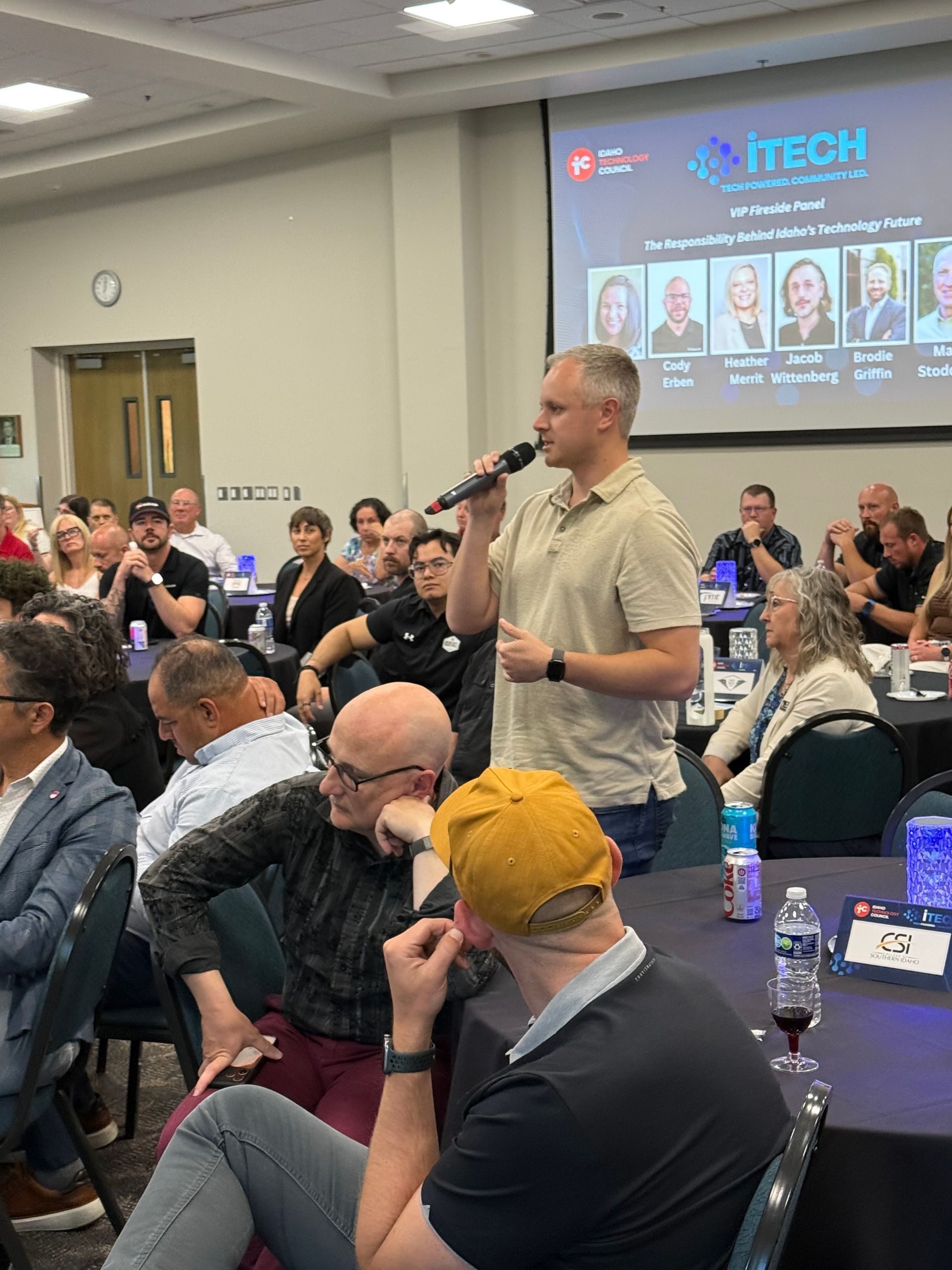
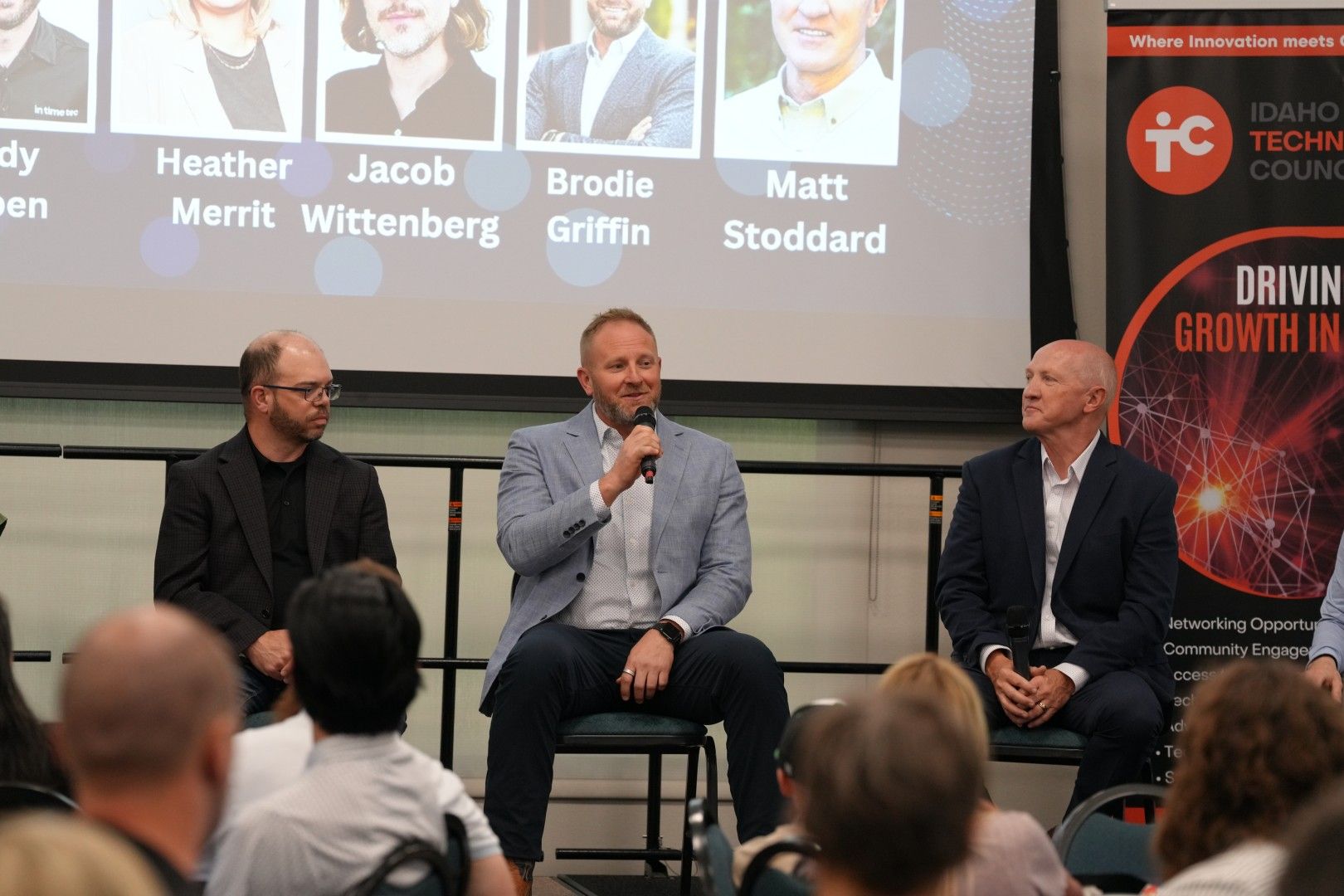
The evening's fireside conversation gave way to a candid executive panel moderated by Janeale Dean, Founder of Desert Creative Group, with panelists representing healthcare, industrial operations, data science, and technology leadership: Heather Merritt (IHT Director, Business and Specialty Services, St. Luke's Health System), Jacob Wittenberg (Senior Vice President, Desert Creative Group), Brodie Griffin (Vice President of Operations, Amalgamated Sugar), Matt Stoddard (Senior Manager of Data & Analytics, Idaho National Laboratory), and Cody Erben (CTO, In Time Tec). Together they explored what responsible technology leadership actually requires when AI is no longer coming — it has arrived.
Day Two · iTECH Summit Twin Falls · Fine Arts BuildingA Full Day at the Intersection of Innovation and Community
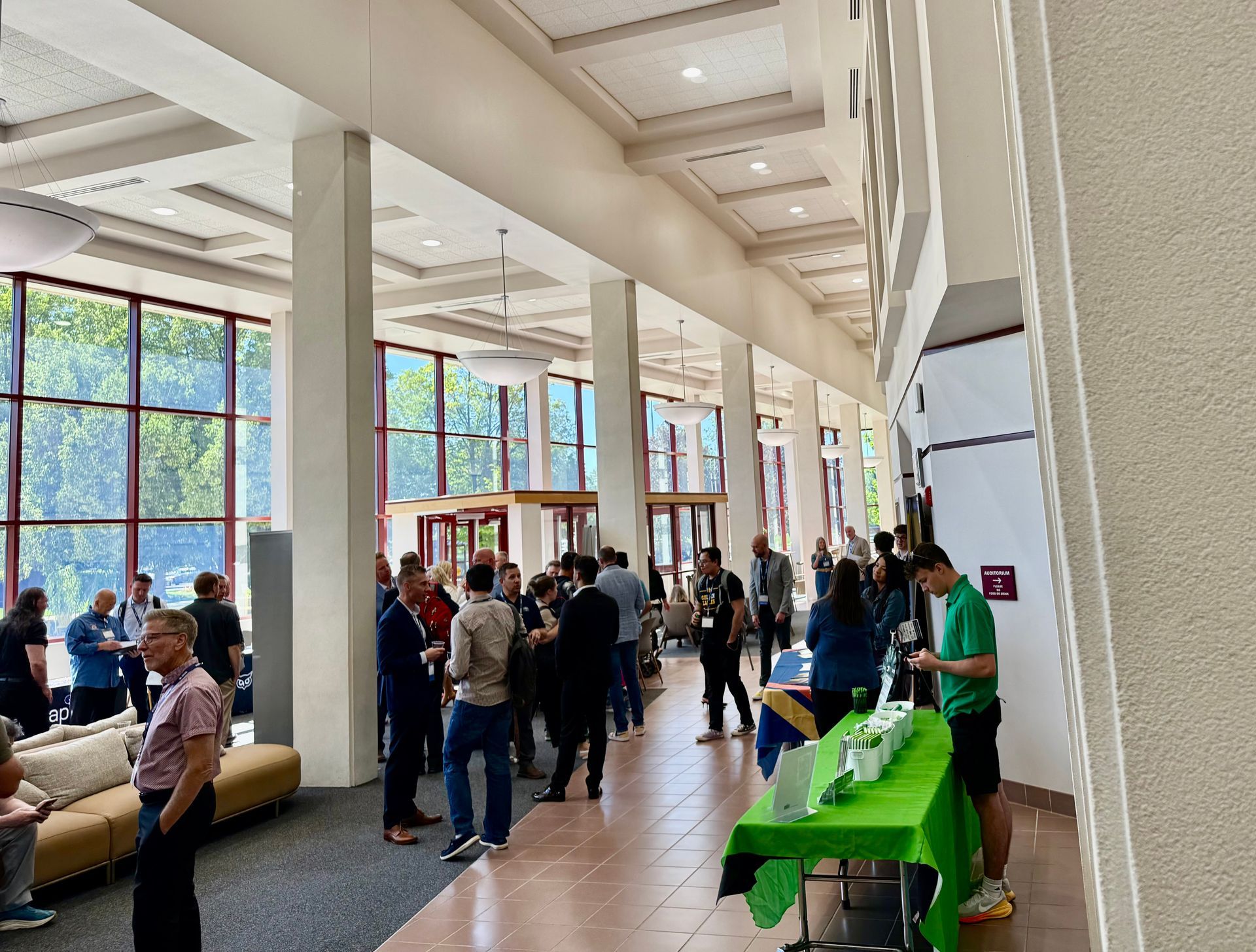
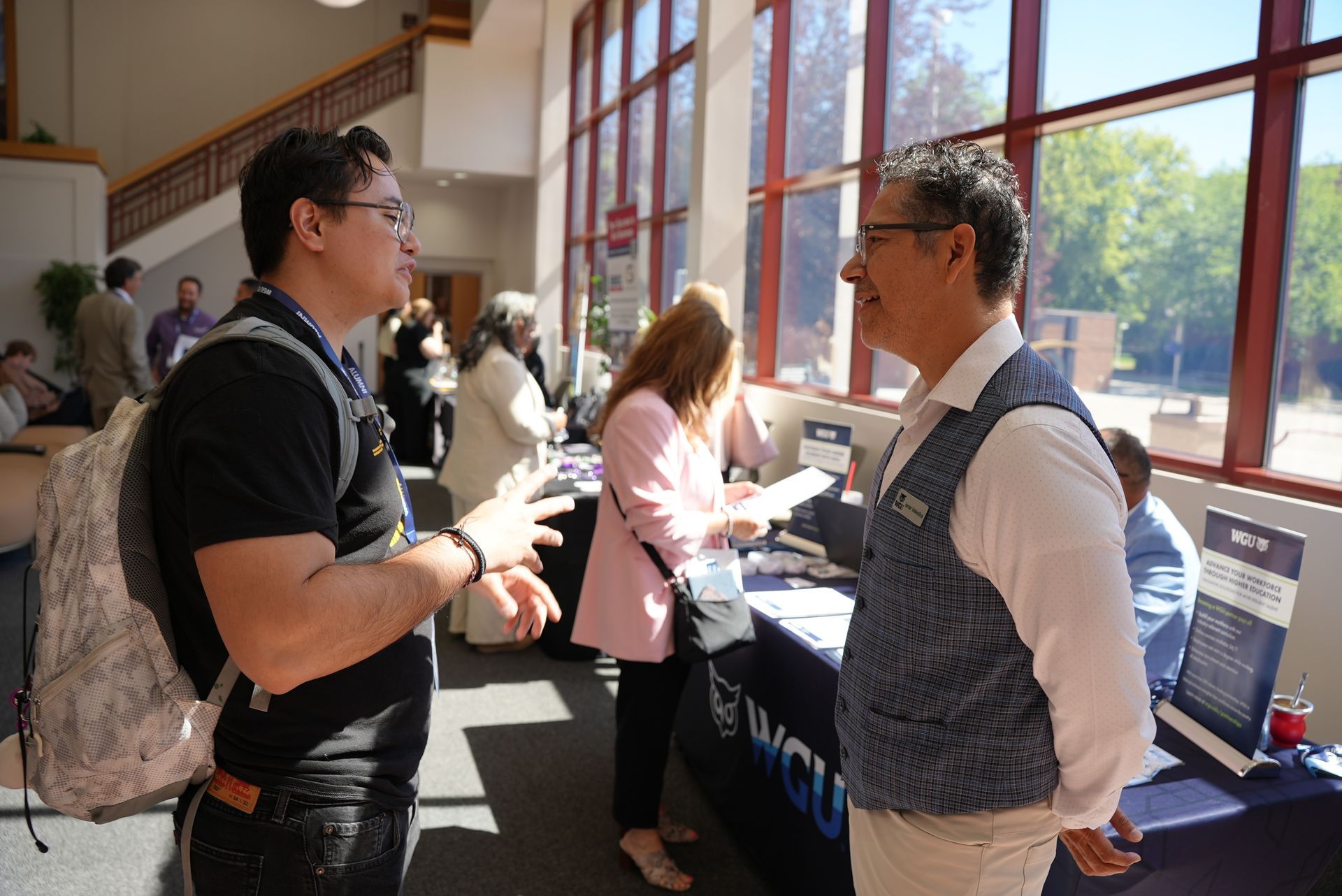
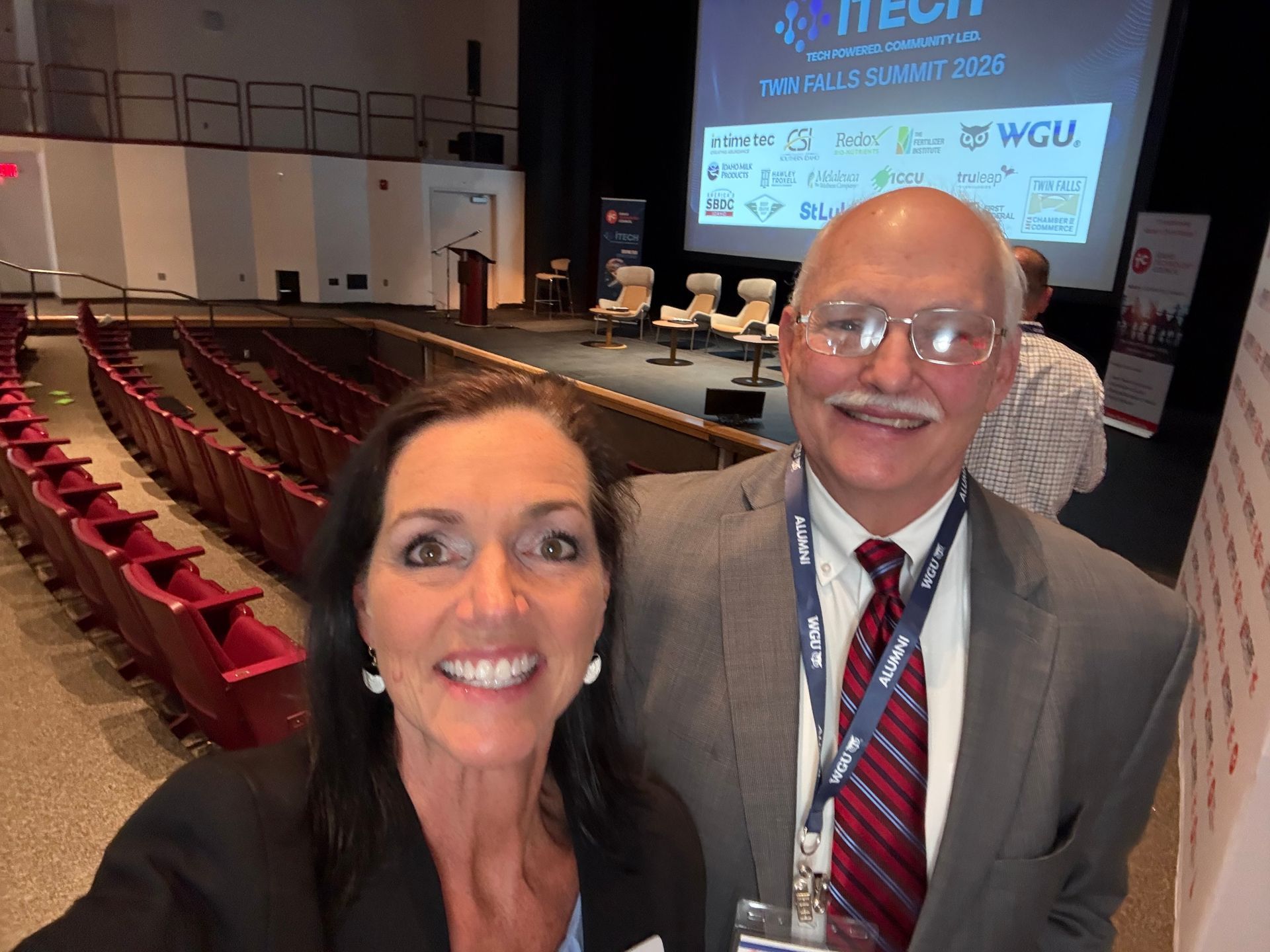
Day Two opened with registration, networking, and an Innovation Expo that filled the Fine Arts Building lobby before the theatre program launched at 9:00 AM. By the time the morning was underway, it was clear this community had shown up with intention.
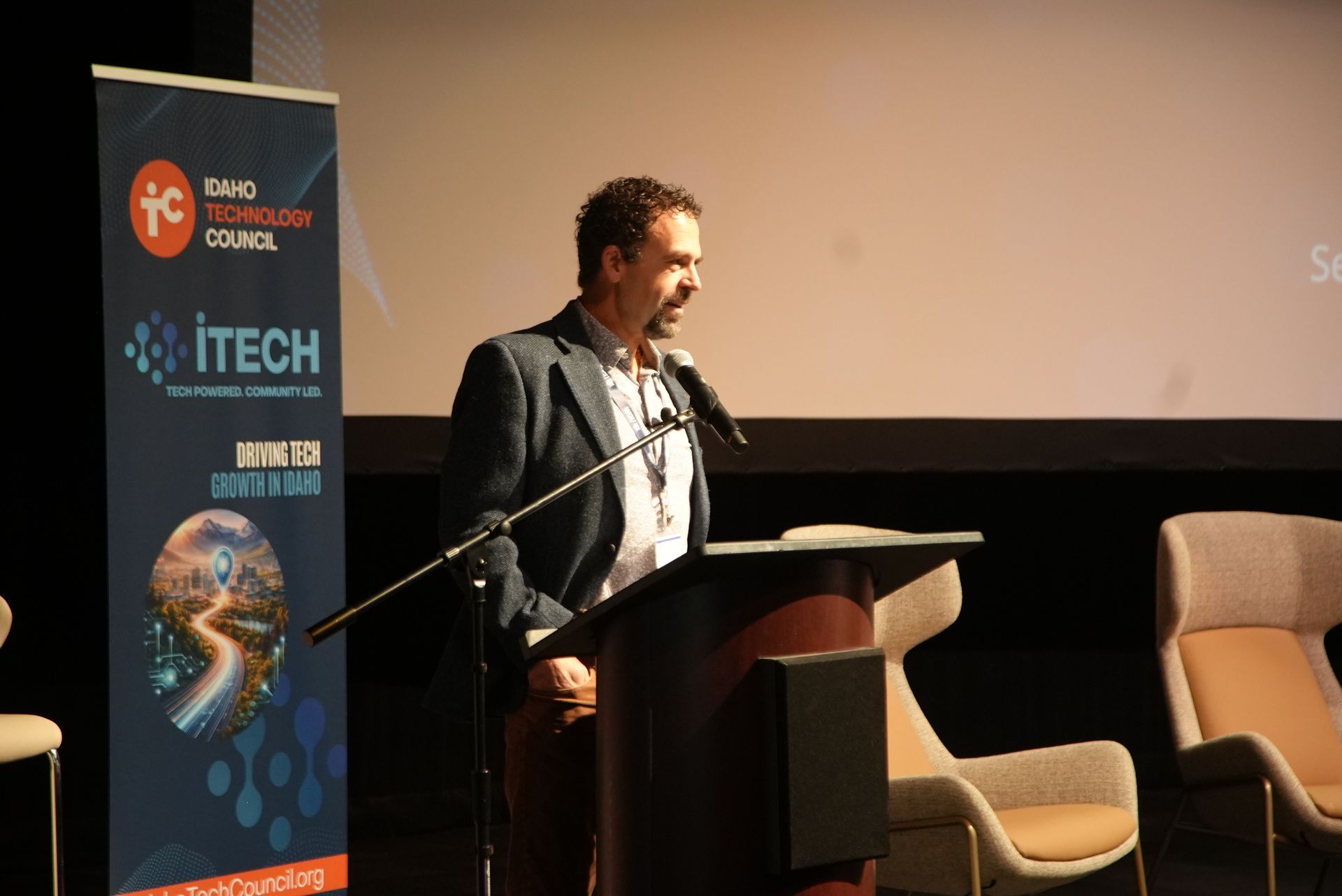
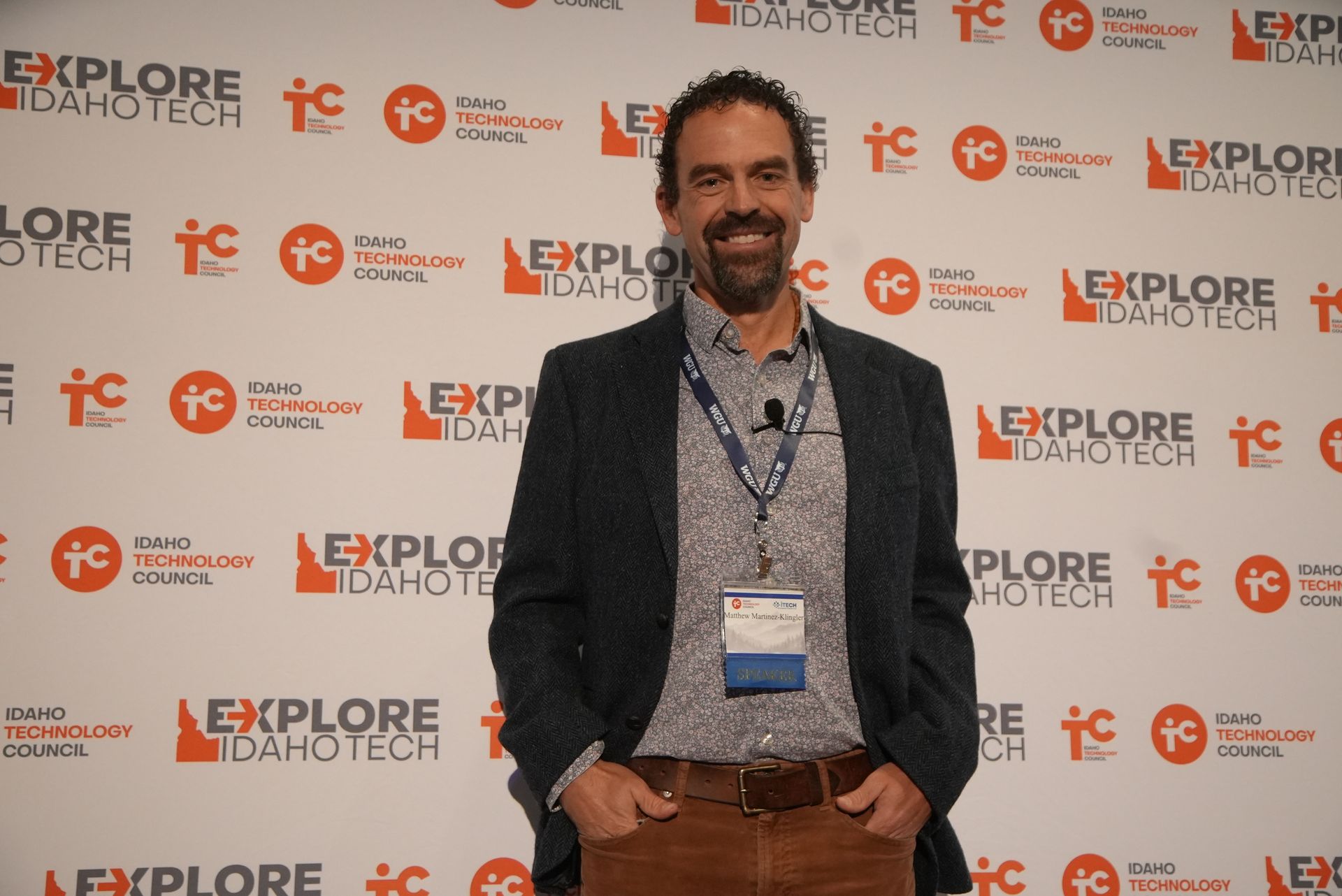
Matthew Martinez-Klinger set the stage for the entire day — and did it with a metaphor that stayed in the room all afternoon. His keynote, "The Tsunami of AI," was not a warning. It was a reckoning. AI is here, he told the audience, it is not going anywhere, and like a tsunami, it is ever-evolving and impossible to tame by force alone.
What organizations can do — and must do — is build guardrails. His message to every leader in the room: get AI responsibly into the hands of your employees. Let them be innovative. Let them find the solutions leadership has not thought of yet. As the architect of Melaleuca's AI Center of Excellence, Martinez-Klinger brought operational credibility to every point, and his framing of the day proved apt — every conversation that followed traced back to the question he planted first: not whether to adopt AI, but how to do it with wisdom and accountability.
Meet the Boss LIVE: The Future of Work
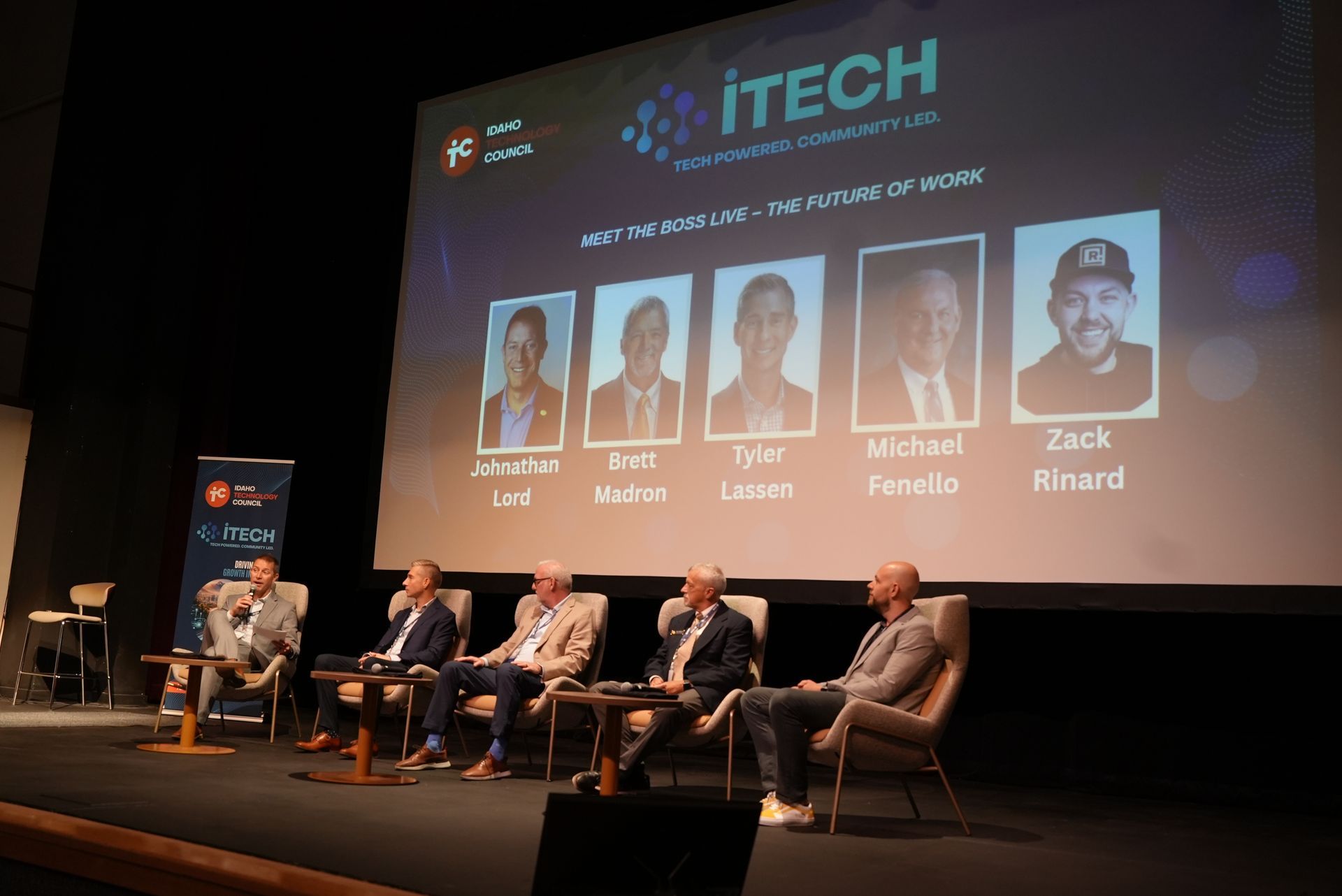
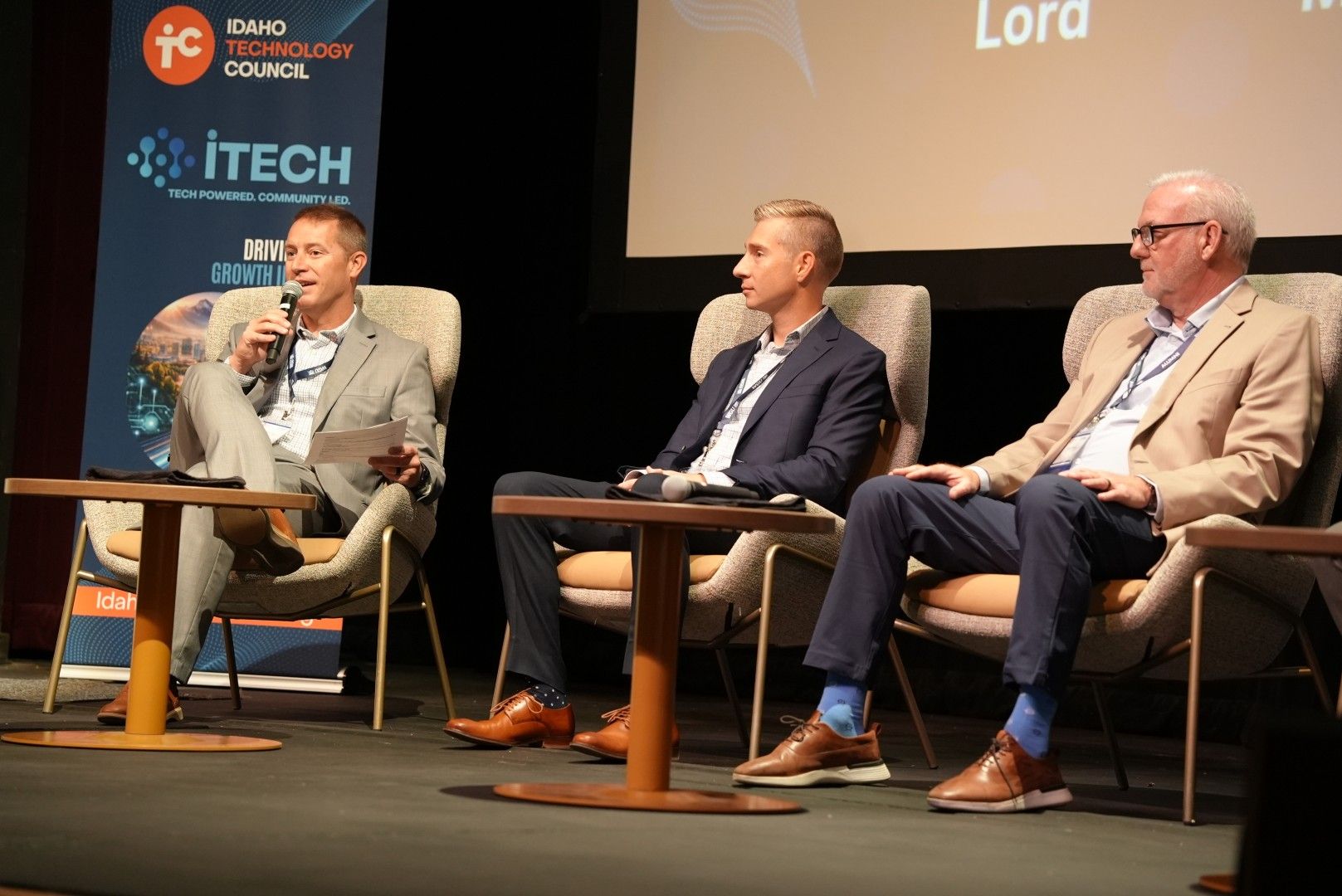
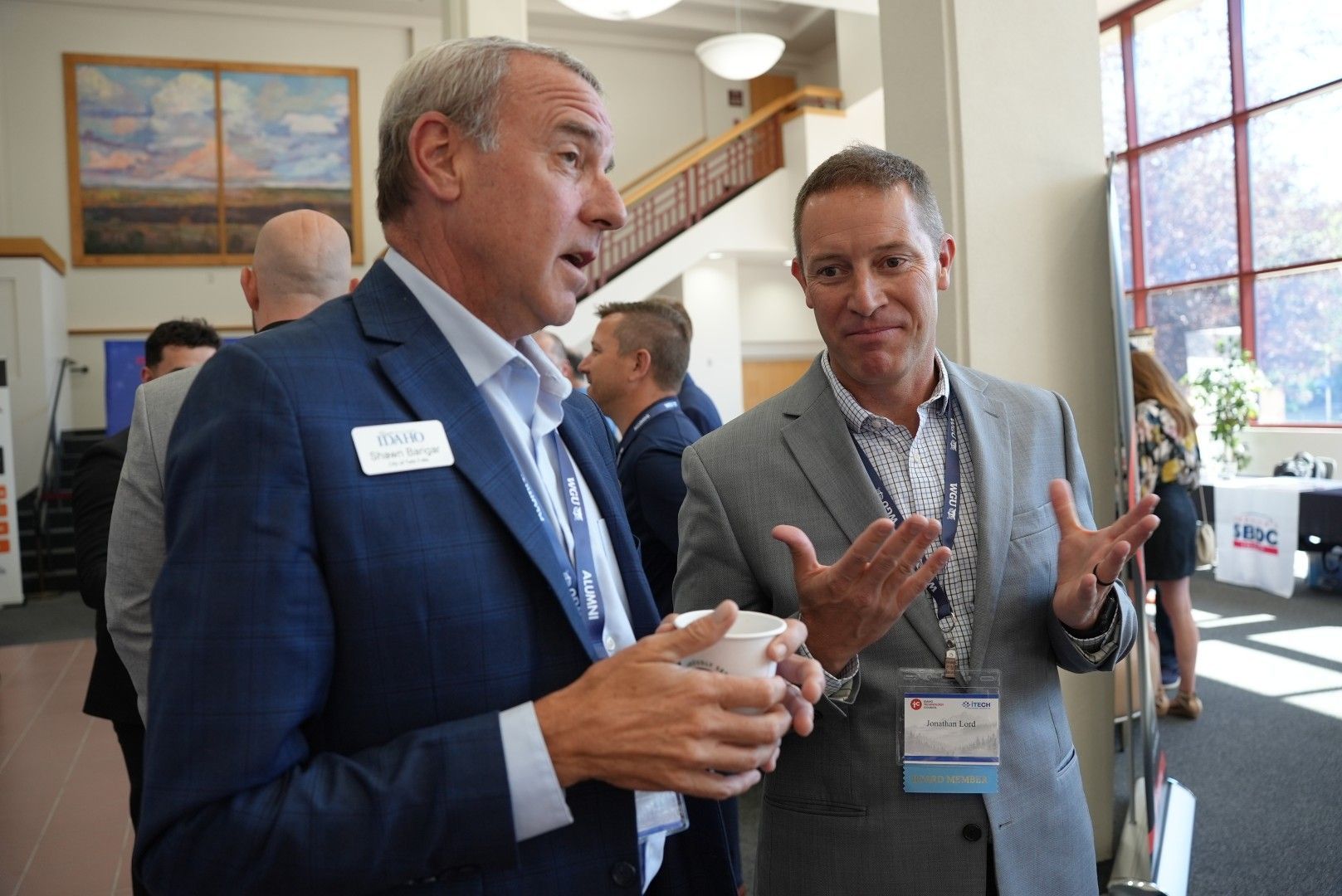
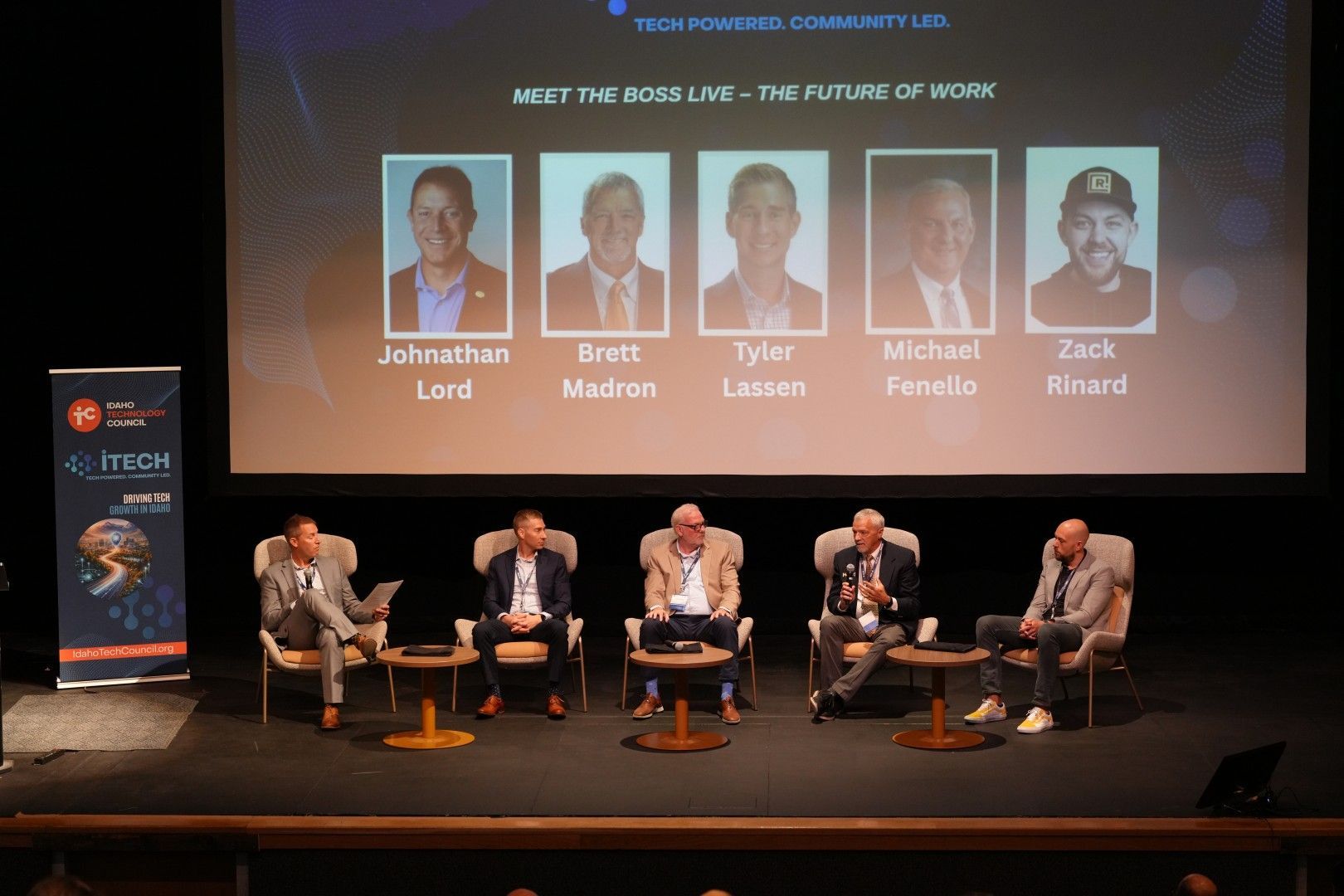
Moderated by ITC board member Jonathan Lord, this employer-focused panel delivered the frank conversation working professionals and students came to hear. Panelists Brett Madron (Sr. Director of Workforce Development and Training, College of Southern Idaho), Michael Fenello (Vice President, St. Luke's Health System), Tyler Lassen (Director of Information Technology, Idaho Milk Products), and Zach Rinard (CEO, Rinard Media) spoke directly about the skills employers value most today, how AI is reshaping teams and hiring, and what it means to recruit and retain talent in a region that is evolving fast.
Recognized among Seattle Business magazine's "Daring Women" and the Puget Sound Business Journal's Power 100, Dr. Drake brought a keynote that met the room exactly where it was. Her presentation, "Human Potential in the Age of AI," opened with a sobering truth: technology skills have a shelf life, and that shelf is getting shorter.
Continuous learning and reskilling are not optional enrichment, she argued — they are the career strategy. WGU's model of competency-based, flexible, accessible education exists precisely for this moment, and Dr. Drake made the case with both data and conviction. Human potential, she noted, is the one resource AI cannot replicate. The opportunity is to invest in it intentionally.
IDEA² Pitch CompetitionIdaho's Next Wave of Entrepreneurs Takes the Stage
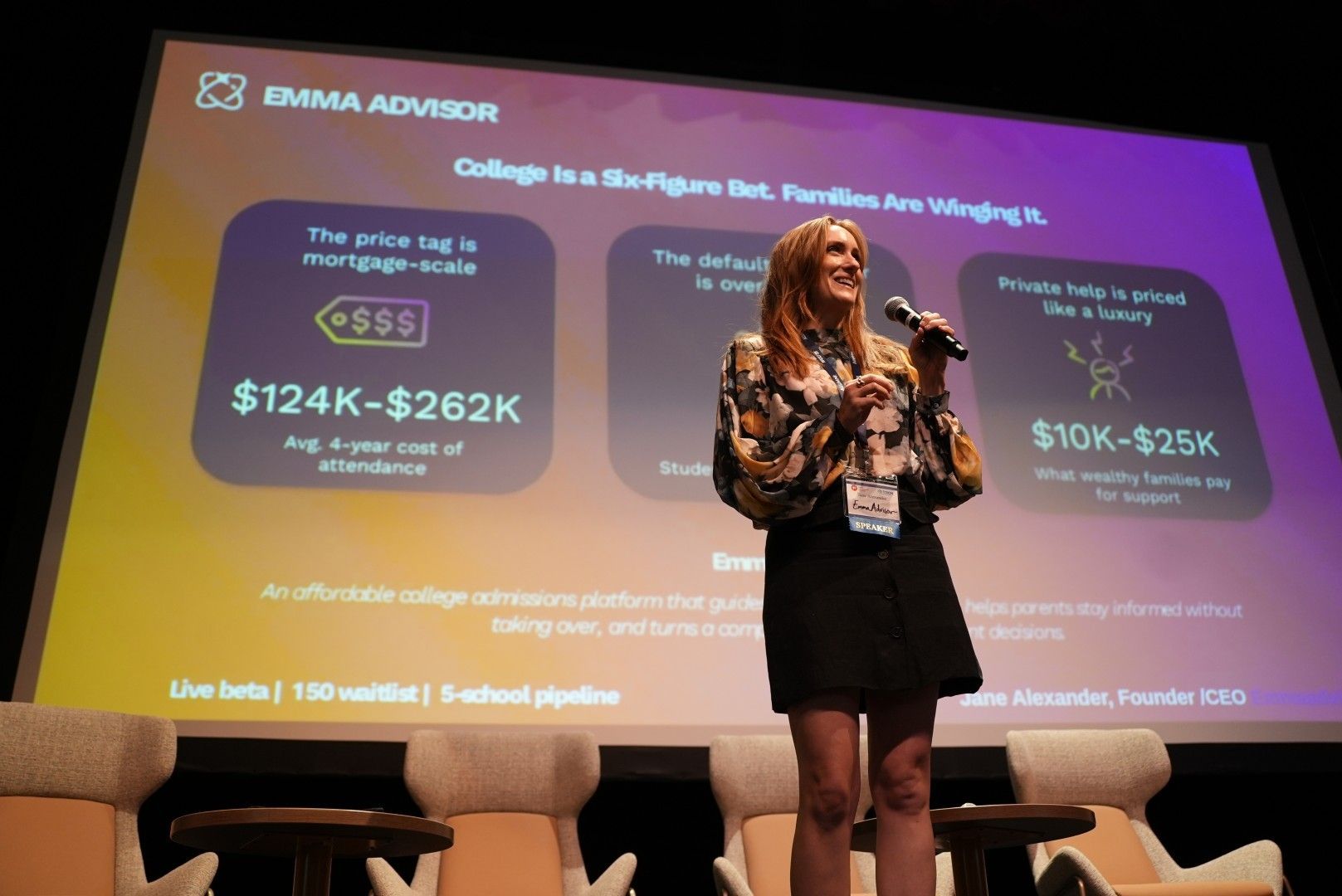
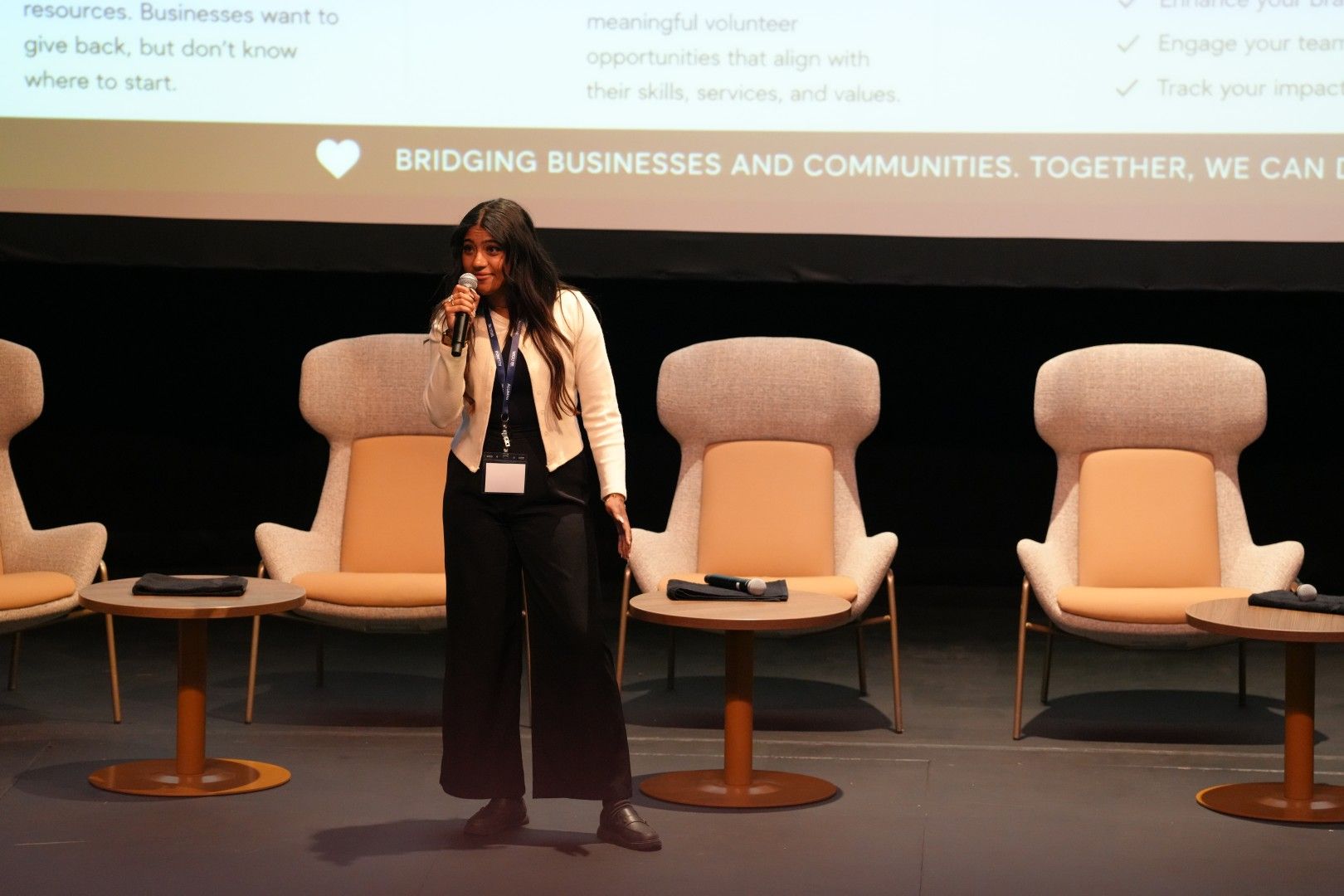
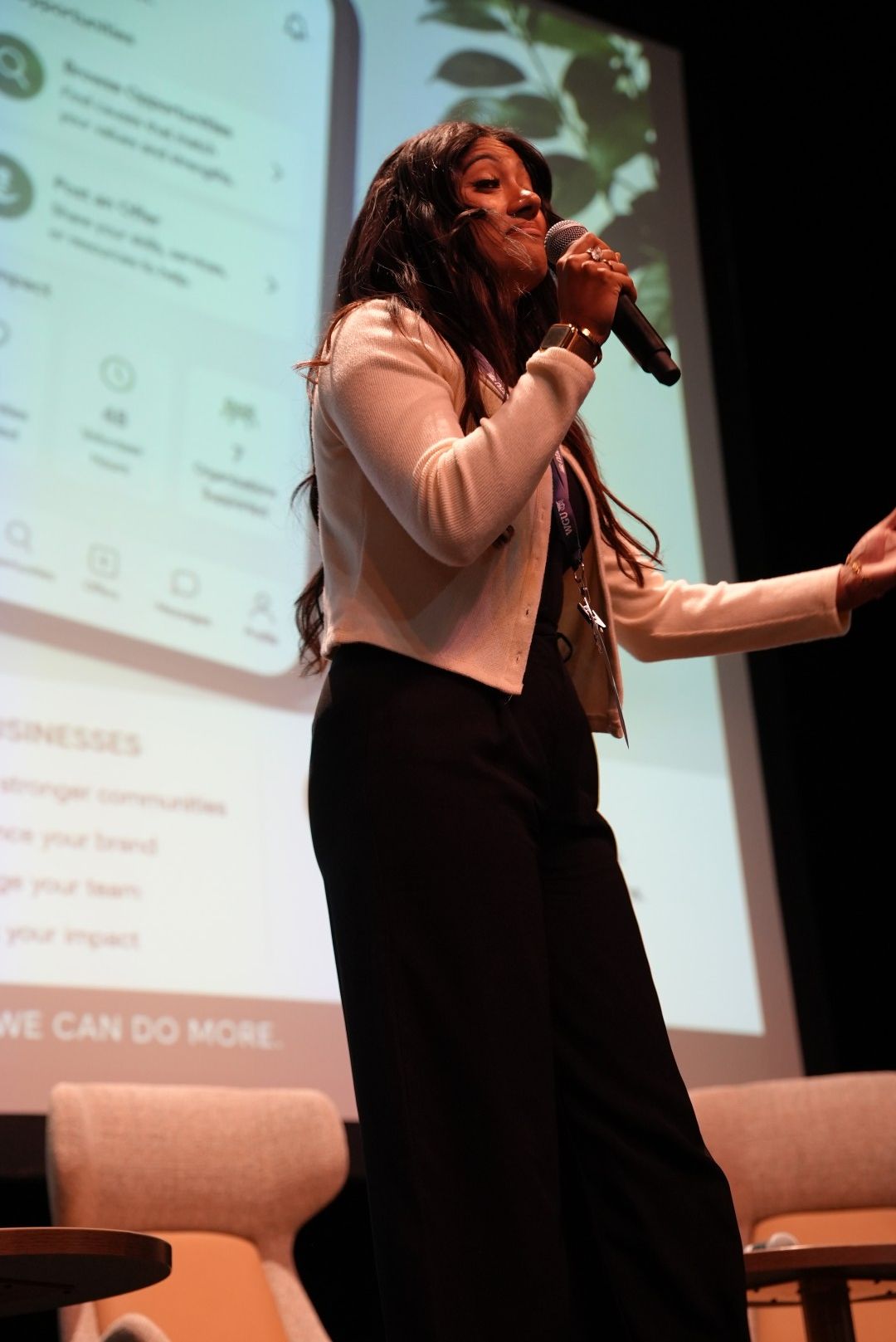
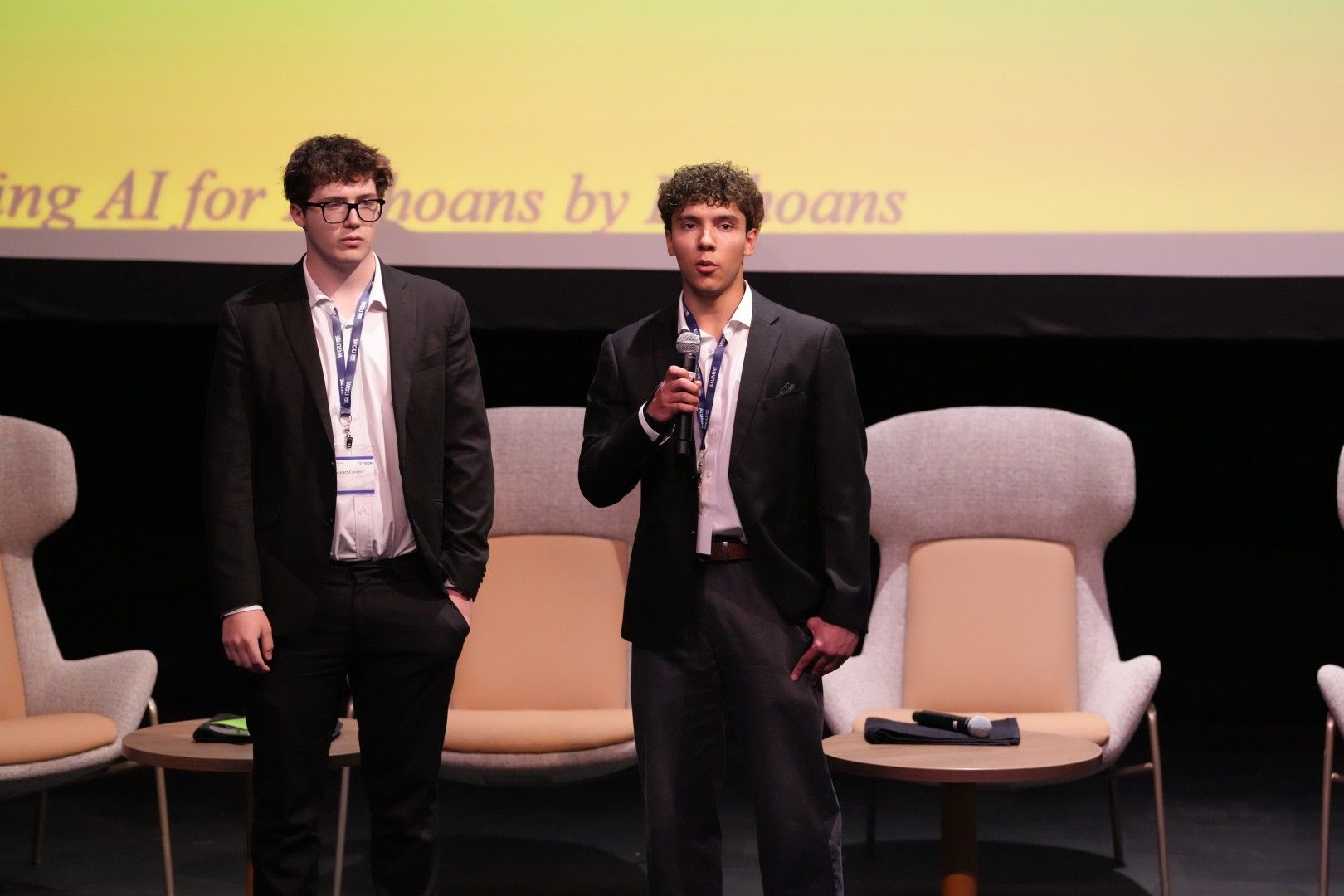
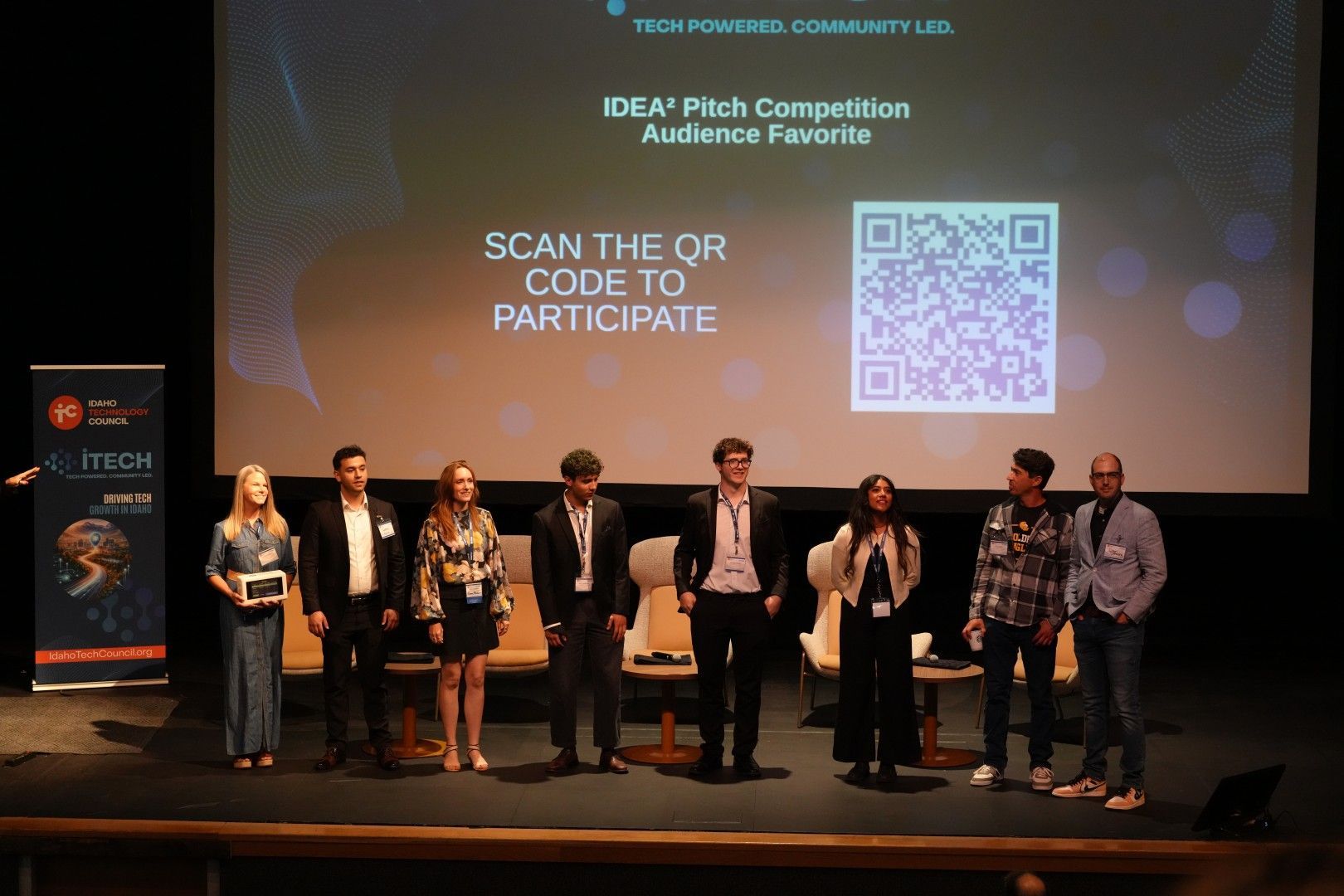
The IDEA 2 Pitch Competition — Innovation, Development, and Entrepreneur Access — delivered one of the summit's most electric moments. Entrepreneurs, students, and innovators pitched their ventures to a live judging panel before heading to the Taylor Building to network one-on-one with judges while the general audience broke for lunch. The energy in that room told the whole story: South Central Idaho has ideas worth backing.
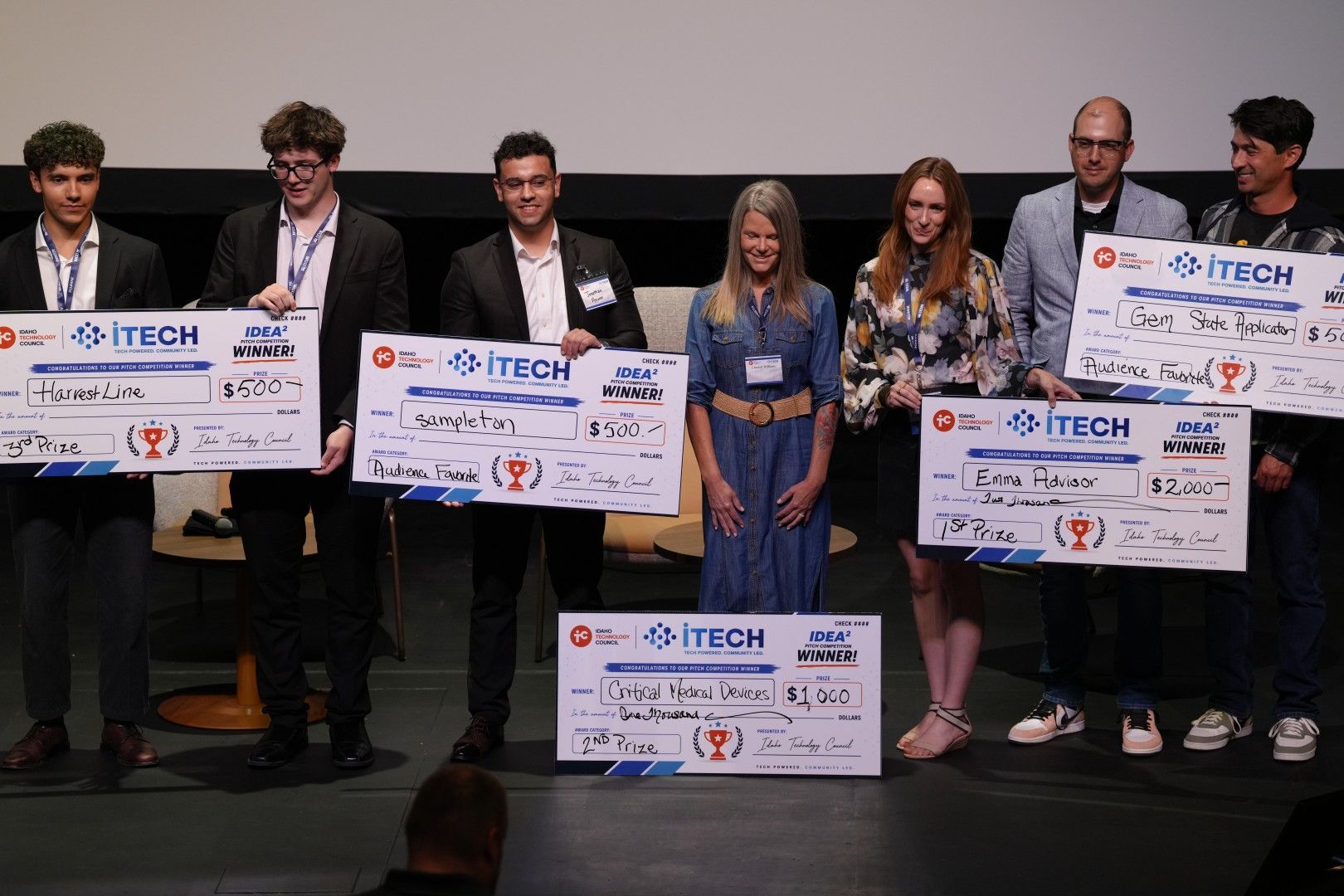
Cash prizes generously provided by ICCU and Redox Bio Nutrients were awarded as follows:
Emma Advisor
The operating system for families navigating high school and college planning
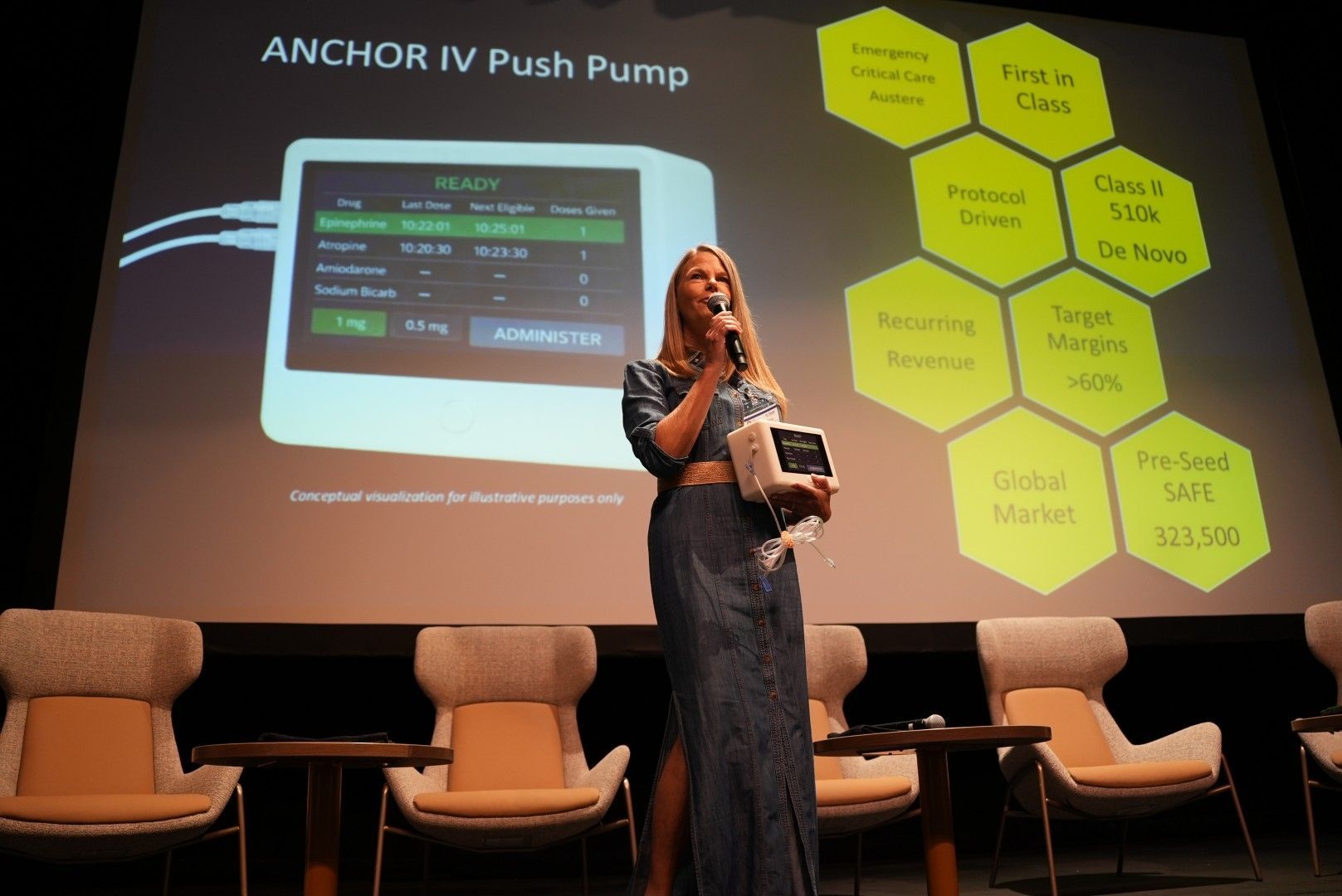
Critical Medical Devices
HarvestLine
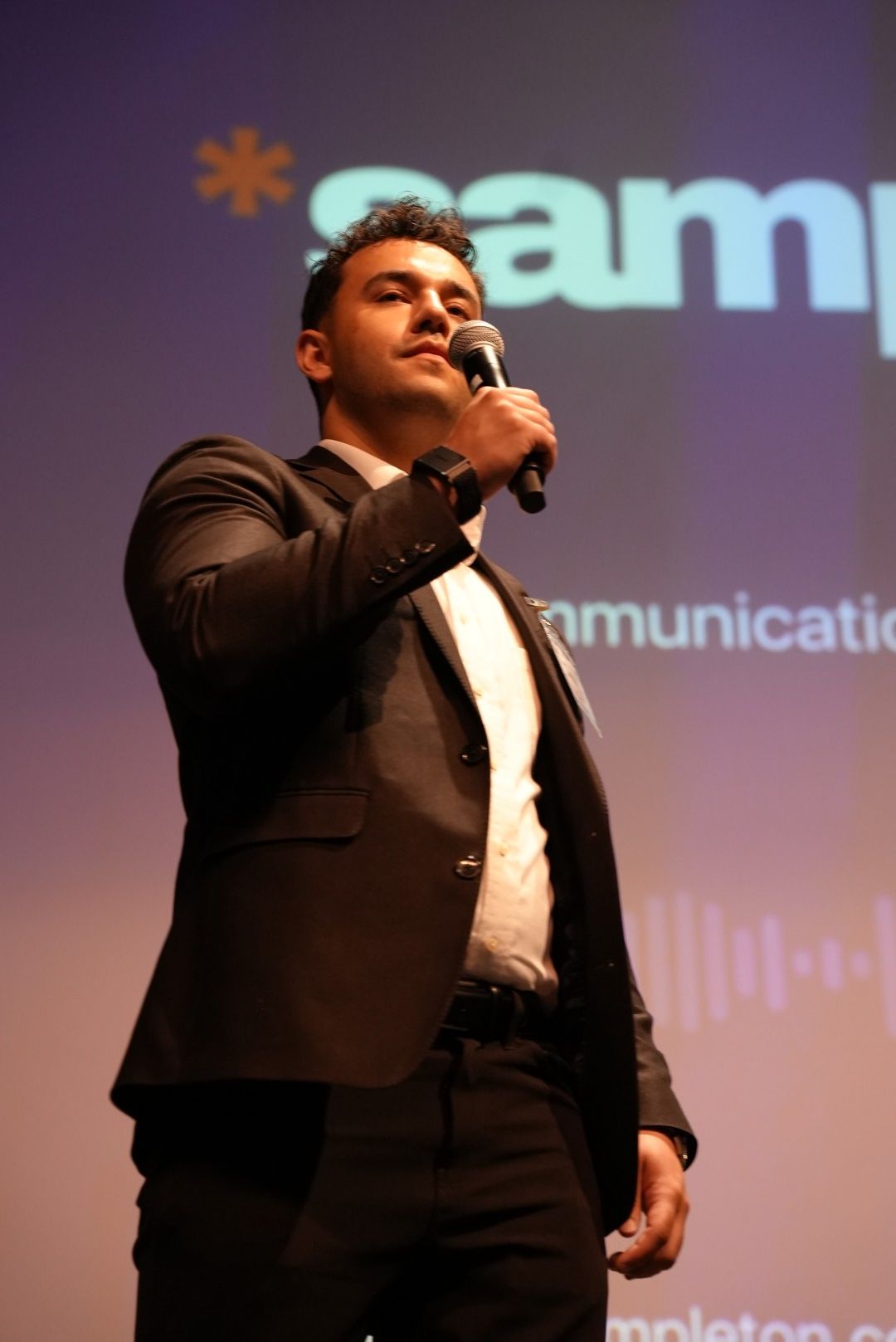
Sampleton & Gem State Applicators
Co-winners of the audience vote
Congratulations to every competitor who stepped onto that stage. Pitching in public takes courage, and every one of them demonstrated that the entrepreneurial spirit in the Magic Valley is very much alive.
Afternoon SessionsFrom Niche Markets to Legal Guardrails to Connected Communities
Idaho Innovators You Should Know
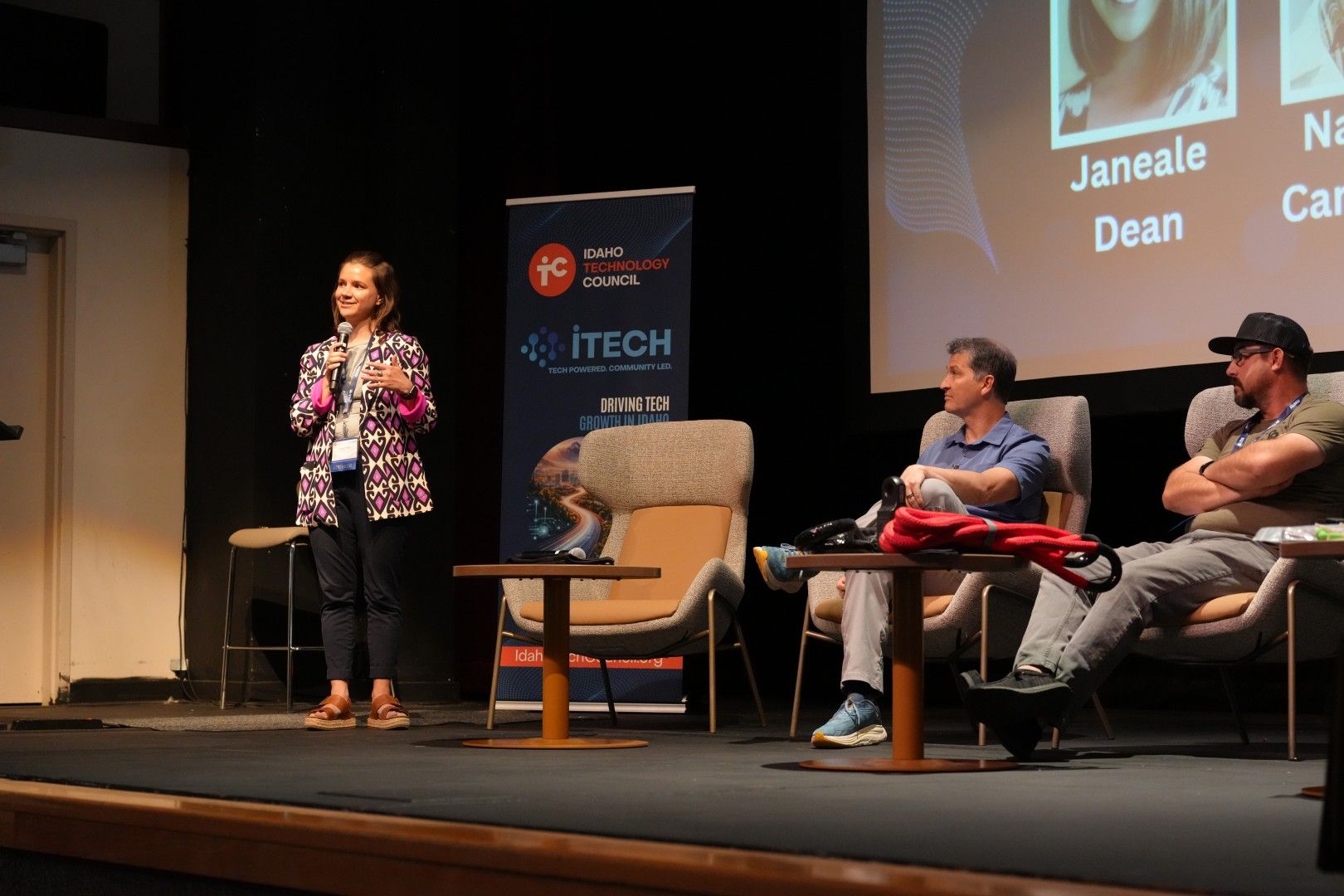
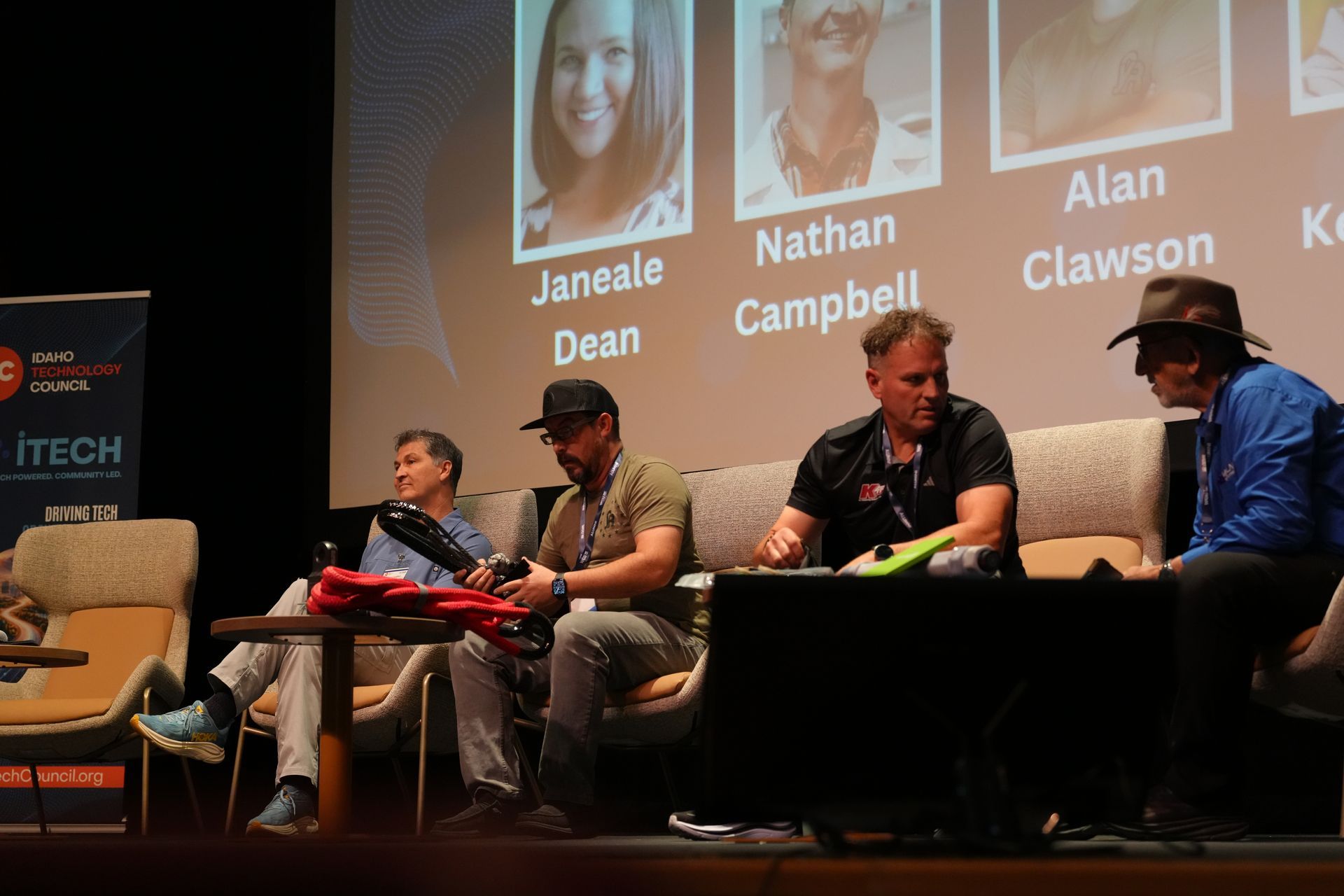
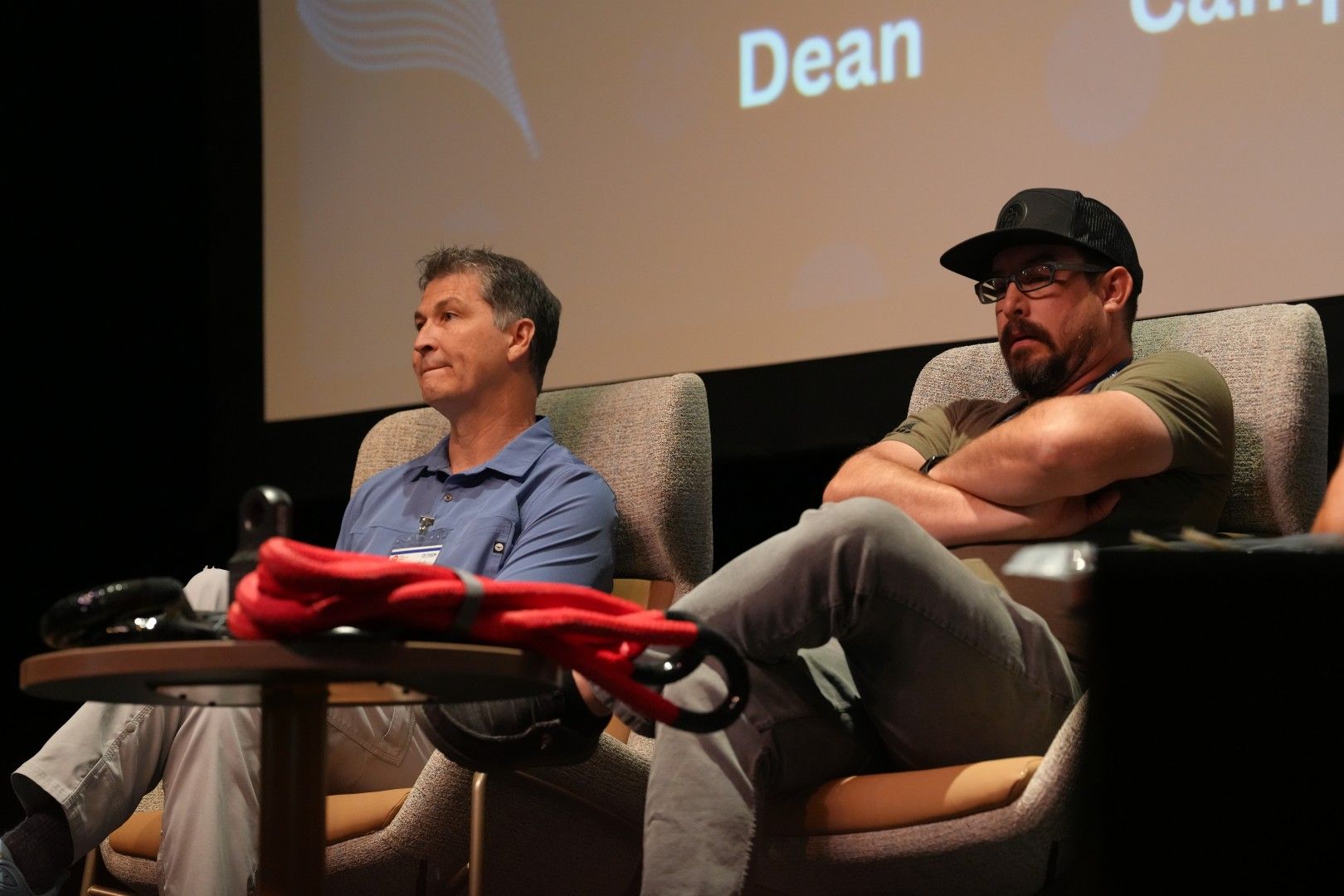
Moderated by Janeale Dean, this afternoon panel introduced the room to Idaho businesses building specialized products for niche markets with passion and precision: Nathan Campbell of GTSeek, Kody Ketterling of K-IT Products, Alan Clawson of Yankum Ropes, and Mark Melni of Melni Technologies. Each panelist shared what they are building, who they serve, and the particular Idaho stubbornness it takes to bring a niche idea all the way to market.
If the morning planted urgency around AI, Brad Frazer's afternoon session provided the honest reckoning about risk. His talk, "Ignore the Robot Behind the Curtain: The Legal Environment of AI," was as candid as it was useful — and it landed harder because of a moment of personal transparency.
Frazer admitted it plainly: he has used AI himself in building an application. He is not anti-AI. He is informed about it. And that distinction, he argued, is exactly the point. The risks around intellectual property, data governance, liability, and organizational trust are real — not hypothetical. The counsel he offered was not to avoid AI, but to be deeply intentional about where it is deployed and where it carries meaningful risk. Practical, specific, and devoid of hype in either direction, it was exactly the guidance a room full of business leaders needed to hear.
AI Readiness: From Awareness to Action
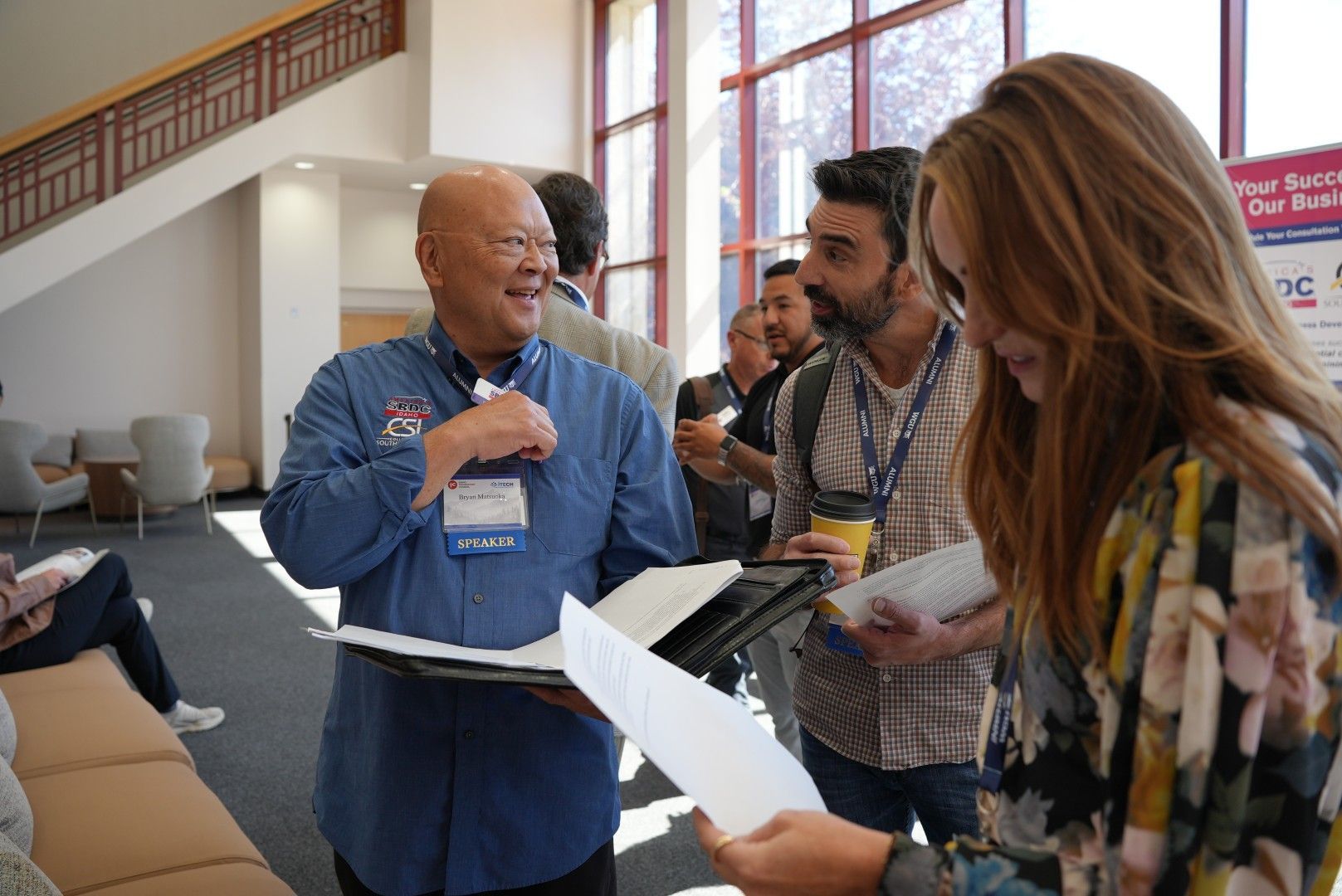
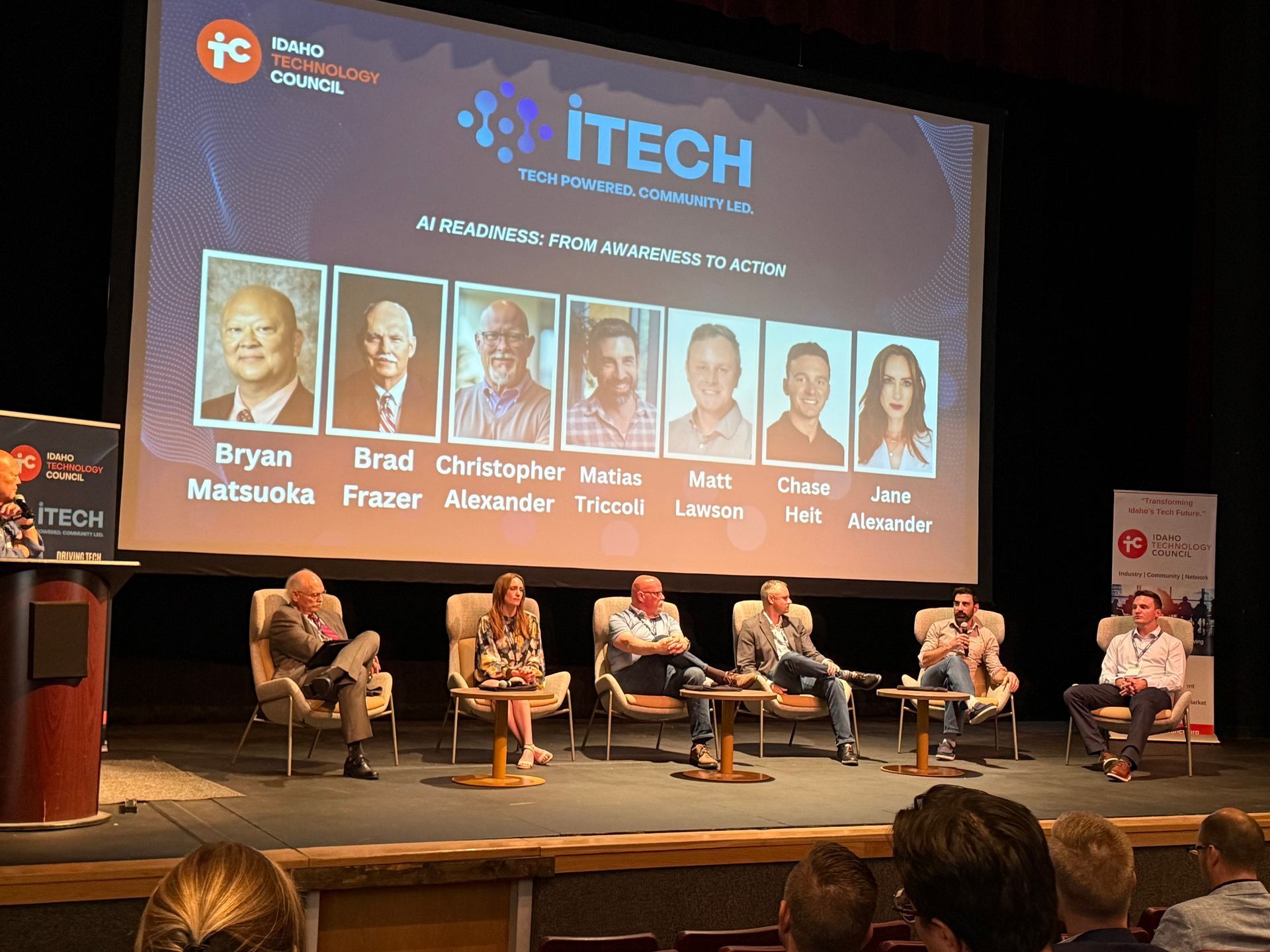
Panel lead Bryan Matsuoka of the Idaho Small Business Development Center assembled a diverse group of practitioners — Brad Frazer (Hawley Troxell), Christopher Alexander (Idaho AI Strategies), Matias Troccoli (GYBE), Matt Lawson (BlackBox Manufacturing), Chase Heit (ISBDC), and Jane Alexander (Emma Advisor) — to take the conversation from theory to implementation. Real-world applications, lessons from regional deployments, and the particular challenges of scaling AI tools inside smaller businesses gave this panel some of the most actionable moments of the day.
Connected Communities: Utilities, Broadband & Emerging Technology
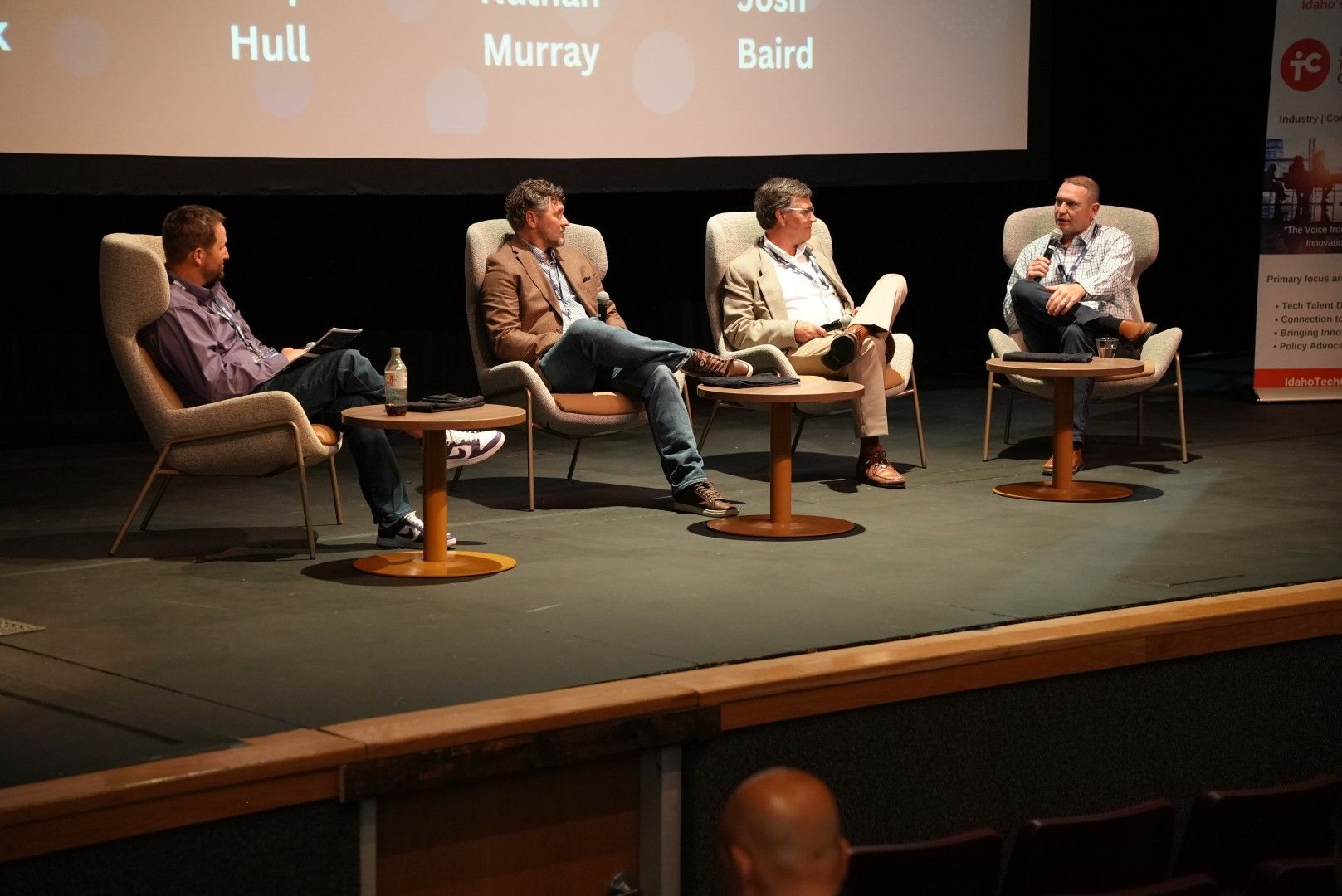
Moderated by Steven Cook of TrueLeap, this panel grounded the day's conversation in the infrastructure that makes everything else possible. Panelists Jose Alonzo (PMT), Nathan Miller (Idaho Power), Josh Baird (City of Twin Falls), and Chip Hull (Syringa Networks) offered a candid look at how southern Idaho communities are preparing for emerging technologies — and where the work of building that foundation still lies ahead.
The summit closed where every great entrepreneurial story does: with the human beings who built something, let it go, and chose to reinvest in the community around them. Robert and Mariann Griffith co-founded Homestyle Direct in 1997, scaling it to serve over 10,000 Medicaid recipients across 24 states before making the transition that required equal parts courage and clarity.
Today, as co-owners of the newly reimagined Turf Club — a Twin Falls landmark dating to 1946 — they are doing what they have always done: building something meaningful for the people around them. Their message to the entrepreneurs in the room, especially those who had pitched just hours before: follow your passion and protect your relationships. The businesses that last are not the ones that optimize everything — they are the ones built on trust, intentionality, and genuine care for the communities they serve.
The Griffiths remained on stage as the IDEA Squared competition winners were announced, giving the day's pitch competitors a fitting send-off from two people who know firsthand what it takes to build something from scratch in Idaho.
"iTECH Twin Falls exceeded expectations for the inaugural event in the Magic Valley with attendees reaching almost 150 in registrations. We have no doubt this event will continue to grow. The secret to the success of the event evolved around the support of local champions like the SBDC, CSI, Idaho Milk Products, Amalgamated Sugar, Desert Creative, First Federal Bank, ICCU, PMT, Syringa, and TrueLeap. A sincere thank you to ITC board members Jonathan Lord, Ismar Vallecillos, Cody Erben, and board chair Jessica Cafferty who supported the efforts to outreach to South Central Idaho."
— Diane Temple, President & CEO, Idaho Technology CouncilThis summit would not have been possible without the generosity and vision of the organizations who invested in bringing it to life. Special recognition to our primary sponsors:
Thank you to ICCU and Redox Bio Nutrients for generously funding the IDEA Squared cash prizes that rewarded the courage of our pitch competitors.
Local Champions
The inaugural iTECH Summit Magic Valley succeeded because of the people and organizations across South Central Idaho who opened doors, spread the word, and showed up.
And a sincere thank you to ITC board members Jonathan Lord, Ismar Vallecillos, and Cody Erben, and to ITC board chair Jessica Cafferty, whose commitment to South Central Idaho made this summit possible from the very start.
The iTECH Summit brand was built on a belief that technology leadership in Idaho should not be concentrated in one geography. The Magic Valley proved that belief correct. We will be back.