• Slide title

    Write your caption here
    Button
  • Slide title

    Write your caption here
    Button
  • Slide title

    Write your caption here
    Button
  • Slide title

    Write your caption here
    Button
  • Slide title

    Write your caption here
    Button
  • Slide title

    Write your caption here
    Button
  • Slide title

    Write your caption here
    Button
  • Slide title

    Write your caption here
    Button
  • Slide title

    Write your caption here
    Button
  • Slide title

    Write your caption here
    Button
  • Slide title

    Write your caption here
    Button
  • Slide title

    Write your caption here
    Button

Empowering Rural Entrepreneurs: ITC CEO, Diane Bevan, at Punchbowl News' Small Business Summit

May 13, 2025 Washington, D.C.


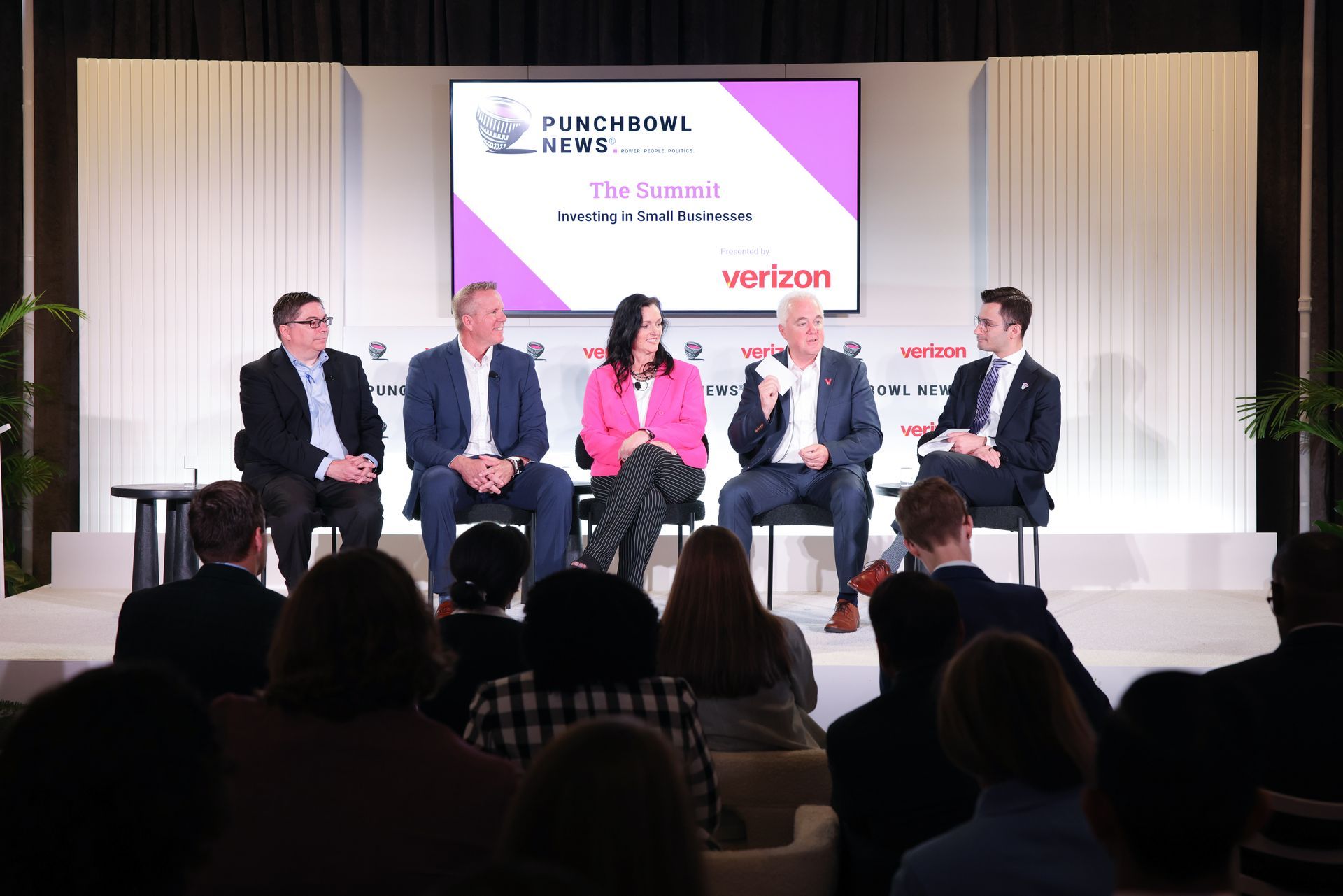
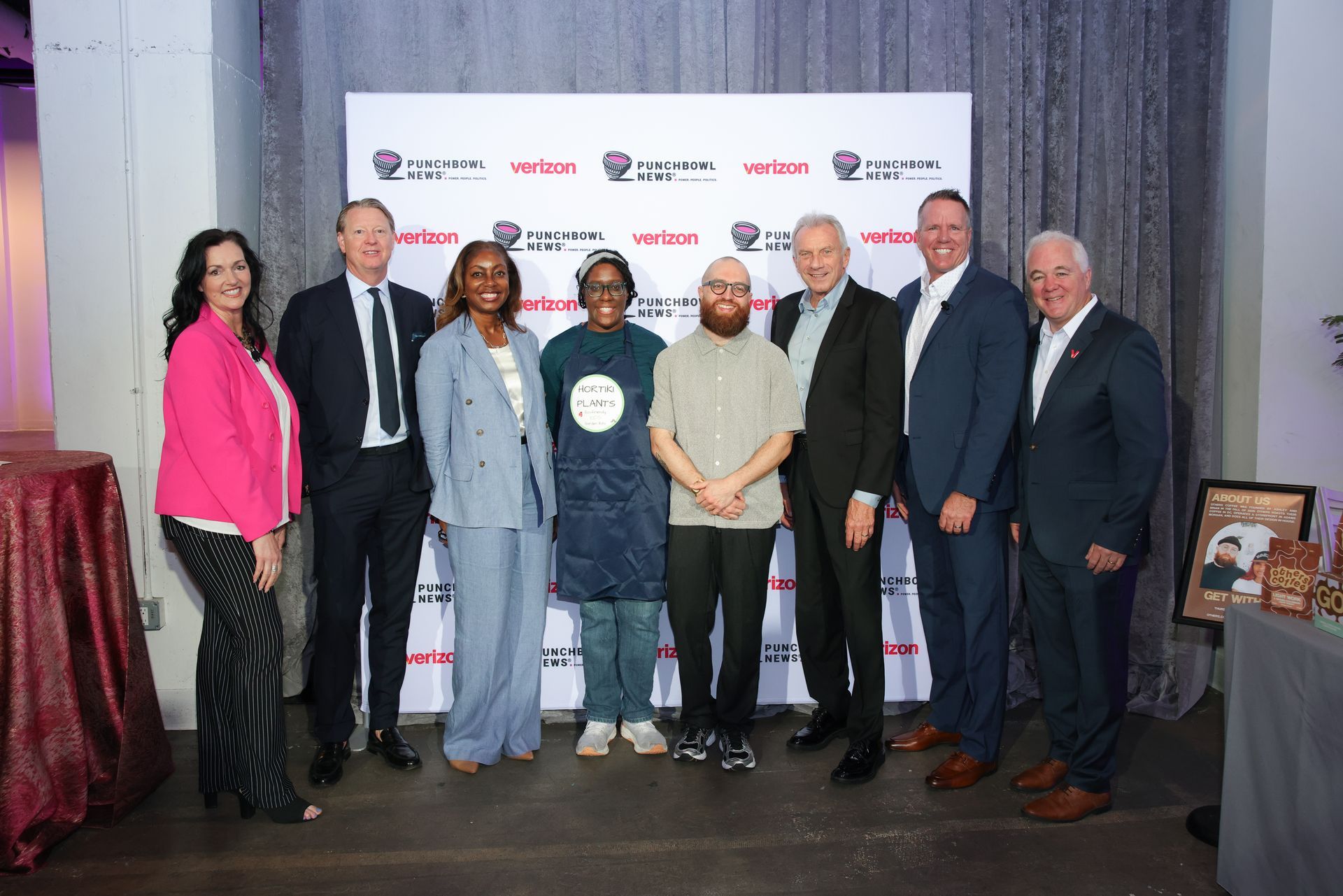
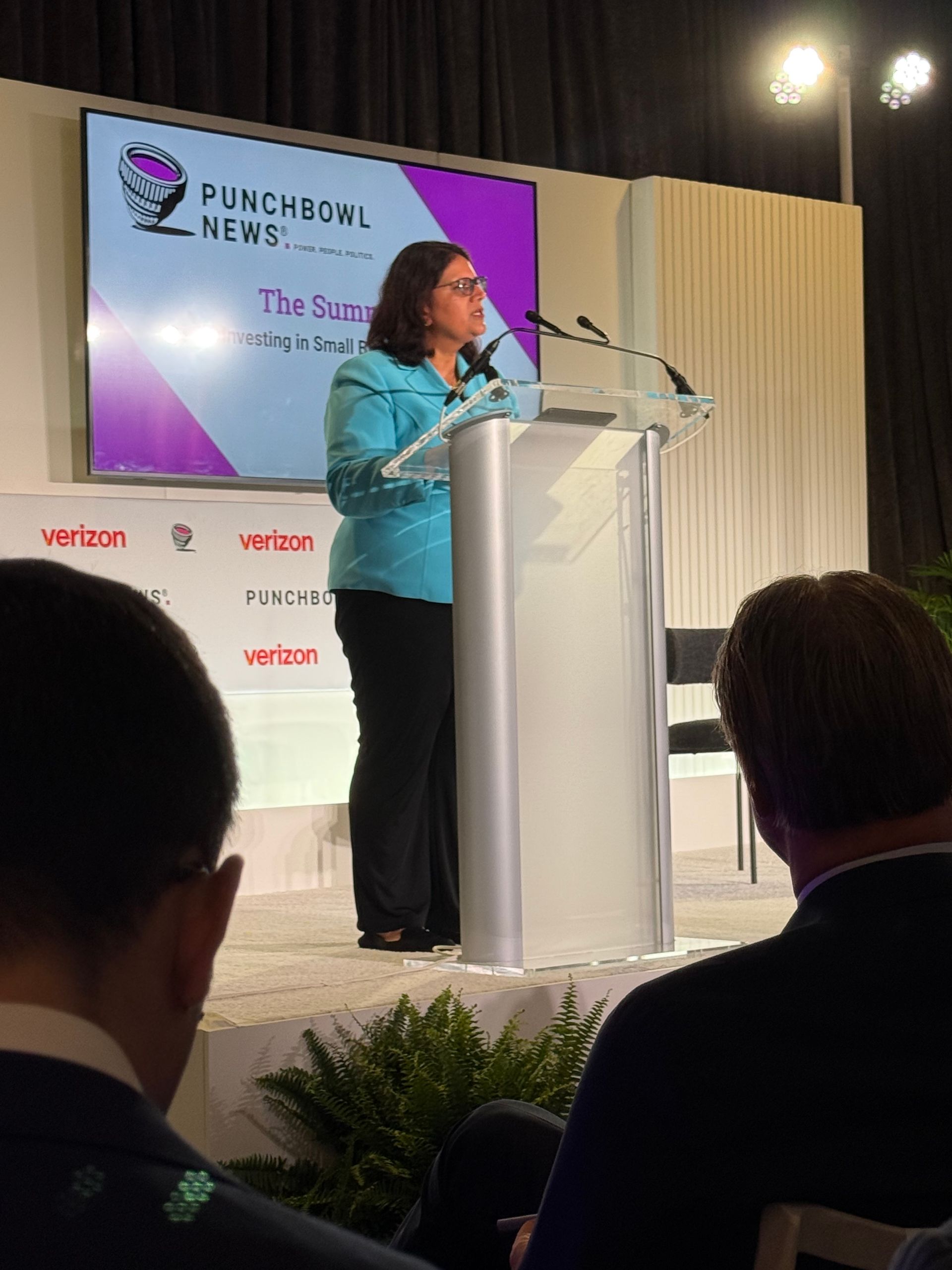
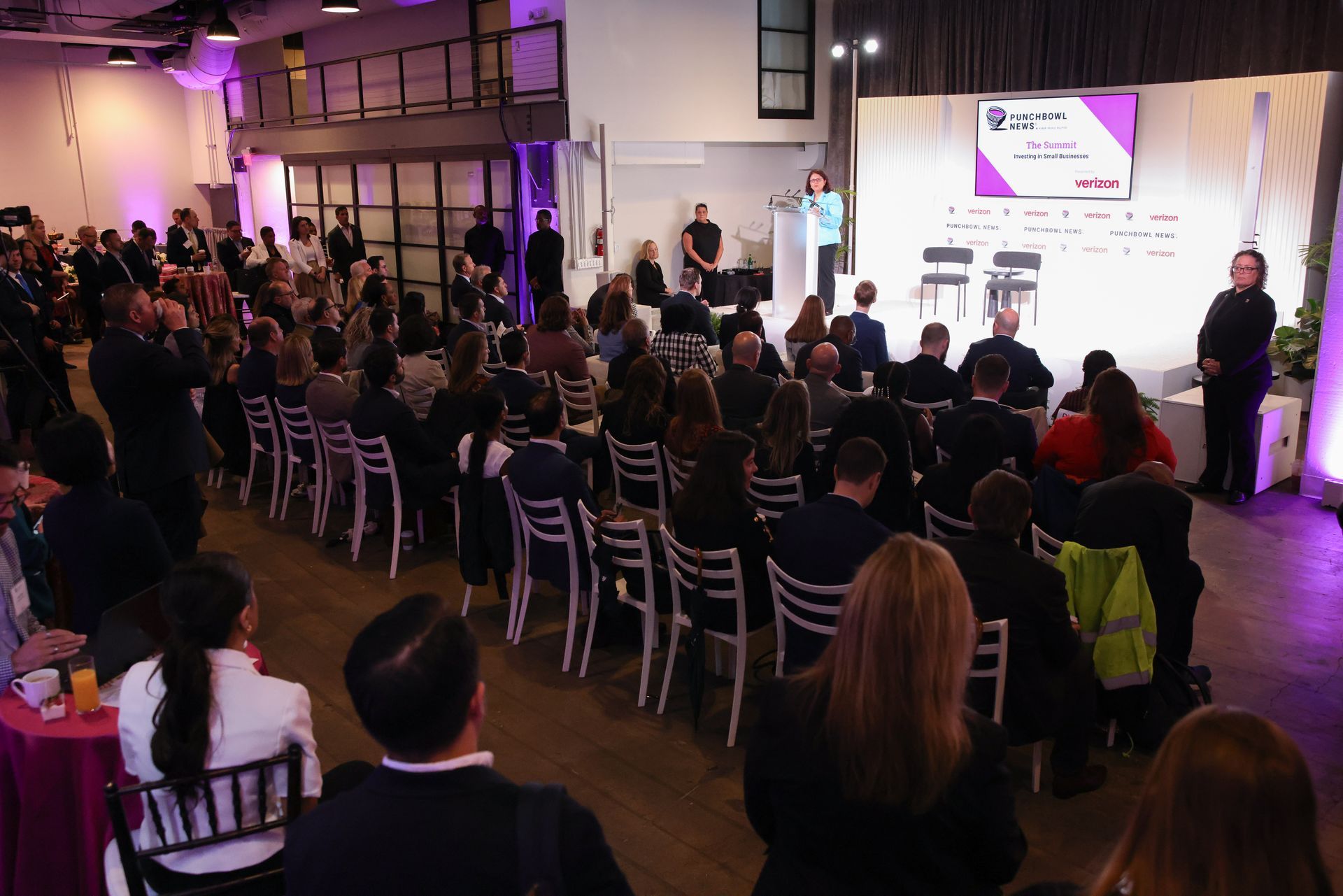
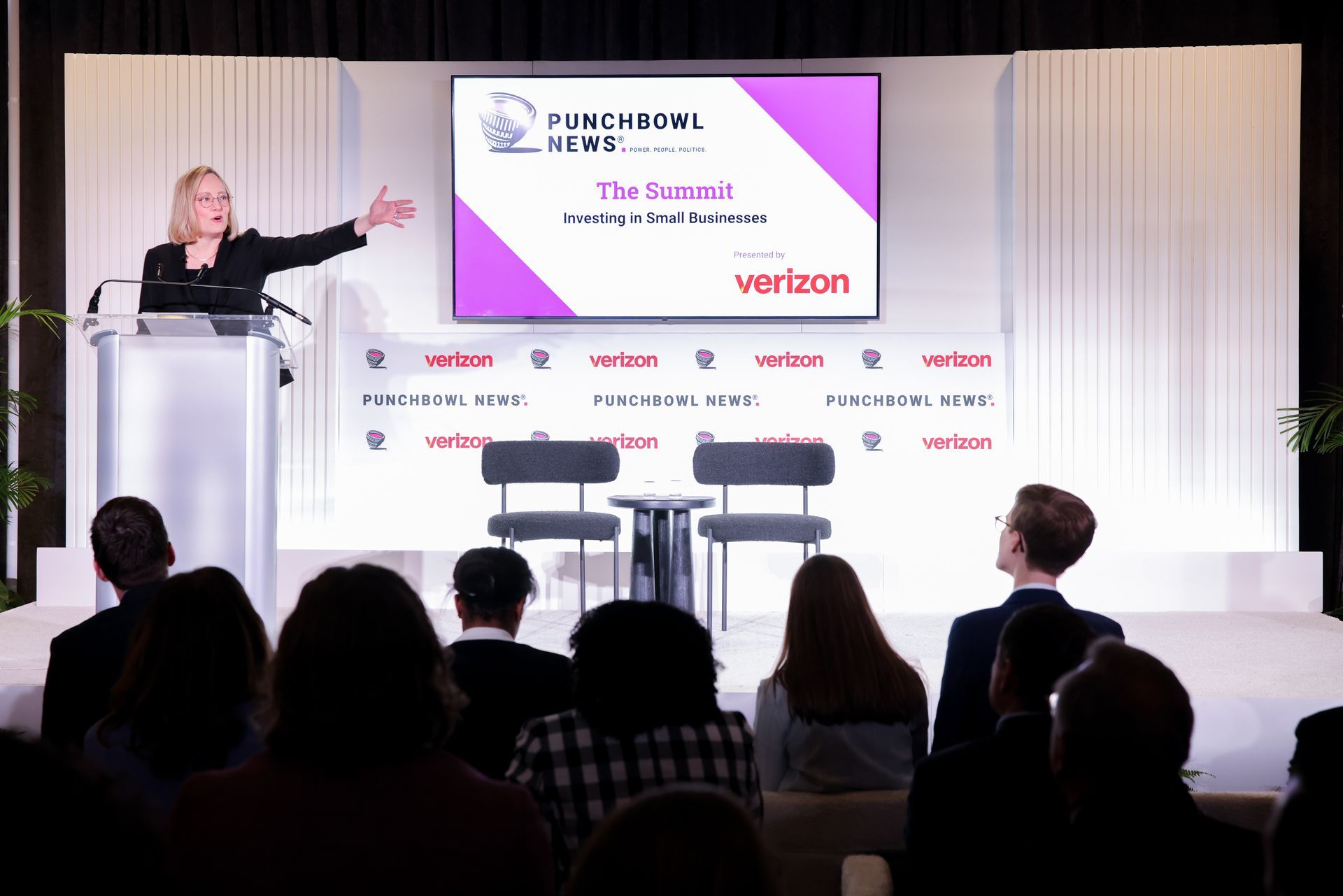
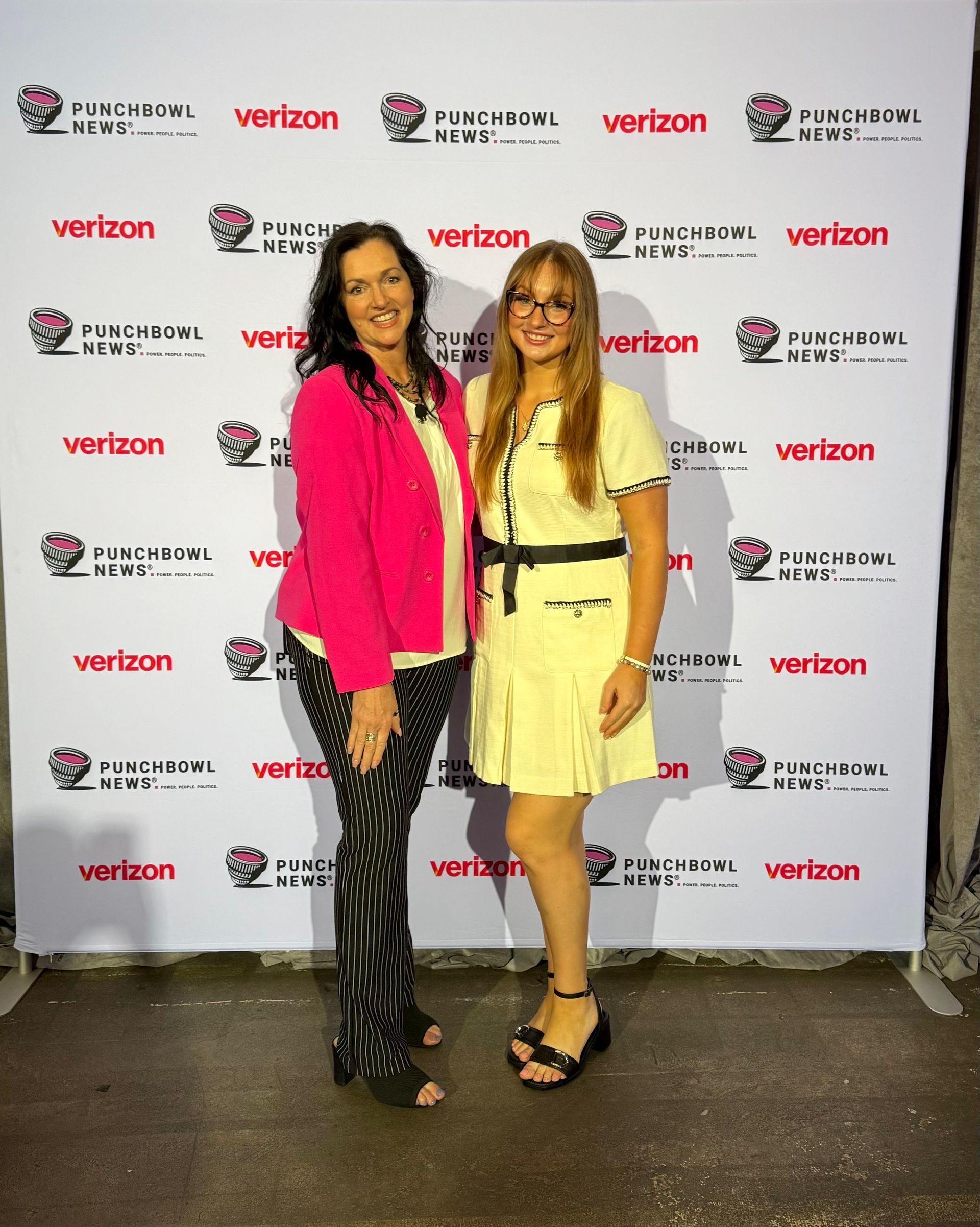
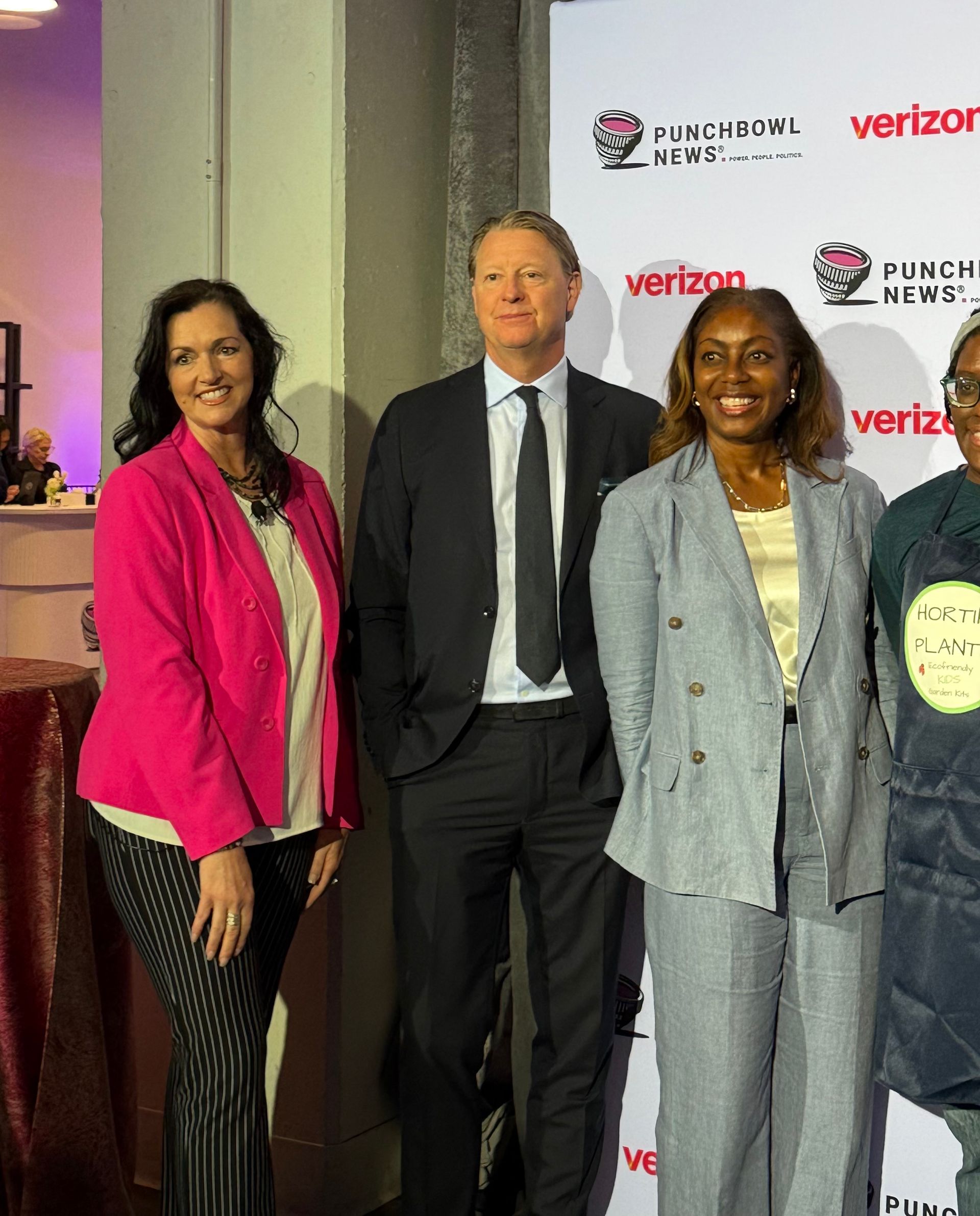
This morning, Washington, D.C. buzzed with energy as Punchbowl News hosted The Summit: Investing in Small Businesses, a dynamic event spotlighting the pivotal role of small enterprises in bolstering the U.S. economy. Among the distinguished speakers was Diane Bevan, President and CEO of the Idaho Technology Council, who delivered compelling insights on fostering entrepreneurship in rural communities.


Championing Rural Innovation

In a panel discussion moderated by Punchbowl News' senior congressional reporter Andrew Desiderio, Bevan emphasized the necessity of advocating for policies that nurture entrepreneurship beyond urban centers. Drawing from her extensive experience, she highlighted the unique challenges rural entrepreneurs face and the importance of tailored support systems to ensure their success.


The Verizon Digital Ready Advantage

Bevan also shed light on the transformative impact of Verizon's Small Business Digital Ready program. This free, online platform offers over 50 self-paced courses, one-on-one coaching, and networking opportunities, equipping small business owners with the tools and confidence needed to navigate the multifaceted world of entrepreneurship. Bevan noted how such resources are invaluable in leveling the playing field for rural businesses, enabling them to thrive in today's digital economy.


Engaging Conversations with Industry Leaders

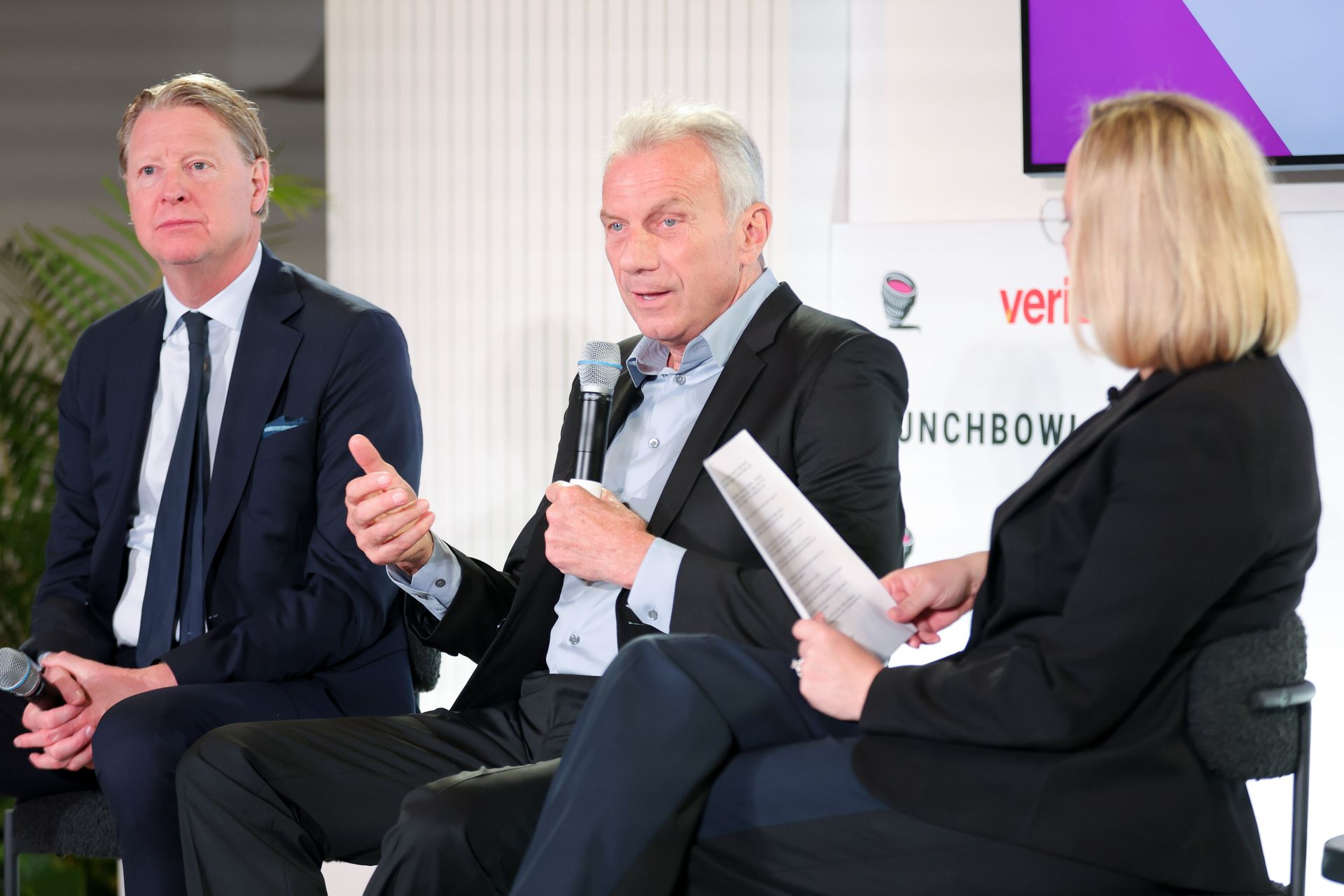
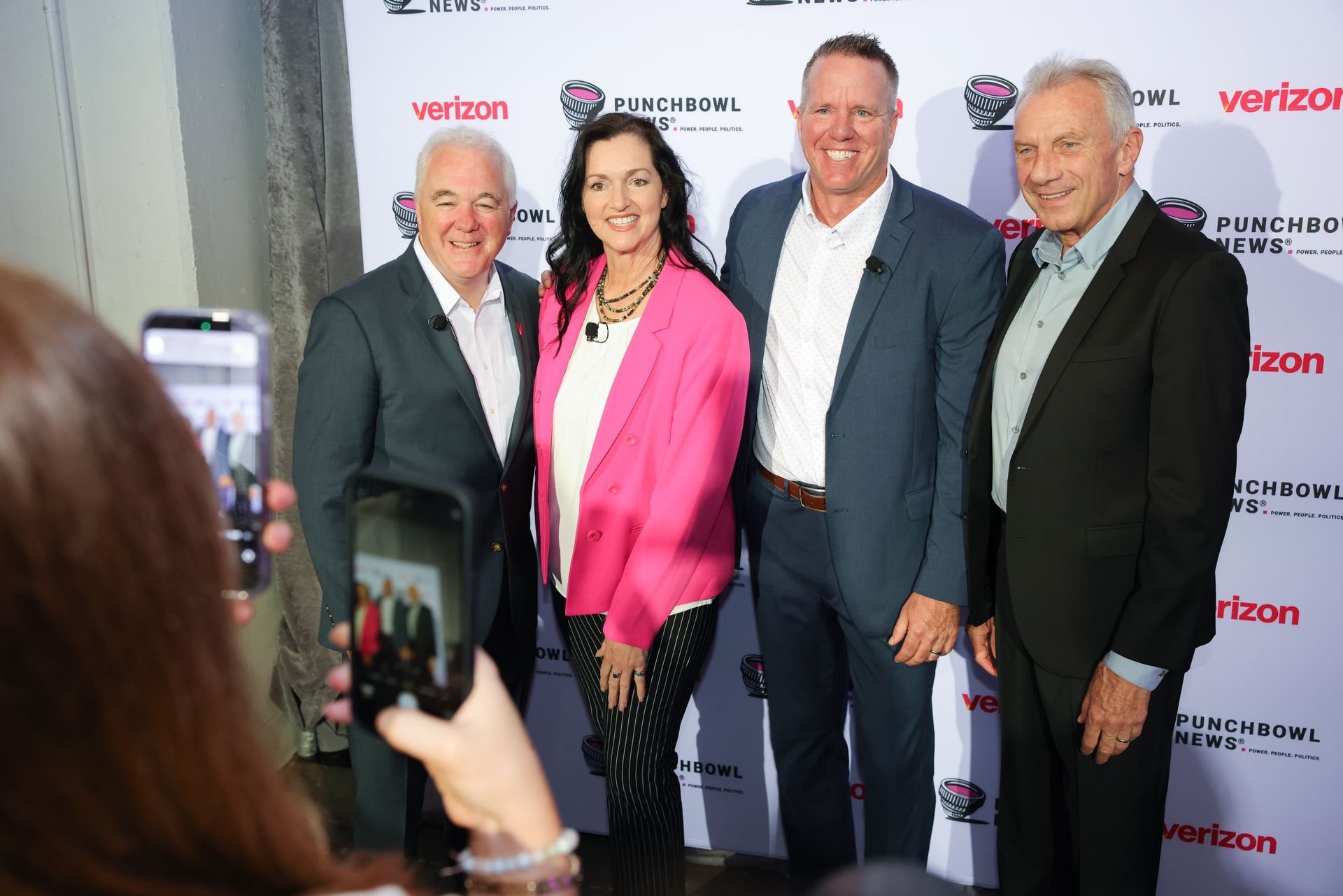
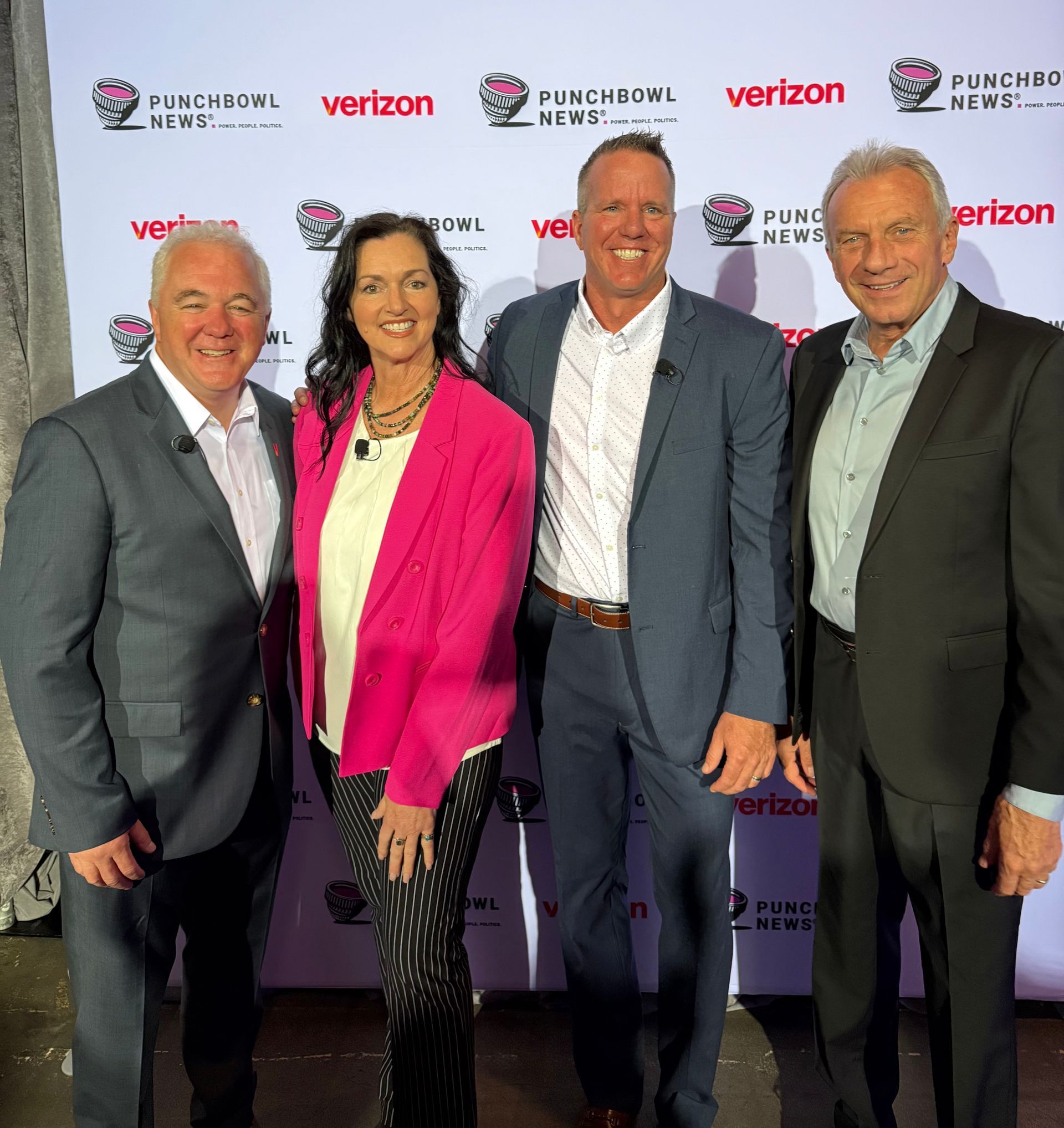
The Summit featured a series of enlightening sessions, including a one-on-one interview betweenHouse GOP Conference Chair Lisa McClain and Punchbowl News Founder and CEO Anna Palmer. A fireside chat followed, featuringVerizon Chair and CEO Hans Vestberg and Hall-of-Fame quarterback Joe Montana, now Managing Partner at Liquid 2 Ventures. Their discussion delved into the intersection of technology, investment, and small business growth. "You need to believe in what you're doing," Verizon's Vestberg says. "I think large companies like us need to take responsibility for their ecosystem." Joe Montana noted that his firm is currently investing in 900 small businesses. He reiiterate that relationships are the most important tool in running a successful business. Joe Montana says he learned to stay out of politics a long time ago."Just always want to be on the winning side," Montana said.


A Collaborative Effort for Economic Growth

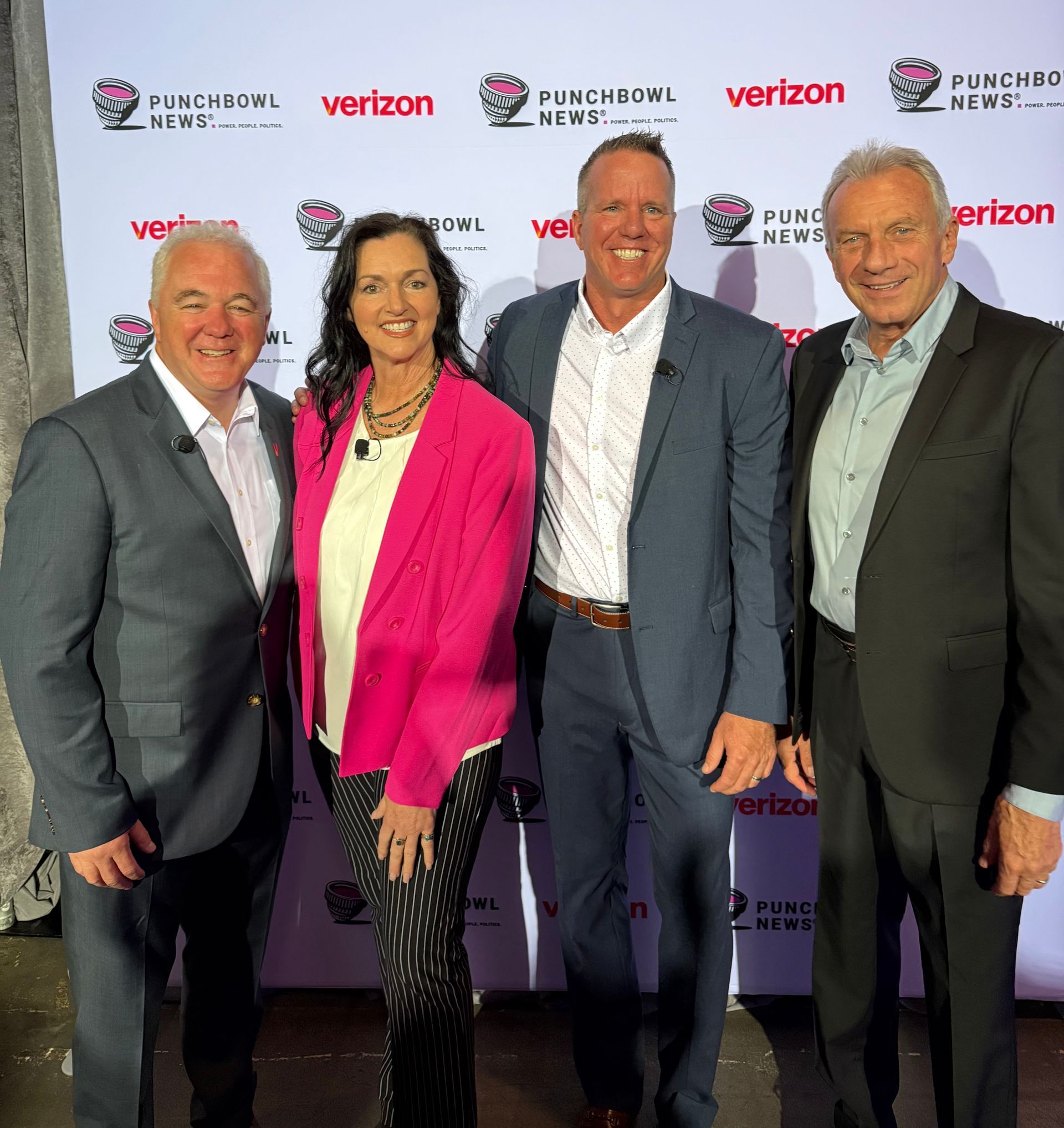
The event culminated in a panel that brought together diverse perspectives from industry and policy experts. Alongside Bevan, panelists includedJim Gowen, Senior Vice President of Global Sourcing and Supply Chain and Chief Sustainability Officer at Verizon; Tom Demarest, CEO of OKIN Process; and Michael O'Rielly, former FCC Commissioner and President of MPORielly Consulting, LLC. Their dialogue underscored the collective effort required to support and sustain small businesses across the nation.

Demarest shared how Verizon's Small Business Digital Ready platform made a huge impact on his businesses. O'Rielly shared the importance that policy plays in the success of America's small business owners. The panelists emphasized the importance of digital connectivity, consistent spectrum policy, resilient supply chain and relationships for small businesses.


Bevan's participation in The Summit not only highlighted the critical needs of rural entrepreneurs but also showcased the power of collaboration between public and private sectors in driving inclusive economic development. Her insights serve as a call to action for continued advocacy and support for small businesses, ensuring they remain a vibrant and integral part of America's economic landscape.


For more information on the event and its speakers, visitPunchbowl News Events.


About Idaho Technololgy Council

The Idaho Technology Council has a mission to build a strong tech community in Idaho by bringing people together, supporting tech education, and advocating for policies that promote sustainable growth. Together, we’re making Idaho a top destination for technology and innovation.

The Idaho Technology Council is a membership organization committed to increasing awareness of a thriving technology ecosystem statewide. We are dedicated to fostering an innovative tech community in Idaho by acting as a catalyst that brings together leaders, drives collaboration across all industries, and advocates for tech growth. As a nucleus of thought leaders, innovation, and tech advocacy, we empower government, industry, and reinvestment. Our mission is to position Idaho as a premier tech destination by attracting tech companies and talent, driving educational support and policy, convening tech leadership, and initiating conversations on emerging topics. 

by Tim Munkres • 12 November 2026
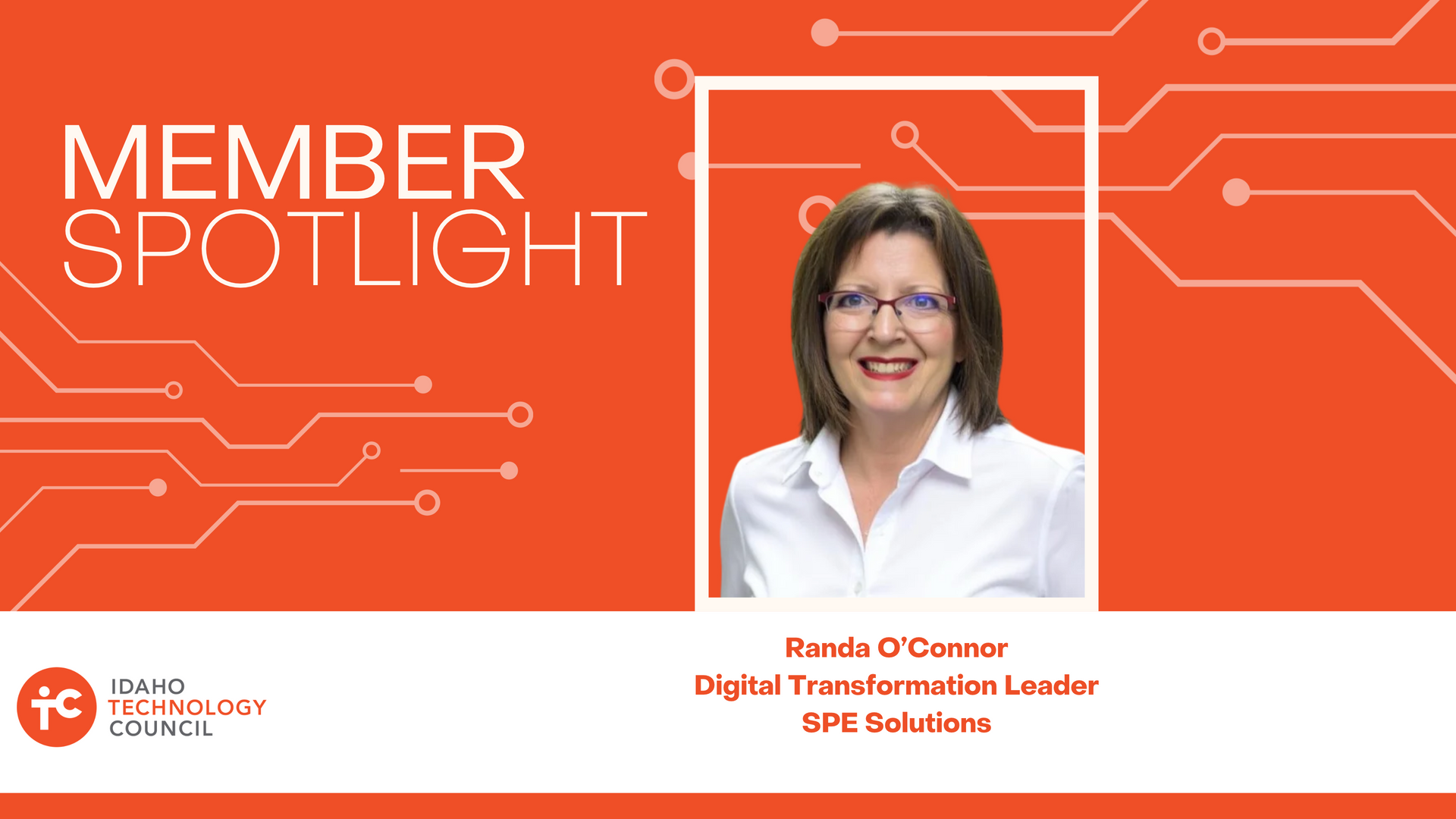
Introducing: Randa O'Connor, Digital Transformation Leader, SPE Solutions Describe the business/organization you work for: I'm an independent digital transformation advisor. I help organizations plan and deliver large enterprise software programs: Salesforce implementations, systems consolidations after mergers/acquisitions, and multi-year modernization roadmaps. Over more than a decade, I've led programs for Wells Fargo, Intel/McAfee, Intuit and Green Dot, working at Appirio, EPAM and Mphasis/Silverline. Most recently, I designed a $22M, five-year modernization program for a major Tribal Health organization in Alaska and directed its Rural Health Transformation Program (RHTP) grant application. What inspired you to start your own business, or why did you decide to work for this specific organization? Process improvement is part of who I am. In my first job out of college, I improved the process so much that within months I had eliminated my own position. Since then, I've liked being brought in when a program is new, complex, or not going well, and helping people turn a big goal into a plan they can actually deliver. Working independently lets me take on work where I can make a real difference, and it lets me stay hands-on. It also gives me time for something I care about: helping the next generation, especially young women, build the skills and confidence to succeed in technology. What sets this business apart from others in the industry? I've done this work at enterprise scale, but I still build things myself. I've built a platform that let a worldwide Salesforce rollout run testing in every time zone, an app that helps patients document their symptoms for their doctors, and, since moving to Boise, a real estate platform that automates everything from listing to 12 months after closing. I use AI tools to deliver faster. My focus is on the people doing the work, not just the technology. What challenges have you faced as a business owner or employee, and how did you overcome them? The hardest programs I've led were over budget, off track, or so large that the usual tools failed. At Wells Fargo, I led a $7M+ program to consolidate six lines of business, brought together through acquisitions and reorganization, onto a single Salesforce platform. The plan was to run user acceptance testing in spreadsheets, which wouldn't work at that scale. I pushed for a better approach and set up a shared tracking platform, so testing kept pace across every line of business. My takeaway: when a program is struggling, the answer is usually clear governance, honest visibility into risk, and fixing the process before adding more effort. What advice would you give to someone looking to join your industry? Learn the business, not just the technology. The most valuable people in digital transformation can explain why a change matters to the people it affects. Beyond that, when I present my curriculum, "STEM – The RKO Way: Outpace the Competition," my main message is that STEM is a muscle anyone can build with practice and repetition. That applies whether you're in high school, in college, or starting your first job. My advice follows the four letters: S = Smart Speed: Find your voice, communicate early and often, and speak about what you know. T = Trust: Build trust in yourself so others will trust you. E = Establish: Build good habits now, from managing your calendar to writing clearly and listening to understand. M = Me/My: Know your strengths and describe them with confidence, find a mentor, and build your network early. I'm passionate about helping women and girls build these skills to advance in technology careers. Start now, start small, and keep practicing. Communities like the Idaho Technology Council are a great place to begin. About the Idaho Technology Council The Idaho Technology Council (ITC) is a member-based organization that champions innovation and collaboration to grow Idaho’s economy through technology. Representing a dynamic and growing community of entrepreneurs, industry leaders, and policymakers, ITC connects vision with action to position Idaho as a hub for innovation and opportunity. Learn more at www.idahotechcouncil.org . Connect with Randa O'Connor on LinkedIn HERE
22 October 2026
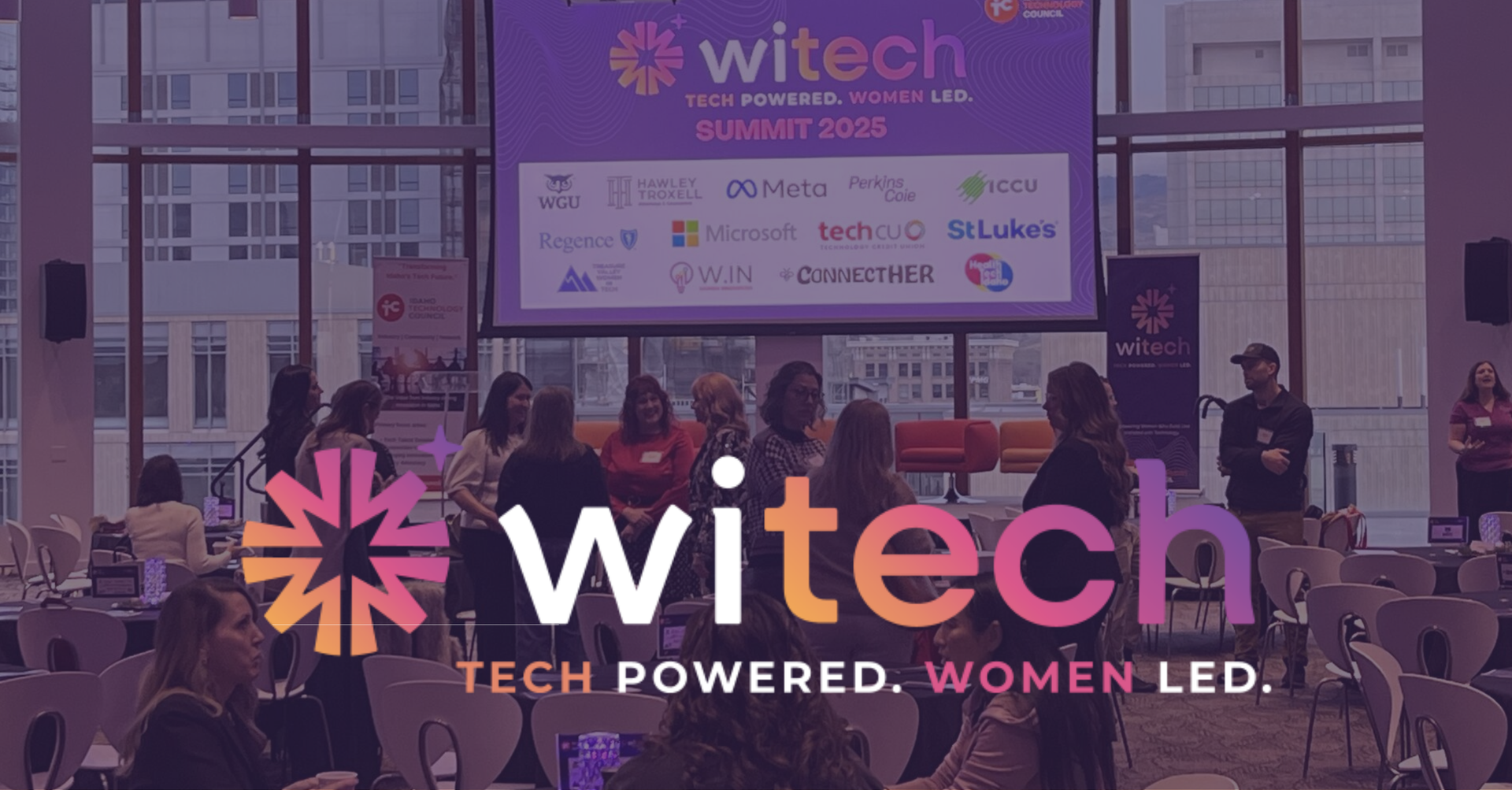
The full-day summit brings together women across Idaho’s technology sector, from engineers and founders to executives, investors, and educators, for a day of keynotes, panels, and breakout sessions.